
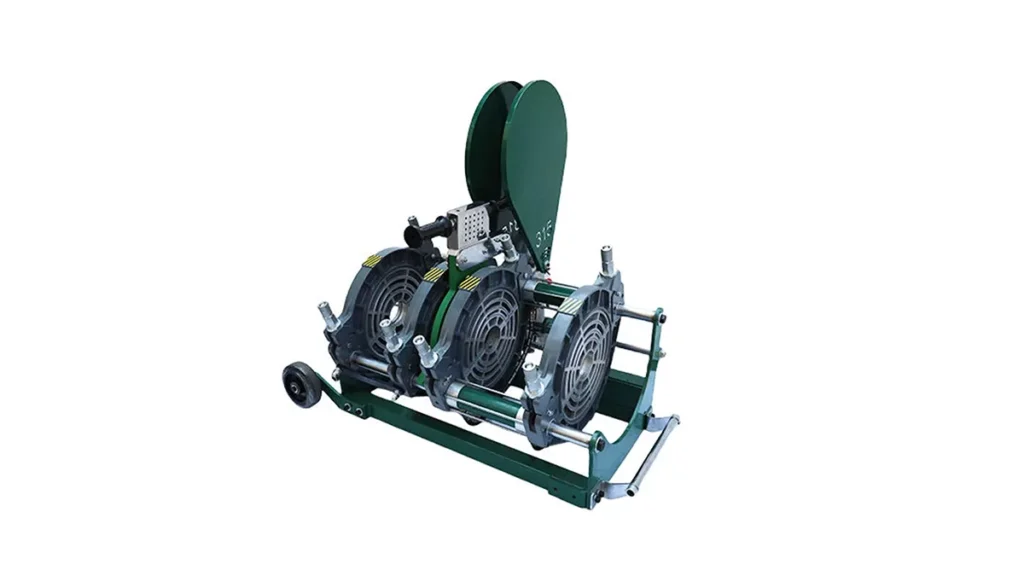
When a pipeline project is built on a tight budget, welding cost control becomes just as important as welding quality. In large-scale water, gas, mining, and industrial pipeline installations, expenses can rise quickly through labor, rework, downtime, equipment maintenance, and material waste. The good news is that many of these costs can be reduced without sacrificing joint strength or long-term reliability. By choosing the right welding method, improving site planning, training operators properly, and using dependable equipment from a trusted manufacturer like butt fusion machine specialists, contractors can keep projects efficient and profitable.
Welding costs are not only about the machine price. They include the full lifecycle of the operation: preparation, setup, energy consumption, consumables, labor hours, inspection, and possible repairs. In pipeline projects, even a small reduction in welding time per joint can lead to major savings across hundreds or thousands of connections. That is why cost reduction should be planned from the beginning, not treated as a problem to solve at the end.
1. Start With the Right Welding Method
The first step in reducing welding costs is selecting the correct welding process for the project. For thermoplastic pipeline systems, butt fusion is often one of the most efficient and economical solutions because it creates a strong, leak-resistant joint with minimal consumable usage. Compared with methods that require extra fittings or repeated repairs, butt fusion can significantly lower overall material and labor expenses.
Tip: Choose welding technology based on pipe diameter, material type, project scale, and site conditions. The cheapest machine is not always the lowest-cost option if it causes frequent rework.
For many projects, a reliable hydraulic or CNC automatic butt fusion welding machine can reduce operator error and improve repeatability. If the project involves a wide range of pipe sizes or strict quality requirements, investing in more stable equipment often pays back through fewer failed welds and less downtime.
2. Reduce Rework by Improving Joint Quality
Rework is one of the most expensive hidden costs in pipeline welding. Every failed weld consumes time, labor, energy, and sometimes even pipe sections or fittings that cannot be reused. The best way to control this cost is to ensure each joint is completed correctly the first time.
That means paying attention to pipe cleaning, alignment, heating plate temperature, pressure control, and cooling time. A strong welding process depends on consistent operating conditions. If temperature fluctuates or clamp alignment is poor, the joint quality may suffer even if the operator is experienced.
Cost-saving focus: stable temperature accuracy and hydraulic pressure stability are critical because they directly reduce rejected welds and repeat work.
Reliable equipment from experienced manufacturers helps create a repeatable process. JQ-Fusion, for example, focuses on stable performance and strict quality control, which supports consistent welding results in demanding pipeline environments.
3. Invest in Proper Operator Training
Even the best machine cannot reduce costs if the operator is not well trained. Skilled operators work faster, make fewer mistakes, and maintain better control over each stage of the fusion process. Training should cover machine setup, pipe preparation, parameter selection, defect recognition, and safe shutdown procedures.
In many projects, labor costs rise because workers rely on trial and error. That leads to slow production and inconsistent weld quality. A structured training program reduces these inefficiencies and helps the team perform at a higher standard from the start.
Training also improves safety. Fewer accidents mean fewer delays, lower compensation risks, and more stable project timelines. For contractors working across multiple regions, having a trained team is one of the easiest ways to protect profit margins.
4. Use the Right Equipment Size and Configuration
Oversized equipment can add unnecessary cost, while undersized equipment can slow production and create quality issues. The ideal solution is a welding machine that matches the project’s pipe diameter range and workload requirements.
For small jobs, manual or compact hydraulic models may be sufficient. For large or repetitive projects, automatic systems may save more money in the long run by reducing labor dependence and speeding up cycles. The key is to match the machine to the real application rather than buying based only on specifications or initial price.
Smart purchasing choice: a properly sized machine lowers energy waste, reduces handling effort, and improves work efficiency across the entire project.
Flexible OEM and ODM customization can also help contractors control cost. When machine voltage, clamp design, color, branding, and functional features are tailored to the project, the equipment becomes more practical and efficient in the field.
5. Plan Materials and Workflow Carefully
Welding cost reduction is not only a workshop issue. Site logistics have a direct effect on total expenses. Poor material planning causes idle workers, transportation delays, and repeated handling of pipes and fittings. A well-organized workflow keeps the fusion team moving smoothly and prevents unnecessary downtime.
Before welding begins, the project team should confirm pipe delivery, arrange storage, prepare the work area, and review the daily production schedule. Pipes should be protected from contamination and positioned for efficient handling. When crews do not waste time searching for tools or moving materials repeatedly, the cost per joint drops naturally.
Project managers can also reduce losses by grouping welding tasks according to pipe size and route section. This helps crews maintain a steady rhythm and avoid frequent machine resets.
6. Prevent Downtime Through Maintenance
Unexpected machine failure can create expensive delays, especially on remote pipeline projects where replacement equipment may not be available immediately. Routine maintenance is one of the simplest ways to protect against this risk.
Maintenance should include checking heating plate performance, hydraulic system stability, clamp condition, electrical connections, and moving parts. Regular inspection keeps the machine in optimal condition and extends service life. It also prevents small problems from becoming major repair costs.
JQ-Fusion’s focus on durable construction and long service life reflects the importance of reliability in real project environments. A machine that runs consistently helps reduce emergency repairs and improves overall project economics.
7. Control Energy and Consumable Usage
Although energy and consumables may seem like minor expenses, they can add up across long pipeline installations. Efficient welding equipment uses power more effectively and minimizes wasted heating cycles. Proper machine settings also reduce the risk of overheating, which can damage pipe ends and increase scrap rates.
Consumable control is equally important. Even in processes with limited consumable use, teams should avoid unnecessary waste from poor storage, damaged accessories, or repeated replacement caused by rough handling. A disciplined workflow helps preserve every resource on site.
When high efficiency is combined with good operational habits, contractors can lower running costs while keeping output stable.
8. Work With a Manufacturer That Supports the Whole Project
Choosing a welding machine supplier is more than a purchase decision; it is a long-term project strategy. A manufacturer with strong technical support, fast logistics, and customization ability can help contractors reduce risk and improve productivity. This is especially valuable when projects are large, urgent, or spread across multiple locations.
JQ-Fusion provides a wide product range, including hydraulic butt fusion welding machines, automatic butt fusion welding machines, electrofusion welding machines, and multi-angle pipe fitting welding machines. With over 20 years of industry experience, the company supports global pipeline projects with stable stock supply, professional guidance, and customizable solutions.
Reliable support is part of cost control because it prevents delays in machine selection, installation, and after-sales troubleshooting. For contractors, that means fewer interruptions and a more predictable project budget.
9. Improve Quality Control at Every Stage
Quality control should not begin only after welding is finished. It should be built into every stage of the process. From pipe inspection and surface preparation to final joint checking, each step influences the result and the cost.
Inspections should confirm that the pipe ends are clean, the machine settings are correct, and the weld meets the required standards. When problems are caught early, the team can correct them before they turn into expensive failures.
Important: strict quality assurance is not a cost increase; it is a cost protection tool because it reduces defects, callbacks, and warranty claims.
Manufacturers that test temperature accuracy, hydraulic stability, and clamp alignment provide a stronger foundation for this process. That is one reason certified and well-tested equipment is often the more economical option over time.
10. Use Digital and Automated Features to Save Labor
Automation can lower labor costs by simplifying repetitive tasks and reducing dependence on manual judgment. In large pipeline projects, even small time savings per weld can create major budget benefits. Automatic controls improve consistency and allow workers to focus on preparation, positioning, and safety instead of adjusting every step by hand.
Digital monitoring also helps managers track productivity and identify inefficiencies. When data is available, teams can compare cycle times, detect bottlenecks, and improve planning for future sections of the project.
For contractors handling long-distance pipeline installations, automation is often one of the fastest paths to better cost control and improved project speed.
Common Questions
Q1: Is butt fusion always cheaper than other welding methods?
It depends on the project, but for many thermoplastic pipeline applications, butt fusion is highly cost-effective because it reduces consumables, supports strong joints, and minimizes rework.
Q2: What is the biggest hidden welding cost in pipeline projects?
Rework is often the biggest hidden cost because it wastes labor, time, power, and sometimes materials while also delaying the project schedule.
Q3: How can I reduce welding costs without lowering quality?
Use the right machine, train operators, maintain equipment regularly, control workflow, and apply strict quality checks at every stage.
Q4: Why is equipment customization useful for cost reduction?
Customization makes the machine better suited to the exact project requirements, which improves efficiency, reduces waste, and avoids paying for unnecessary features.
Q5: How does supplier support affect project cost?
Fast technical support, stable supply, and reliable logistics help prevent downtime, installation errors, and schedule delays, all of which protect the budget.
Reducing welding costs in pipeline projects is not about cutting corners. It is about building a smarter process that combines the right equipment, trained personnel, consistent quality, and efficient project planning. When every stage is optimized, contractors can deliver strong welds, stay on schedule, and keep budgets under control. That is the practical path to better performance and long-term success.



