

Electrofusion welding is a cornerstone of modern plastic pipeline installation. This article explores how an electrofusion machine factory delivers reliable equipment for HDPE pipe welding and fittings, helping contractors, utility companies, and installers achieve leak-free, long-lasting joints across water, gas, and industrial networks.
Overview: Why Electrofusion Machines Matter
Electrofusion machines control heat and current to create high-integrity joints in polyethylene (PE) fittings and couplers. Unlike manual techniques, professional electrofusion equipment ensures consistent energy delivery, traceable weld parameters, and repeatable results on pipes from small service lines to large distribution mains. For project managers prioritizing safety and longevity, the right machine is essential.
Manufacturing Excellence and Quality Control
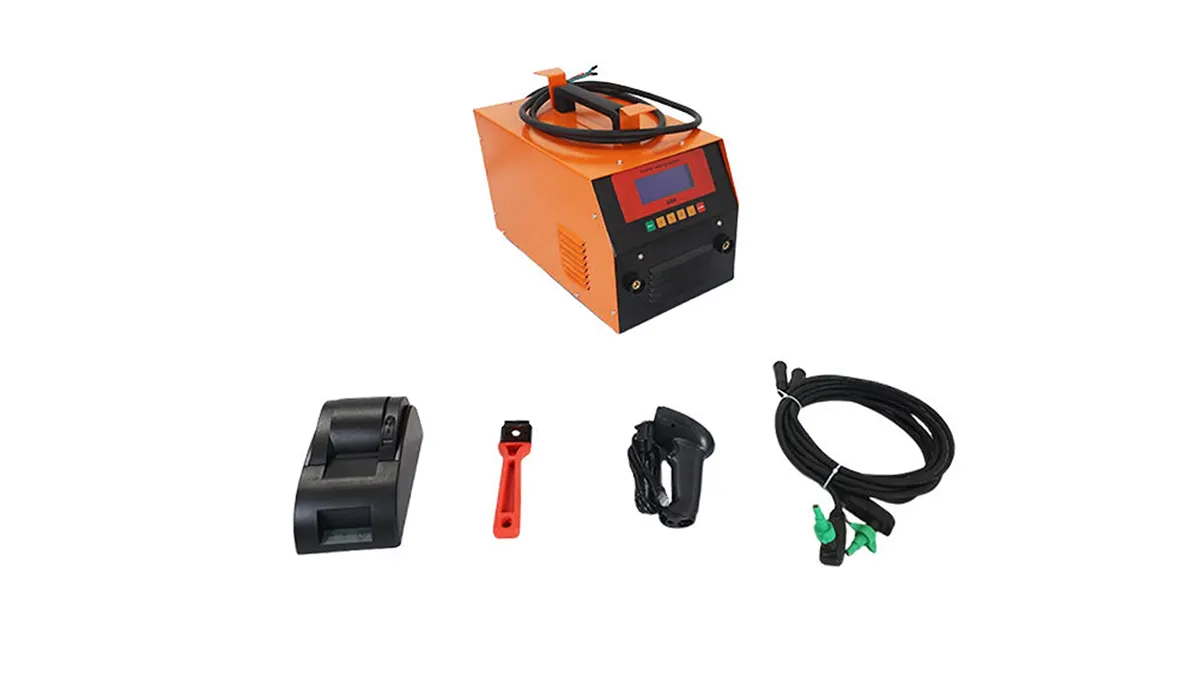
Top electrofusion factories combine robust mechanical design with precise electronic control. Critical production controls include calibrated power modules, insulated clamps, and intuitive user interfaces. Consistent assembly and final inspection routines reduce variation and help installers meet regulatory standards and pressure-testing requirements.
Key Features to Look For
Reliable current control and programmable weld recipes are core features. Other practical capabilities include built-in barcode readers for coil/fitting traceability, LCD displays with clear status feedback, rugged housings for field use, and battery-backed operation for remote sites. These features translate to fewer weld failures and faster site throughput.
Quick Comparison: Typical Electrofusion Models
| Model | Pipe Range | Power | Highlight |
|---|---|---|---|
| MF-160 | 20–160 mm | AC/Battery | Portable, barcode read |
| PRO-500 | 160–500 mm | High-power AC | Industrial duty, multi-profiles |
| XL-1000 | 500–1000 mm | Three-phase | Large diameter mains |
Applications Across Industries
Electrofusion systems are widely used in municipal water mains, natural gas distribution, mining operations, and industrial fluid systems. Installers in colder climates benefit from machines with pre-heat stages and enhanced insulation controls, while contractors in fast-developing urban areas value models with rapid cycle times and weld logging for compliance.
Buying Guide: Choose the Right Machine
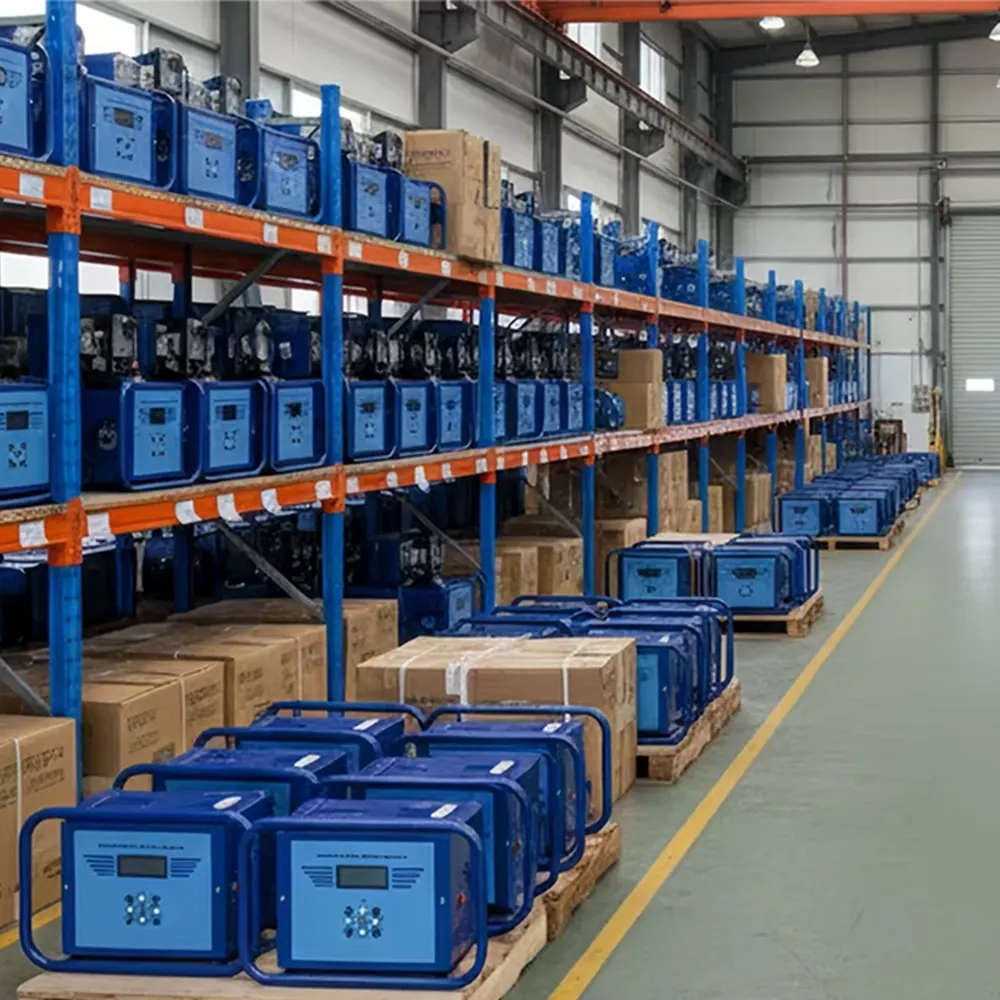
When selecting equipment, evaluate the typical pipe diameters on your projects, the need for on-site portability, and whether weld traceability is required by your clients or regulators. Warranty coverage, spare parts availability, and local technical support are also critical to minimize downtime.
Maintenance and Best Practices
Routine checks keep electrofusion machines performing reliably. Inspect clamps and connectors for wear, verify calibration of current sensors, and update firmware when manufacturers release improvements. Proper storage of welding coils and fittings—away from UV and extreme heat—preserves joint quality.
Service, Support and Factory Capabilities
Look for a manufacturer with transparent testing records, clear documentation, and responsive after-sales service. A strong electrofusion factory provides training materials, firmware updates, and spare part kits that make field maintenance straightforward. For further details and product options, visit JQ-Fusion.
Advantages of Investing in Quality Equipment
High-quality electrofusion machines reduce rework, lower lifecycle costs, and improve system reliability. For owners of critical infrastructure, these benefits translate to fewer service interruptions and stronger long-term asset performance.
Summary: Choosing the right electrofusion machine from a capable factory delivers measurable advantages in safety, compliance, and operational efficiency for plastic pipe welding and fittings. Prioritize proven weld control, traceability, and local support to get the best return on your equipment investment.


