
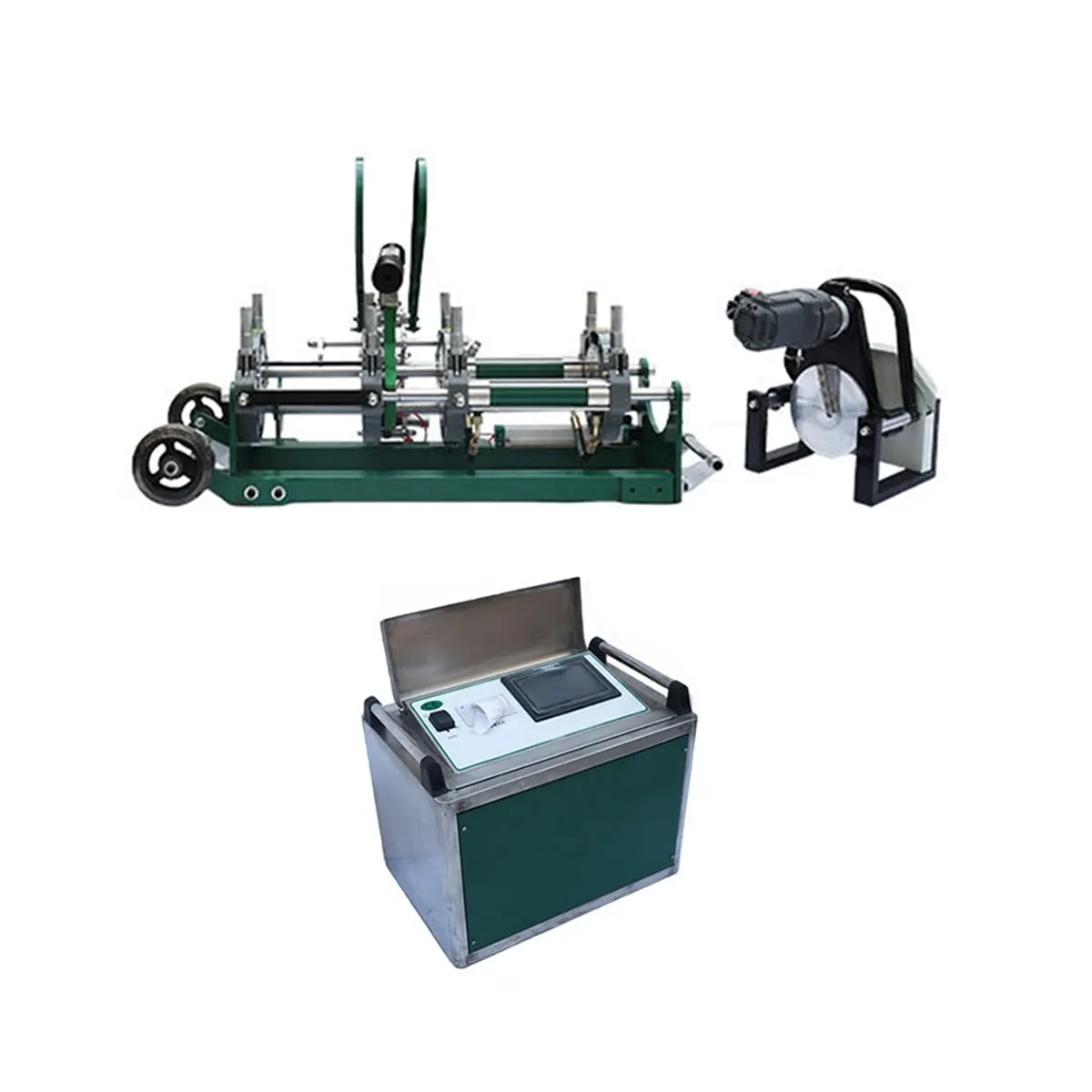
Proper maintenance and timely repairs of pipe welding machines are essential to ensure consistent weld quality, extend equipment life, and reduce downtime on the jobsite. This guide covers practical maintenance tips, common repair steps, and a clear schedule you can follow to get better performance from your butt fusion, electrofusion, or hydraulic pipe welding equipment.
Why Regular Maintenance Pays Off
Well-maintained welding machines deliver reliable fusion results, lower total cost of ownership, and improve safety. Regular upkeep prevents small issues—like worn heaters or contaminated plates—from becoming major failures that stop projects for days.

Daily Pre-Start Checklist
Before powering up, run a quick checklist to catch immediate problems:
- Visual inspection: Check frame, clamps, and moving parts for damage or loose fasteners.
- Electrical check: Confirm power cables and connectors have no cuts or exposed wires.
- Heating plate: Ensure the plate is clean and free of melt debris; check thermocouple reads within tolerance.
- Hydraulics (if applicable): Inspect fluid level and look for leaks at fittings and hoses.
- Controls & display: Test buttons, emergency stop, and display messages.
Quick tip
Keep a small lint-free cloth and a non-abrasive cleaning fluid in the toolbox to wipe surfaces between shifts. Clean tools produce consistent welds.
Weekly Preventive Tasks
Spend 30–60 minutes each week on preventive care to avoid compounding issues:
- Grease slide rails, lead screws, and pivot points with recommended lubricant.
- Clean heater surfaces with a plastic scraper—never metal—and an approved solvent.
- Tighten visible bolts and re-torque clamps according to the manual.
- Check battery backup (if present) and replace if voltage drops below recommended levels.
Monthly Inspection & Calibration
Monthly checks ensure machine accuracy and consistent weld parameters:
- Verify thermocouple and sensor calibration against a reference thermometer.
- Inspect hydraulic pump filters and replace if clogged.
- Check alignment of clamps and centering devices; realign if pipes show eccentricity during trial welds.
- Perform a test weld on scrap pipe to confirm joint appearance and peel test strength (if required).
When to Repair vs. Replace
Minor wear like O-ring replacements, heater cartridge swaps, or control firmware updates are typical repairs. If a primary structural component, hydraulic cylinder, or main control board fails repeatedly, evaluate long-term costs—replacement may be more cost-effective.
Common Repairs & How to Approach Them
Below are typical issues and practical repair steps:
- Uneven heating: Clean the plate and test thermocouples. Replace heater cartridge or sensor if temperatures remain inconsistent.
- Hydraulic drift or slow movement: Check hydraulic fluid contamination and pressure; change fluid and replace seals or the pressure relief valve as needed.
- Electrical faults: Inspect connectors and fuses first. Use a multimeter to trace shorts or open circuits; replace damaged wiring or control modules.
- Clamping problems: Replace worn jaws or pads and ensure clamping torque is set correctly.
Parts Replacement Checklist (Handy Table)
| Component | Signs of Wear | Recommended Action |
|---|---|---|
| Heater Cartridge / Plate | Hot spots, slow heat-up, melted surface | Replace, calibrate thermocouples |
| Hydraulic Seals & Hoses | Leaking fluid, loss of pressure | Replace seals/hoses, flush fluid |
| Electrical Connectors | Intermittent power, error codes | Clean/replace connectors, check grounding |
| Clamping Jaws / Pads | Slippage, groove wear | Replace worn jaws; inspect alignment |
Best Practices for Field Maintenance
Applying a few simple habits every day keeps machines running smoothly:
- Document every maintenance action and repair in a logbook or digital record to spot recurring faults.
- Use only manufacturer-recommended spare parts for critical components.
- Train at least two operators per site on basic troubleshooting and safe shutdown.
- Keep spare consumables—heater plates, O-rings, fuses—on hand for fast turnaround.
Storage & Transport Recommendations
Store machines in a dry, covered area. For transport, secure moving parts and protect heater plates with rigid covers. Shock and moisture are the most common transport-related damage causes.
Safety & Training: Non-Negotiables
Welding equipment can be dangerous if misused. Ensure operators understand emergency stop functions, safe heater handling, and correct clamping procedures. Regular refresher training reduces human error and improves weld quality.
When to Escalate to Professional Service
Call certified technicians for complex electrical board faults, major hydraulic system rebuilds, or when machine performance falls outside documented tolerances after standard troubleshooting. Proactive professional servicing can prevent loss on large projects.
Quick Troubleshooting Flow
Follow this simple flow when a machine shows an error:
- Stop work and power down safely.
- Check visible damage, connectors, and fuses.
- Run a controlled test cycle on scrap pipe.
- Refer to the machine manual error code guide; replace small consumables first.
- Contact authorized service if error persists.
Contact & Resources
For equipment specifics, parts, and professional support, visit the manufacturer site: JQ-Fusion
Final notes
Consistent maintenance reduces downtime and improves weld reliability. Use the tables and checklists above to build a maintenance calendar tailored to your site, and keep a stock of critical spare parts to ensure continuous, high-quality pipe fusion operations.



