
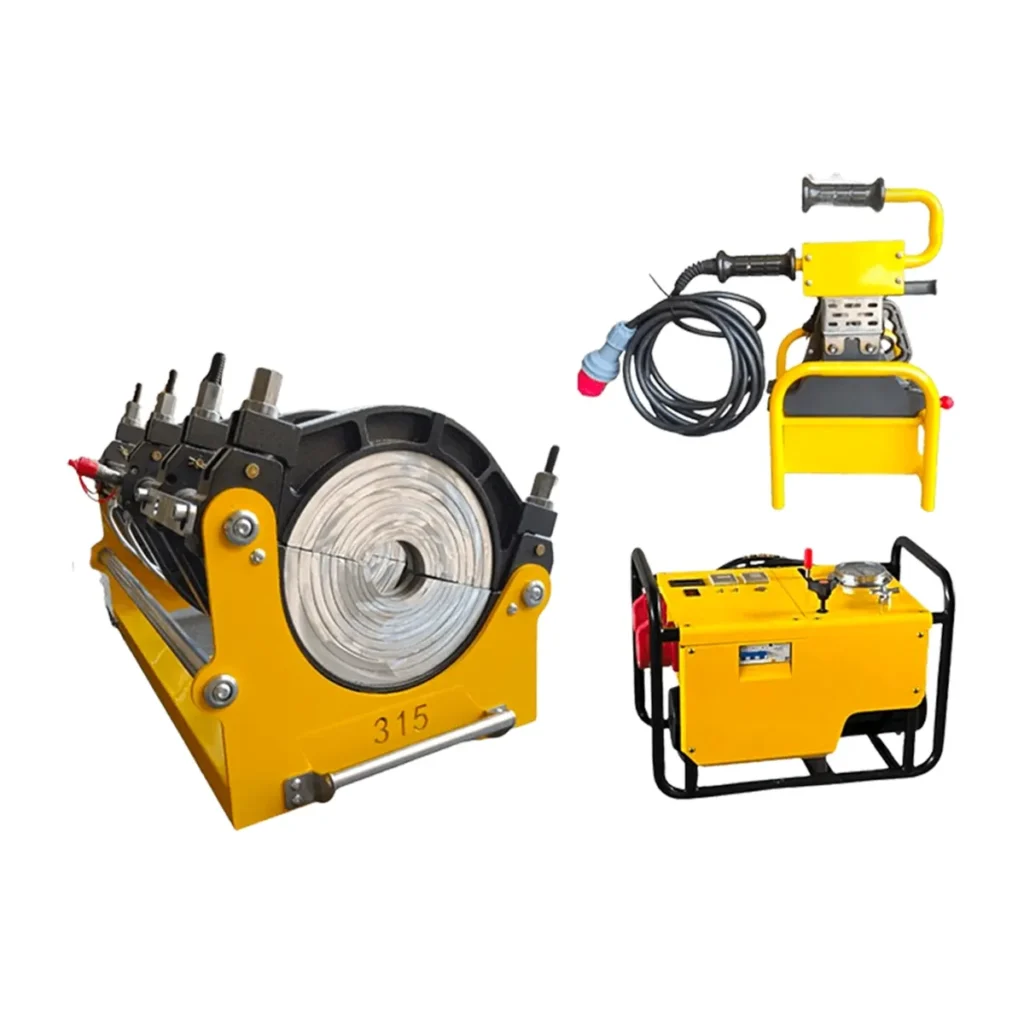
This step-by-step guide explains how to use an HDPE butt fusion machine safely and effectively. Follow the preparation, alignment, heating, fusion, and cooling procedures to produce reliable, leak-free joints in pressure and non-pressure HDPE piping systems.
Preparation: Tools, Site & Safety
Confirm the work area is level and free of debris. Gather the butt fusion machine, heater plate, facing tool, clamps, pipe supports, measuring tape, and cleaning materials. Ensure all operators wear PPE: gloves, safety glasses, and protective clothing. Check weather — windy, dusty, or wet conditions can affect weld quality.
Machine check
Inspect the machine for damage, hydraulic leaks, and secure connections. Verify the heater plate surface is clean and the temperature controller is calibrated. Confirm the facing tool blades are sharp and aligned.
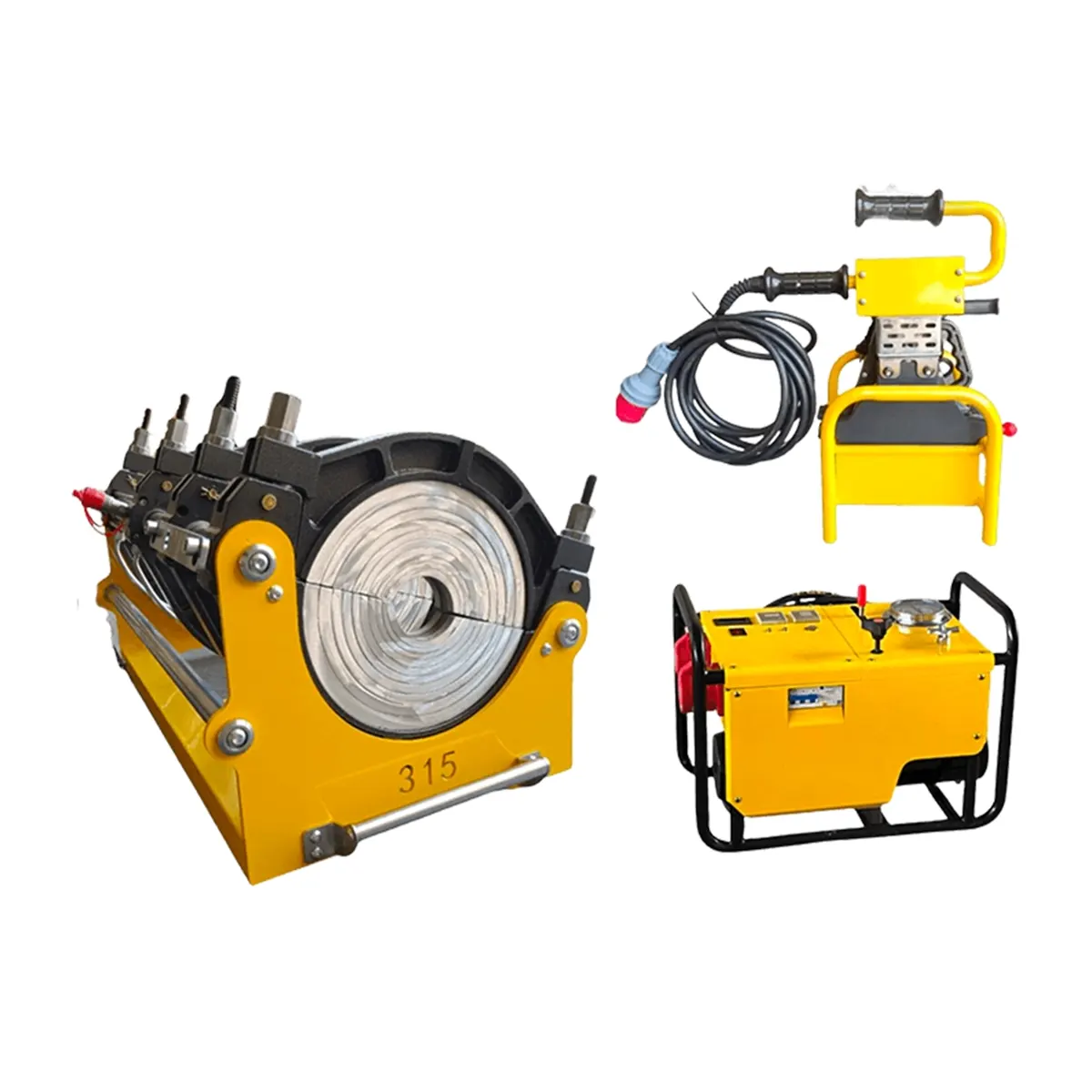
Step-by-step Fusion Process
1. Measure & Cut
Confirm pipe IDs, wall thickness, and SDR. Cut pipe ends square and remove burrs. Clean pipe ends with a cloth to remove dirt, moisture, and grease.
2. Align & Clamp
Place pipe ends in the machine’s clamps and align them concentrically. Use visual checks and feeler gauges where available. Apply clamping pressure sufficient to prevent movement during heating and fusion.
3. Facing (Trimming)
Use the facing tool to trim pipe ends to a flat, smooth surface. Remove all flashings and verify end preparation for a continuous contact area across the full circumference.
4. Heating
Insert the heater plate between the pipe ends and apply specified heating pressure. Monitor temperature and timing precisely. Do not rotate the heater plate while clamped.
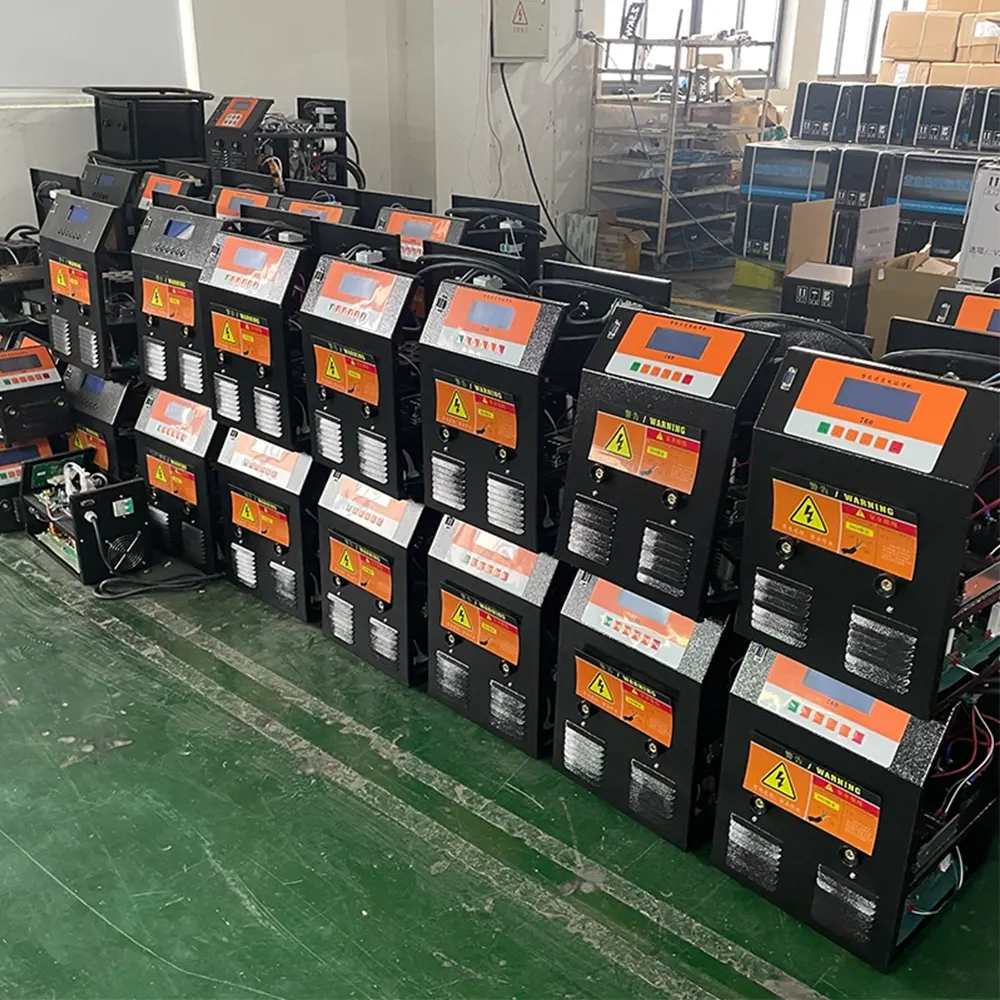
5. Fusion (Joining)
Remove the heater plate carefully and bring the molten pipe faces together with controlled fusion pressure. Hold until initial consolidation is complete and then maintain alignment and restraint for the specified cooling period.
6. Cooling & Inspection
Allow the joint to cool under restraint to prevent stress. After cooling, inspect the bead for uniformity and continuous crown. Record weld parameters and any irregularities for quality traceability.
Critical Fusion Parameters (Reference)
| Parameter | Typical Range / Note |
|---|---|
| Heater Plate Temperature | 200°C ± 10°C (varies by material grade) |
| Facing Time | Depends on wall thickness; follow machine chart |
| Heating Pressure | Minimum to hold contact without extrusion beyond spec |
| Fusion Pressure | Specified by pipe SDR and diameter (see manufacturer’s table) |
| Cooling Time | Proportional to wall thickness; do not disturb during cooling |
Common Problems & Troubleshooting
Misalignment: Re-face pipes and re-align; insufficient alignment leads to weak joints. Insufficient heating: Low temperature or short heating time creates cold welds — repeat process after trimming the joint. Excessive bead or voids: Check facing and pressure settings; ensure heater plate temperature is correct.
Maintenance & Best Practices
Clean the heater plate and facing tool after each shift. Store heating plates with protective covers. Periodically calibrate temperature sensors and pressure gauges. Replace worn facing blades promptly. Keep a weld log for traceability and quality audits.
Quick Pre-Weld Checklist
| Item | Status |
|---|---|
| Pipes clean & cut square | Yes / No |
| Facing tool sharp | Yes / No |
| Heater plate clean & preheated | Yes / No |
| Machine clamps secure | Yes / No |
For professional-grade equipment, quality support, and a wide range of HDPE butt fusion machines, consider contacting JQ-Fusion for product selection and after-sales service.



