
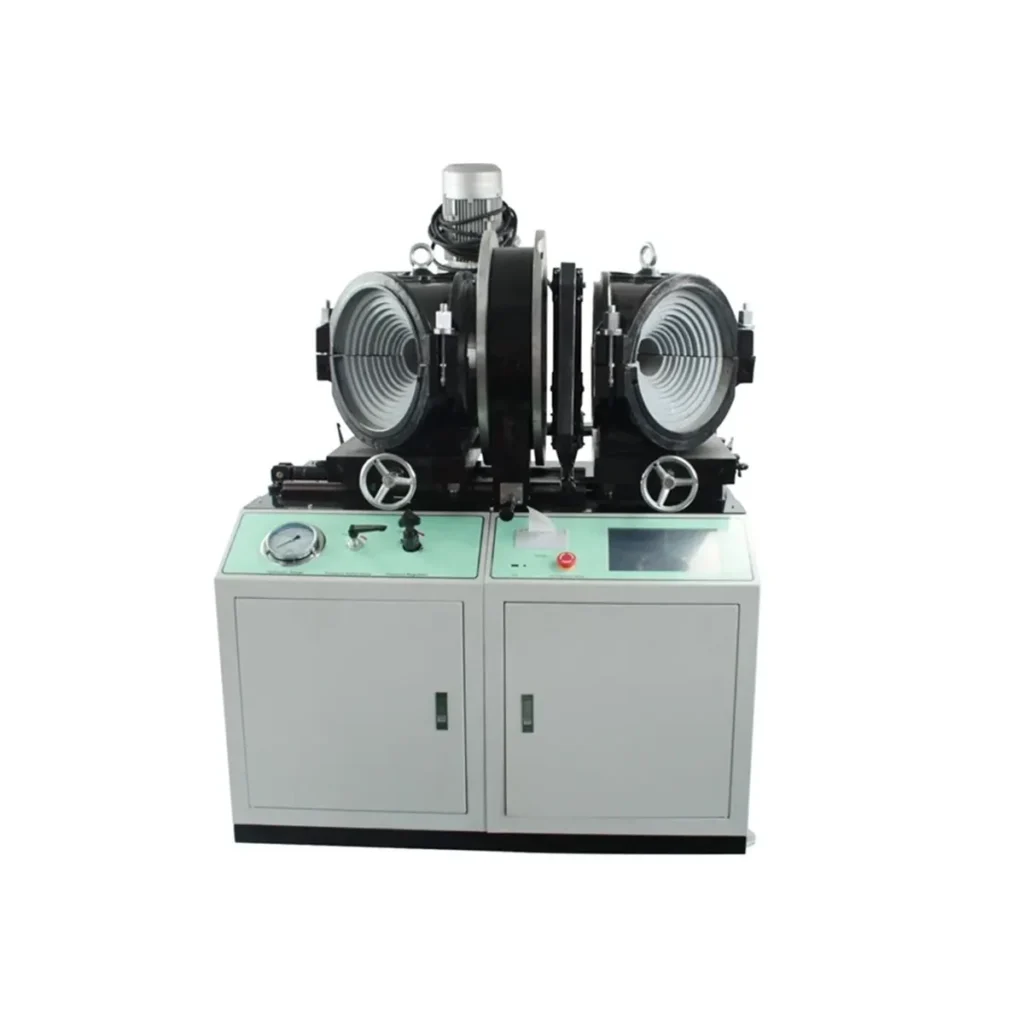
Butt fusion welding is the industry-standard method for joining thermoplastic pipes like HDPE and PP, delivering leak-free, high-strength joints for water, gas, mining, and industrial pipeline systems. This guide explains how plastic pipe butt fusion machines work, how to choose the right model, and practical tips to maximize productivity and weld quality.
What Is Butt Fusion and Why It Matters
Butt fusion is a heat-based welding technique that fuses two pipe ends by heating, pressing, and cooling them to create a homogeneous joint. Compared with mechanical fittings or adhesives, butt fusion produces durable, corrosion-resistant pipelines with uniform strength across the joint — essential for long-term infrastructure reliability.
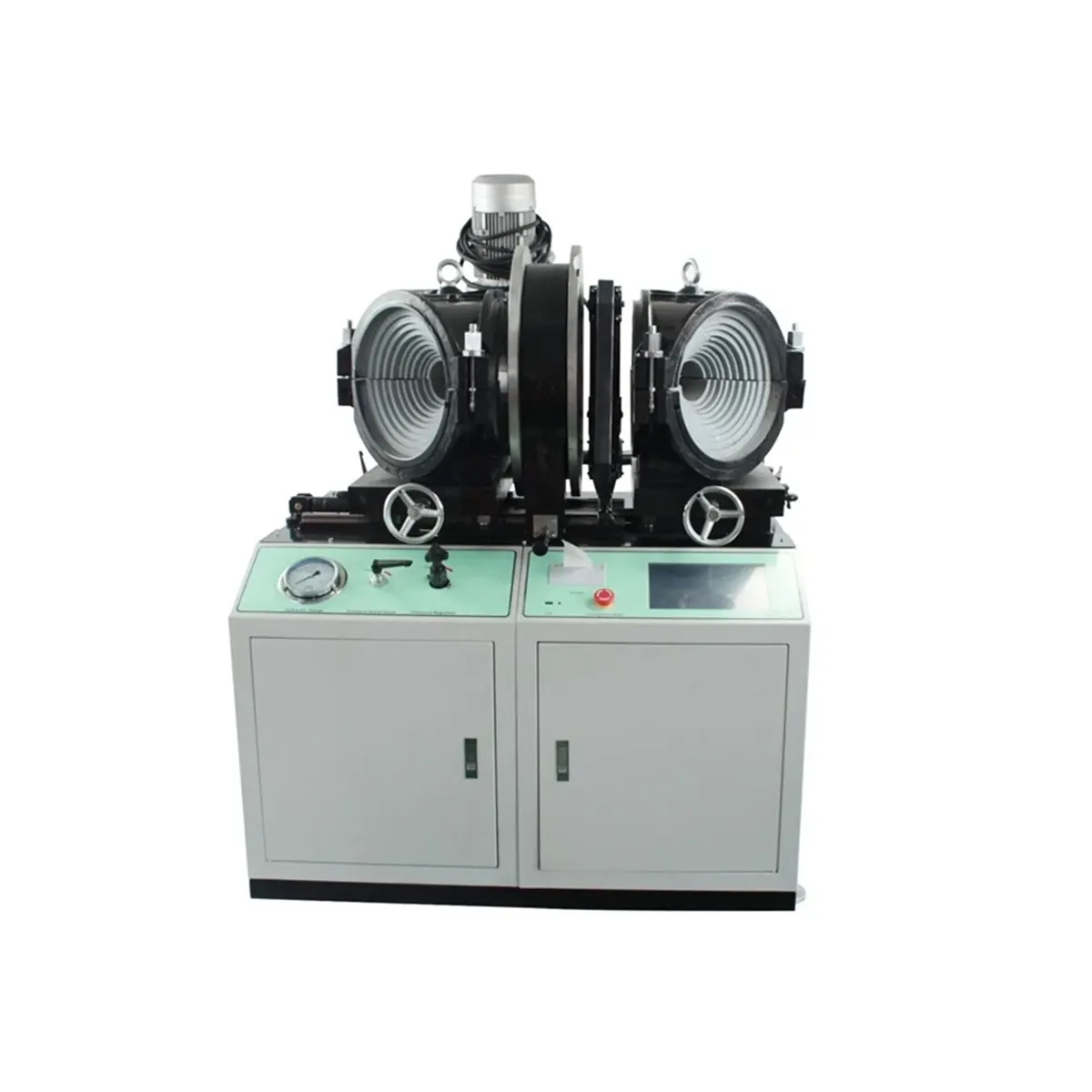
Common Applications
Butt fusion is widely used in:
-
Municipal water supply and wastewater systems
-
Natural gas distribution networks
-
Mining slurry and tailings pipelines
-
Industrial chemical and process piping
Types of Butt Fusion Machines
Selecting the right machine depends on pipe diameter, site conditions, production speed, and operator skill.
Manual Machines
Simple, portable, cost-effective — ideal for small-diameter pipes and remote fieldwork. Manual machines rely on operator control for alignment, heating, and fusion pressure.
Hydraulic Machines
Provide consistent, higher clamping and fusion force for medium to large diameters. Better for repetitive site welding with improved accuracy and reduced operator fatigue.
Automatic / CNC Machines
Automated control of heating time, pressure, and alignment yields repeatable, high-quality welds for production environments and large projects.
Multi-Angle & Fittings Machines
Designed to fuse complex fittings and angled joints, improving efficiency when installing tees, bends, and custom fittings on-site.
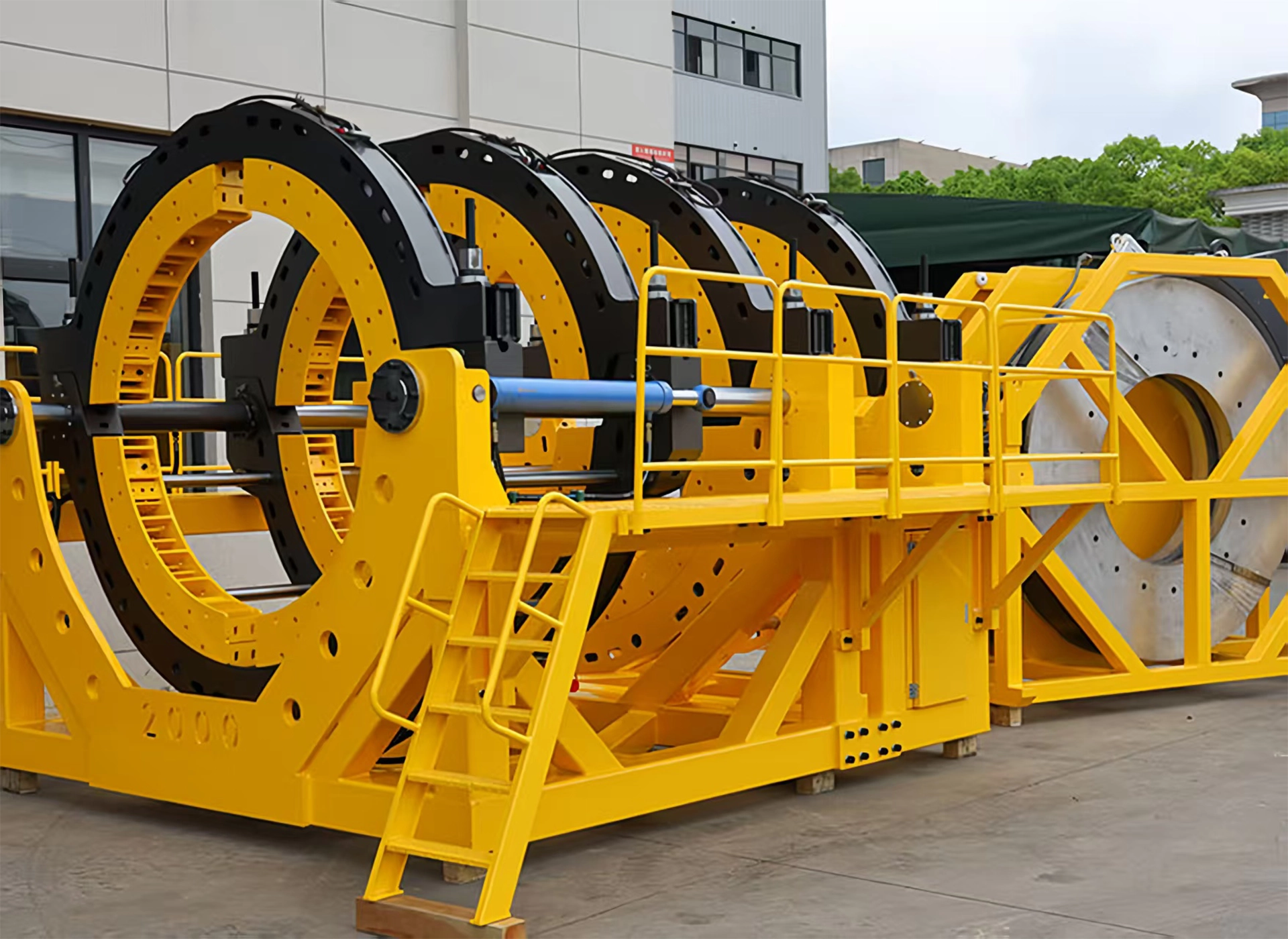
Quick Comparison Table: Machine Types
| Machine Type | Best For | Key Benefit |
|---|---|---|
| Manual | Small-diameter, remote sites | Low cost, portable |
| Hydraulic | Medium to large pipes | Consistent pressure, higher capacity |
| Automatic/CNC | High-volume projects | Repeatable precision, data logging |
| Multi-Angle | Fittings, tees, custom angles | Versatility for complex assemblies |
Step-by-Step Butt Fusion Process
Follow these core steps to ensure quality welds:
-
Preparation — Clean pipe ends, inspect for damage, and chamfer if required.
-
Alignment & Clamping — Secure pipes in the machine ensuring axial alignment and correct face contact.
-
Facing — Use the trimmer to create smooth, parallel faces with no contamination.
-
Heating — Apply the heating plate at the correct temperature for the material and wall thickness.
-
Fusion — Remove heater, bring pipe ends together under specified pressure to form the joint.
-
Cooling — Maintain clamping and allow the joint to cool to ambient temperature before handling.
Key Process Controls
Temperature, pressure, and heating time are critical. For consistent results, use machines with reliable controls or automated profiles that match the pipe’s SDR and material grade.
How to Choose the Right Machine
Consider these factors:
-
Pipe diameter range: Match machine capacity to your project’s maximum OD.
-
Mobility vs. automation: Portable manual units for fieldwork; automatic units for factory/large projects.
-
Site conditions: Power supply, weather exposure, and transportability.
-
Support & spare parts: Local service and easy-to-source consumables cut downtime.
Maintenance, Safety & Best Practices
To extend machine life and ensure safe operation:
-
Regularly inspect clamps, hydraulic systems, and heater plates for wear.
-
Calibrate temperature sensors and pressure gauges as recommended by the manufacturer.
-
Provide operator training on alignment, facing quality, and correct fusion parameters.
-
Use PPE and follow safe handling procedures for hot plates and heavy pipes.
Troubleshooting Common Issues
Short bead, asymmetric bead, or weak joints usually indicate improper heating, misalignment, or insufficient pressure. Check facing quality, confirm heater temperature, and review fusion time and pressure settings.
Benefits of Investing in Quality Butt Fusion Equipment
Reliable pipeline integrity, reduced leak risk, faster installation compared to mechanical joins, and lower lifecycle costs are primary advantages. For contractors and utilities, the right machine improves productivity and ensures regulatory compliance.
About the Manufacturer
JQ-Fusion is a professional manufacturer specializing in HDPE pipe welding machines, offering manual, hydraulic, and CNC automatic butt fusion solutions for a wide range of pipe sizes and infrastructure projects worldwide. For detailed model specifications and service options, visit JQ-Fusion.
Need Help Choosing a Model?
Contact the manufacturer with your pipe diameters, material (HDPE/PP), expected daily weld count, and site constraints. A short consultation will help you match the ideal machine to project needs and budget.



