
Choosing the right electrofusion welding machine can make the difference between a reliable HDPE joint and costly rework. This guide walks you through electrofusion welding machine models, key selection criteria, and practical tips to match equipment to your project—whether you’re doing small repairs, municipal pipeline work, or large-scale industrial installations.
Why Electrofusion Welding?
Electrofusion welding is a proven method for joining HDPE and other thermoplastic pipes using pre-heated fittings and a controlled current. Benefits include consistent joint quality, excellent leak resistance, and suitability for complex geometries and in-field repairs. For many contractors and utilities, electrofusion machines deliver faster, repeatable results compared with traditional mechanical couplings.
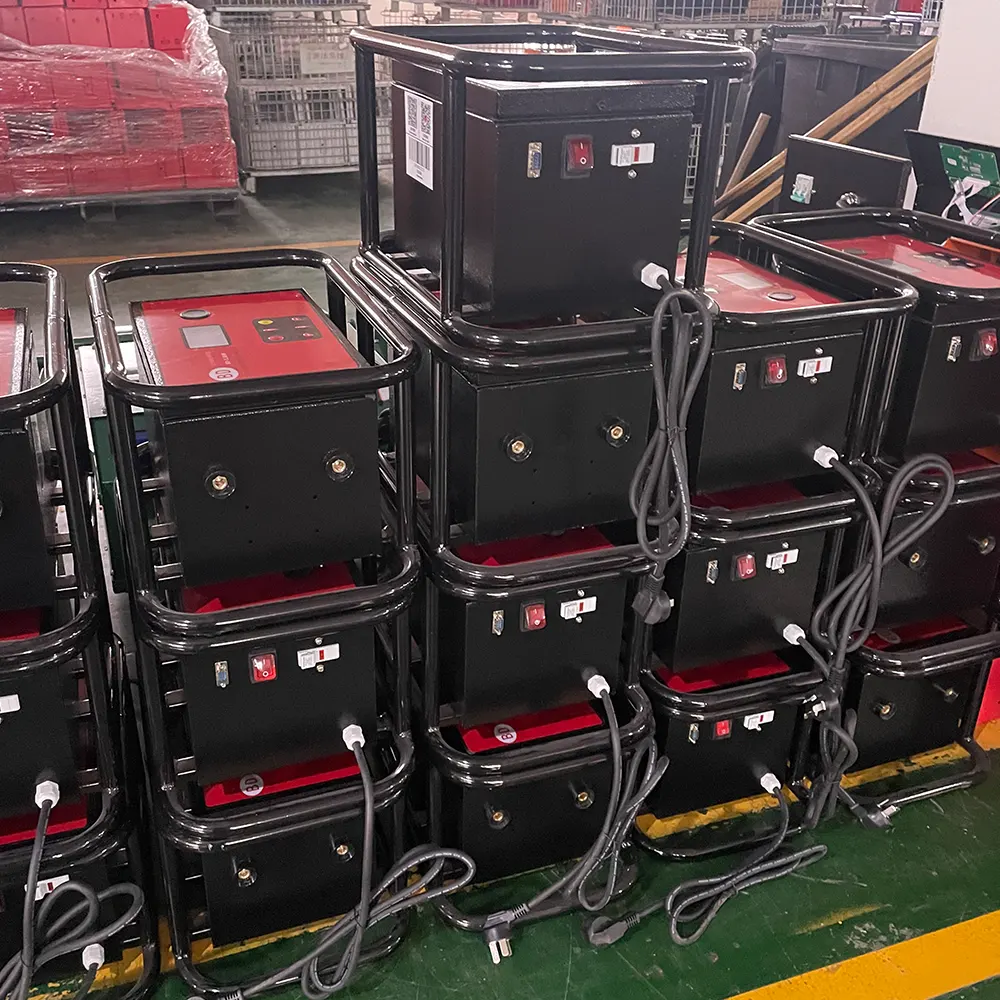
Key Factors to Consider When Choosing a Model
Selecting the proper electrofusion welding machine depends on several project-specific variables. Focus on these priorities to narrow your options quickly:
- Pipe size and material: Confirm the machine supports your HDPE pipe diameters and material formulations.
- Work environment: Field repairs, confined spaces, or factory production lines have different portability and power needs.
- Automation level: Manual vs. semi-automatic vs. fully automatic controls affect speed, operator skill, and traceability.
- Power supply: Mains, battery, or generator compatibility is essential for remote sites.
- Certifications & data logging: Projects requiring QA/QC often need machines with ISO-compatible records and weld reports.
- Budget & lifecycle cost: Consider initial cost, spare parts, training, and long-term serviceability.
Pipe Size & Material Matching
Electrofusion machines vary in the pipe range they support. Small handheld units handle common service sizes (e.g., 20–160mm), while bench or station models and automated systems cover larger diameters and higher throughput. Verify compatibility with your pipe SDR and material grade to avoid weak joints.
Power, Controls & Traceability
Advanced controls provide programmable welding cycles, automatic current regulation, and integrated logging. If your project requires documentation for each weld, prioritize models with digital record-keeping and USB/QR capabilities. For remote or emergency work, battery-powered units or those tolerant of variable voltage are preferable.
On-Site vs Factory Use
Portability and ruggedness matter for field crews. Lightweight, impact-resistant housings and IP-rated panels help in harsh climates. In contrast, factory or station welding favors heavy-duty frames, centralized controllers, and higher automation to maximize throughput and consistency.
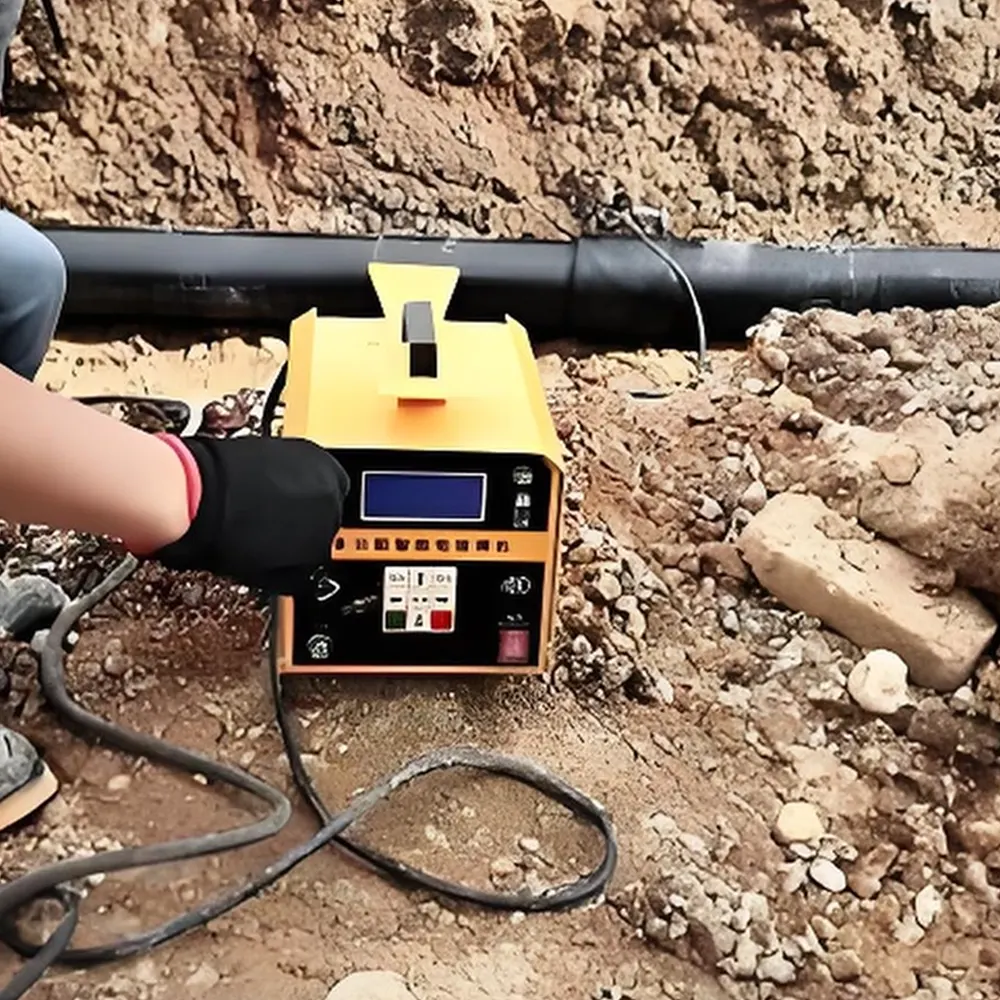
Common Electrofusion Machine Models Compared
Below is a quick comparison table to help you identify the right class of machine for typical applications.
| Model Type | Typical Pipe Range | Ideal For | Key Features |
|---|---|---|---|
| Handheld/Portable | 20–160mm | Service repairs, remote sites | Battery options, simple interface, rugged case |
| Bench / Station | Up to 630mm | Workshop assembly, medium production | Stable clamps, precise timing, data export |
| Semi-Automatic | 63–1200mm (varies) | Pipeline contractors, utilities | User prompts, weld memory, higher throughput |
| Fully Automatic / CNC | Large diameters, >800mm | High-volume fabrication, quality-controlled projects | Programmable recipes, full traceability, remote monitoring |
How to Match Model to Project
Start by mapping project needs: pipe diameters, expected daily weld count, environmental constraints, and certification demands. For emergency utility repairs, a portable handheld unit is typically the fastest ROI. For pipeline construction or prefabrication yards, invest in semi-automatic or fully automatic systems that improve consistency and reduce labor time.
Maintenance, Training & Accessories
Regular calibration of current controllers, inspection of cable connections, and firmware updates keep weld quality consistent. Provide hands-on training for operators—electrofusion welding technique and proper cleaning/preparation of fusion surfaces are critical. Stock essential accessories: scanners, calibrated thermocouples, spare leads, and certified electrofusion fittings.
Why choose JQ-Fusion
JQ-Fusion offers a comprehensive range of HDPE welding solutions from portable electrofusion units to automated station systems, designed for long-term reliability and factory-backed support. Visit JQ-Fusion for model details, datasheets, and service options.
Ready to choose the right electrofusion welding machine? Evaluate your application against the table above, prioritize portability vs. automation, and request weld procedure documentation from suppliers before purchase to ensure compliance and peace of mind.



