
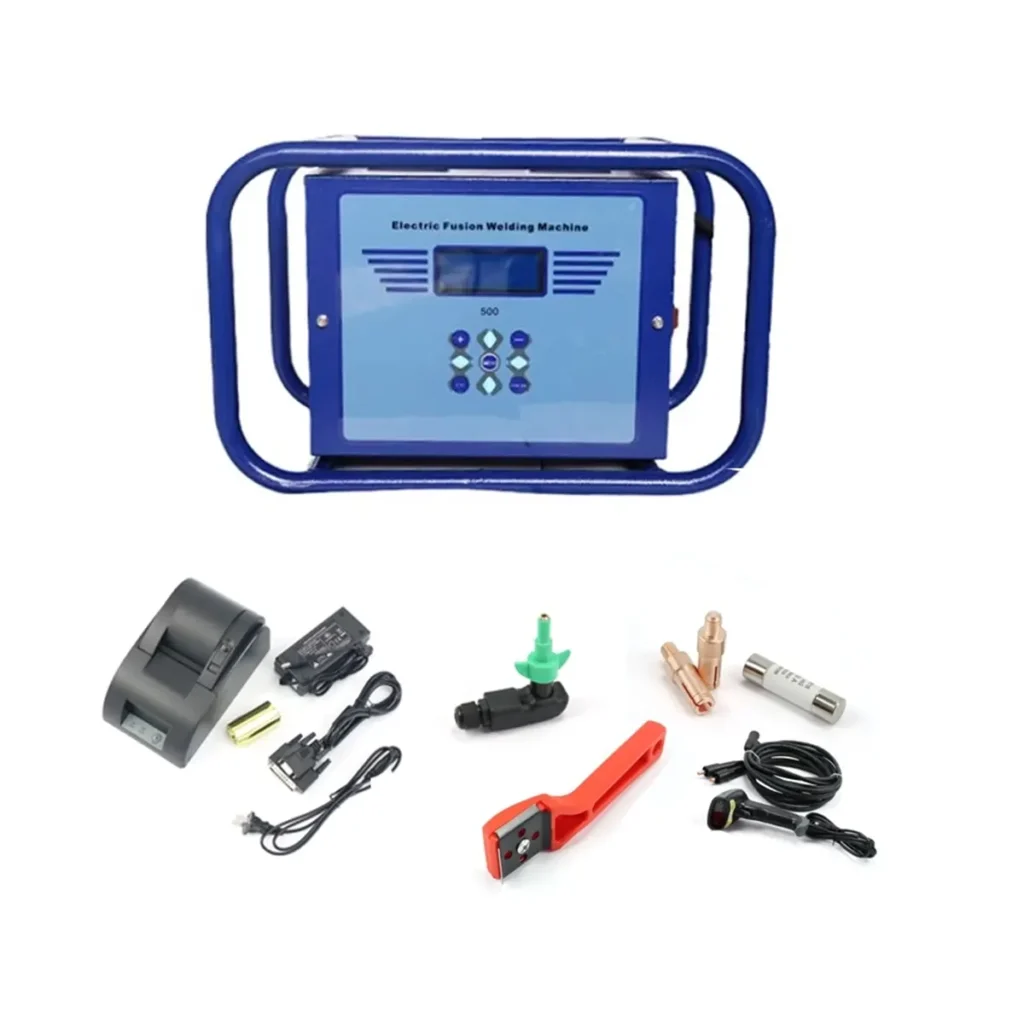
Electrofusion welding is a reliable joining method for HDPE pipe systems, offering strong, leak-proof connections for water, gas, and industrial pipelines. This guide helps engineers, contractors, and procurement teams choose the right electrofusion welding equipment by outlining key selection criteria, typical applications, and practical tips to match machine capabilities to project needs.
Why Electrofusion Welding?
Electrofusion provides consistent joints with minimal operator variability. The method uses fitted electrofusion couplers that heat and fuse pipe surfaces internally, creating long-lasting seals even in constrained or buried environments. Advantages include ease of field use, suitability for complex fittings, and strong performance on aged or stressed pipes.
Match Machine Type to Project Scale
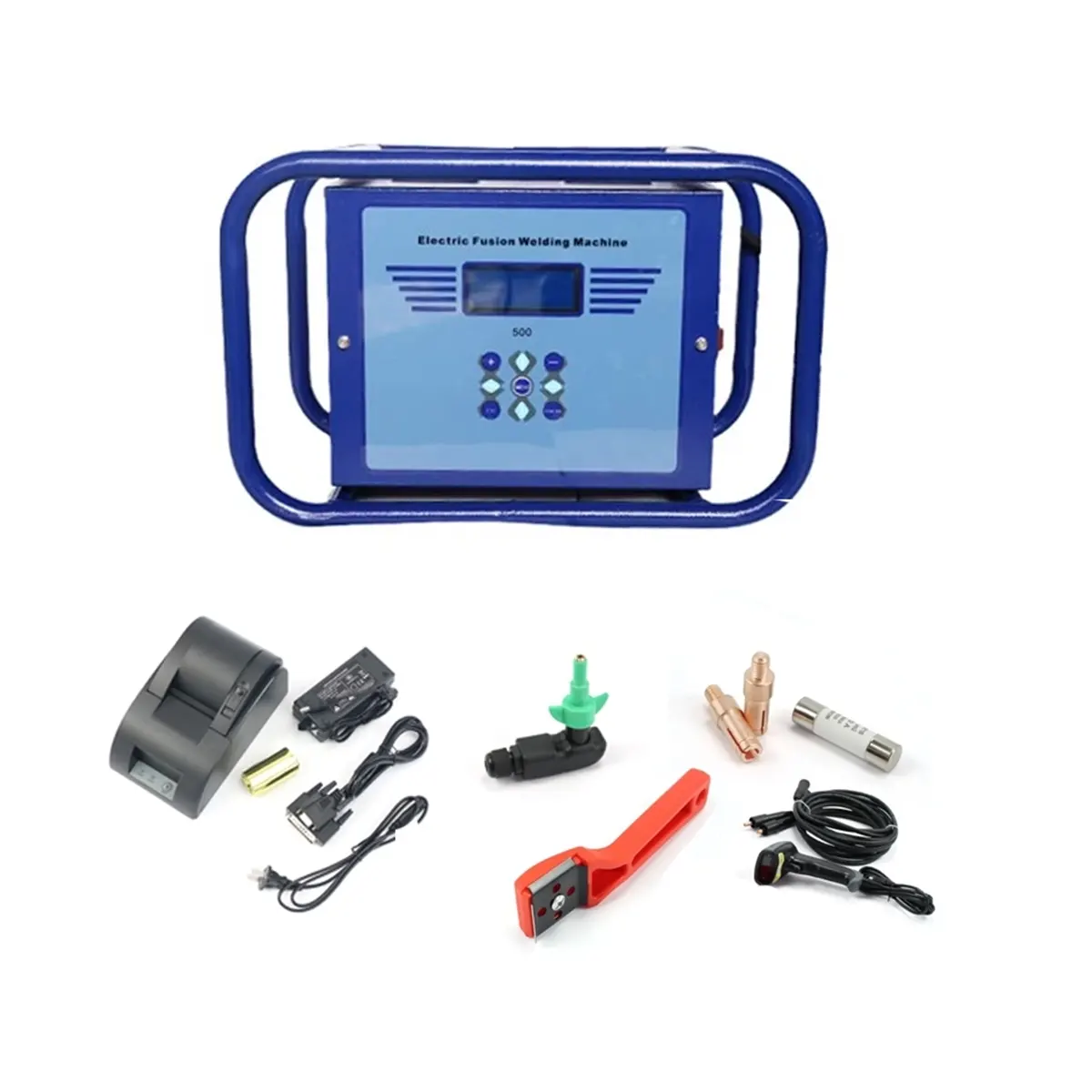
Electrofusion equipment ranges from portable handheld units to bench-top and compact field controllers. Small-scale municipal repairs and service connections benefit from lightweight, battery-backed units. Large contractors working on long distribution mains often prefer robust controllers with data logging and high current output for faster cycle times.
Key Selection Factors
When evaluating electrofusion machines, prioritize the following:
- Compatibility — Ensure the controller supports the coupler types and pipe diameters your project uses (e.g., 20–800mm ranges).
- Power & Cycle Control — Look for adjustable current/power settings and precise timing control for repeatable welds.
- Data Logging & Traceability — Built-in logging, USB/SD export, or Bluetooth connectivity supports QA and regulatory reporting.
- Portability & Power Source — Battery operation and light weight matter for remote, long-day jobsites.
- User Interface — Intuitive displays reduce operator errors; multilingual menus can be vital for international teams.
- Safety Features — Over-current protection, temperature monitoring, and secure clamp interlocks protect operators and fittings.
Technical Specs That Matter
Evaluate controller rating (max current and voltage), supported weld programs, ambient operating range, and accuracy of timing and temperature sensors. If you need high throughput, choose controllers that sustain higher current for short cycles without thermal de-rating.
Quick Model Comparison
| Model | Pipe Range | Power / Battery | Key Features | Best For |
|---|---|---|---|---|
| Portable Field Controller | 20–160mm | Battery 12–24V | Lightweight, simple UI | Service repairs & small teams |
| Bench/Workshop Unit | 20–400mm | AC mains with backup | High throughput, stable output | Prefabrication & workshops |
| Advanced Controller | 20–630mm+ | High-current AC, data export | Traceability, multi-language | Large infrastructure projects |
Site Considerations & Use Cases
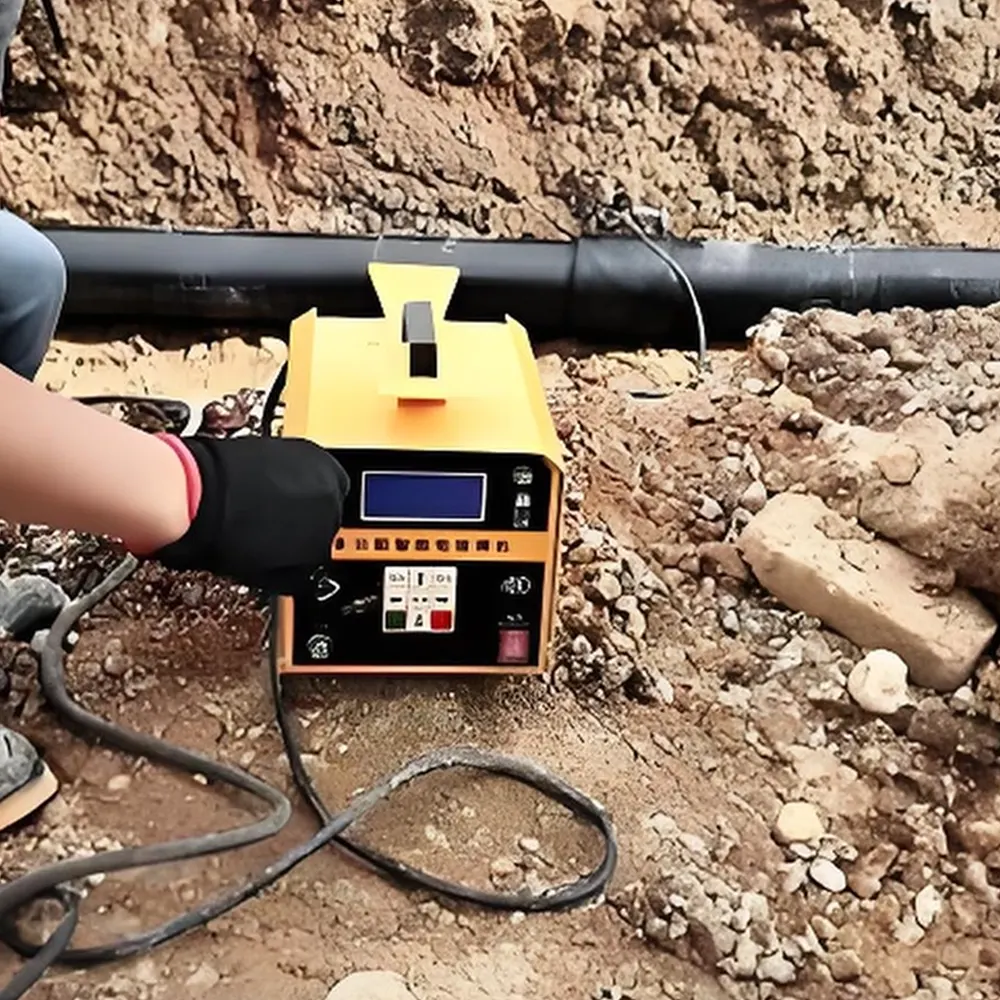
Match equipment to the environment: for cold climates choose controllers rated to low temperatures and batteries with cold-start capability; for urban work ensure compact units that minimize disruption. Electrofusion excels in gas distribution, potable water mains, sewer rehabilitation, and industrial fluid systems where reliable, tested joints are required.
Quality & Compliance
Confirm machine and program compliance with relevant standards (ISO, ASTM, regional utility codes). Devices with certified weld programs and audit-ready logs will simplify inspections and warranty requirements. Regular calibration of timing and sensor functions is crucial to maintain compliance.
Operator Training & Productivity
Even the best equipment needs trained operators. Factor training time, availability of local support, and the learning curve for logging and exporting weld records. Machines with guided welding programs reduce mistakes and improve speed, especially with less experienced crews.
Maintenance, Spare Parts & Support
Choose vendors offering spare parts kits (fuses, connectors, clamp components), clear calibration procedures, and responsive technical support. Preventive maintenance schedules—cleaning contacts, checking cables and battery health—extend equipment life and avoid costly downtime.
Safety Checklist
- Verify grounding and insulation of AC-powered units.
- Use PPE and follow lockout/tagout when servicing.
- Ensure clamps and couplers are free of debris before welding.
- Follow manufacturer weld parameters exactly for each coupler type.
Cost vs. Value: Making the Purchase Decision
Upfront cost is only part of total ownership. Consider throughput, downtime risk, warranty, and data traceability benefits. For recurring large projects, investing in advanced controllers and proper training often yields lower lifecycle costs and improved project quality.
How JQ-Fusion Can Help
JQ-Fusion offers a range of HDPE welding solutions including electrofusion controllers and support for selection and customization. Visit JQ-Fusion for product specs, spare parts, and service options.
Final Selection Checklist
Before buying, use this checklist:
- Confirm pipe/coupler compatibility and diameter range.
- Review power needs and portability requirements.
- Check data logging, export formats, and reporting features.
- Ask about calibration, warranty, and spare parts availability.
- Plan operator training and on-site support.
Next Steps
Define your project scope, expected daily welds, and reporting needs. Compare controllers by the spec table above and prioritize machines that reduce operator errors while providing traceable weld data. Proper selection ensures safe, efficient, and durable electrofusion joints for every pipeline project.



