
High-density polyethylene (HDPE) welding equipment plays a central role in modern pipeline construction, plastic sheet fabrication, and industrial repair. From small-diameter service lines to large-diameter infrastructure projects, the right welding machines ensure strong, leak-free joints, consistent performance, and long life for HDPE systems.
Why HDPE Welding Machines Matter
HDPE welding is the preferred joining method for thermoplastic piping because it creates homogenous joints that maintain the mechanical and chemical properties of the base material. Reliable welding equipment reduces rework, minimizes downtime, and improves on-site productivity for contractors, municipal works, and industrial maintenance teams.
Primary Types of HDPE Welding Equipment
Butt fusion machines (manual, hydraulic, and automatic) — for straight pipe-to-pipe joints and large diameters.
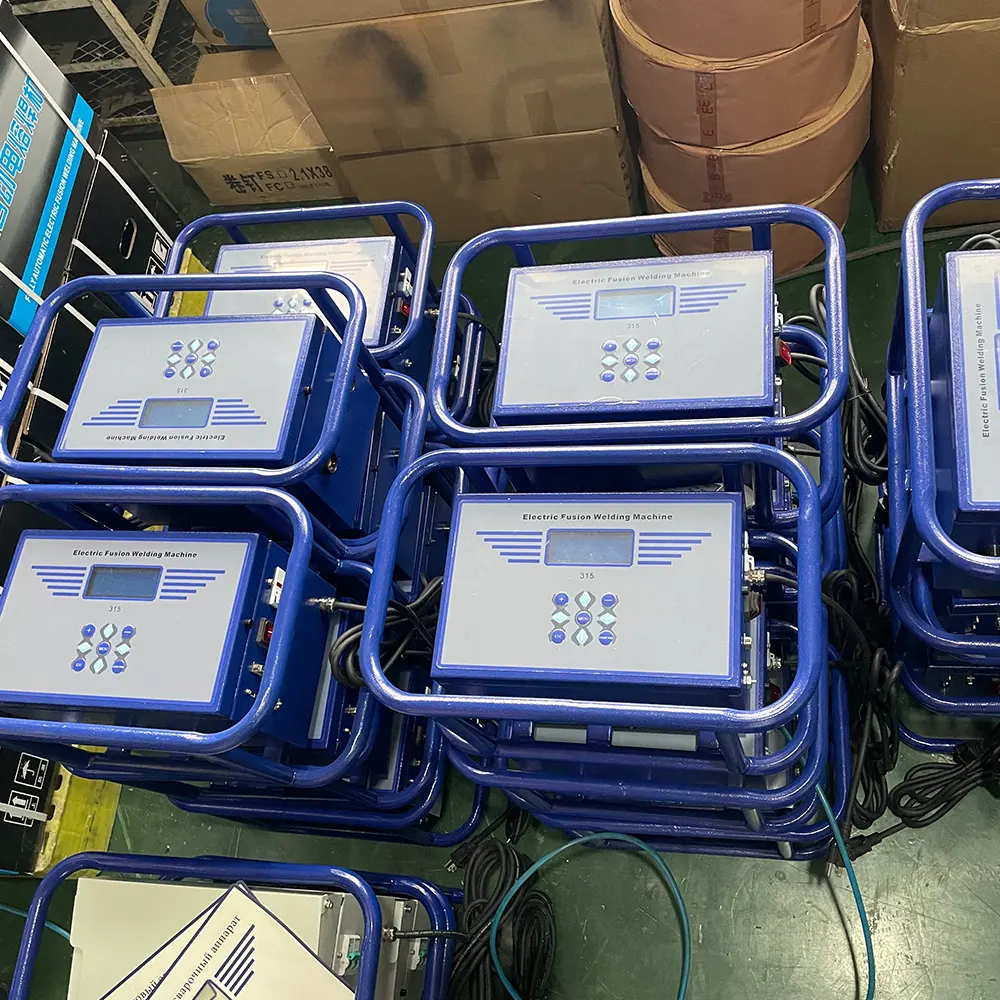
Electrofusion units — ideal for fittings, tapping saddles, and repair couplers.
Trim tools and facing units — to prepare pipe ends for consistent fusion.
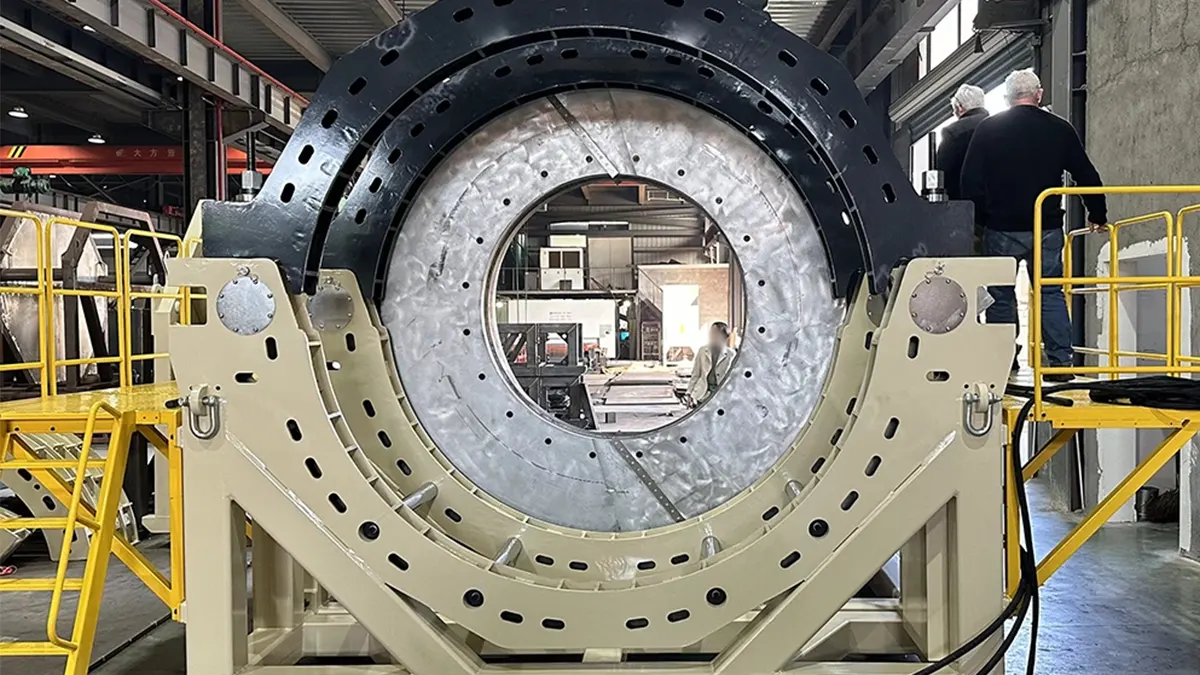
Multi-angle and fitting welding machines — for complex assemblies of elbows, tees, and prefabricated fittings.
Quick Comparison: Manual vs Hydraulic vs Automatic
| Machine Type | Best For | Key Advantage |
|---|---|---|
| Manual Butt Fusion | Small projects, tight budgets | Portable and simple |
| Hydraulic Butt Fusion | Medium to large diameter pipelines | High clamping force and repeatability |
| Automatic / CNC Butt Fusion | Long runs, factory prefabrication | Precision control and data logging |
| Electrofusion | Fittings, repairs, and confined spaces | Fast, clean, and precise joins |
Key Features to Prioritize
– Robust clamping systems to avoid misalignment and cold welds.
– Accurate temperature control and calibrated heaters for consistent melt profiles.
– Integrated data logging (for automatic machines) to capture weld parameters for QA/inspection.
– Field serviceability and modular components to reduce downtime.
– Safety features: emergency stops, insulated handles, and stable frames for site conditions.
Common Applications
HDPE welding machines support a wide range of sectors: water distribution and wastewater systems, gas distribution networks, mining slurry pipelines, irrigation and agricultural water systems, industrial chemical lines, and prefabricated sheet welding for geomembranes and containment systems.
Installation, Training, and Certification
Proper installation and operator training are critical. Ensure operators are trained to industry standards for butt fusion and electrofusion procedures, and that machines are commissioned with calibration checks. For projects requiring traceability, choose equipment with weld record capabilities and digital export features.
Maintenance & Safety Tips
– Regularly inspect heater plates and replace worn insulation.
– Keep jaws and clamps clean and free from debris to prevent misalignment.
– Store electrical and hydraulic components in dry conditions.
– Follow recommended service intervals and keep a log of repairs.
– Use appropriate PPE: gloves, eye protection, and training on hot surface handling.
Selecting the Right Machine: A Short Checklist
– Project scale: small service lines or large trunk mains?
– Material range: pipe diameters and SDR ratings to be joined?
– Mobility vs. automation: field portability or prefabrication precision?
– After-sales support: local service, spare parts, and training availability?
– Budget and long-term operating cost, including consumables and maintenance.
Frequently Asked Questions
Q: How long does a typical butt fusion weld take?
A: Cycle times vary by diameter and material SDR; a skilled operator with a hydraulic or automatic machine can complete many welds per day on small diameters, while large-diameter weld cycles take longer and require careful preparation.
Q: Can HDPE sheets be welded with the same equipment used for pipes?
A: Sheet welding often uses specialized extrusion welders or hot-air equipment; however, pipe-facing tools and heaters can be adapted for certain sheet or geomembrane tasks when specified.
Q: What warranty or support should buyers expect?
A: Choose manufacturers that provide clear warranty terms, spare parts availability, and access to technical support and training to ensure long-term reliability.
For professional-grade HDPE welding equipment and global project support, consider reputable manufacturers and suppliers such as JQ-Fusion who specialize in butt fusion and electrofusion solutions for a wide range of pipe sizes and industrial applications.



