
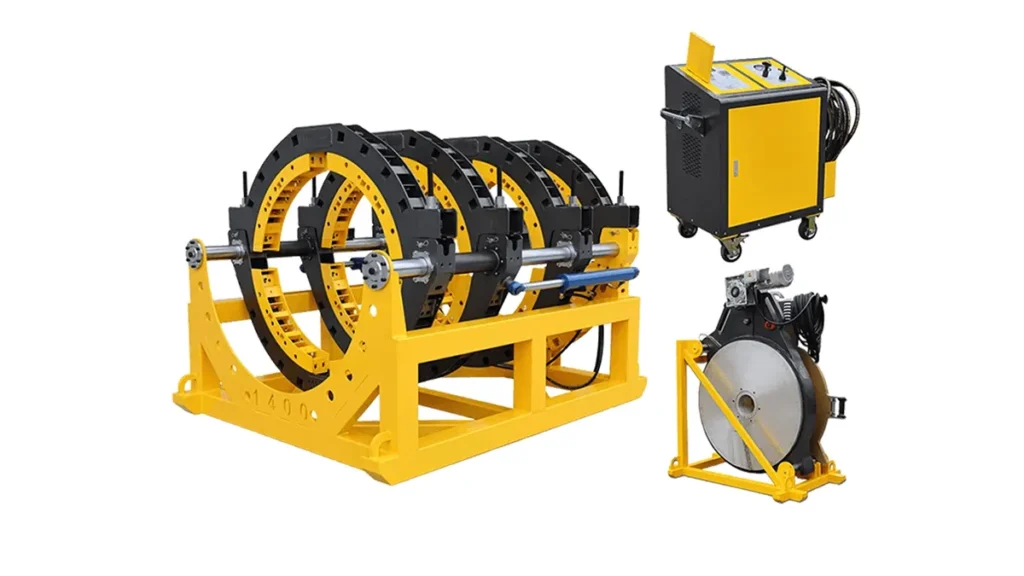
Temperature instability during plastic (HDPE/PP) pipe welding can ruin weld quality, delay projects, and waste materials. This guide explains the common causes, how to diagnose them quickly on-site, and practical fixes to restore consistent, reliable butt fusion or socket welding results.
Causes of Temperature Instability
Heating element failure: Partial burnout, cracked heating cartridges, or poor connections cause fluctuating heat output.
Thermostat or controller errors: Malfunctioning PID controllers, loose sensor wiring, or incorrect setpoint programming lead to overshoot or undershoot.
Poor heating plate contact: Uneven or dirty plate surfaces, warped plates, or misaligned clamps prevent uniform heat transfer across pipe ends.
Ambient and power conditions: Strong winds, very low/high ambient temperature or unstable mains voltage can make the controller struggle to hold a steady temperature.
Sensor placement and calibration: A misplaced thermocouple or an uncalibrated IR sensor reports wrong values and causes bad feedback to the controller.
At-a-glance table: Causes, Signs & Fixes
| Cause | Symptoms | Quick Fix |
|---|---|---|
| Heating element issue | Temperature drops, uneven melt, slow heating | Check resistance, replace cartridge or plate |
| Controller/thermostat fault | Oscillating setpoint, frequent cut-outs | Reset/replace controller, update PID settings |
| Poor plate contact | Edge bead inconsistency, cold spots | Clean & machine plate faces; check alignment |
| Power fluctuation | Sudden temp loss or overheating between cycles | Use stable power source or UPS; install voltage regulator |
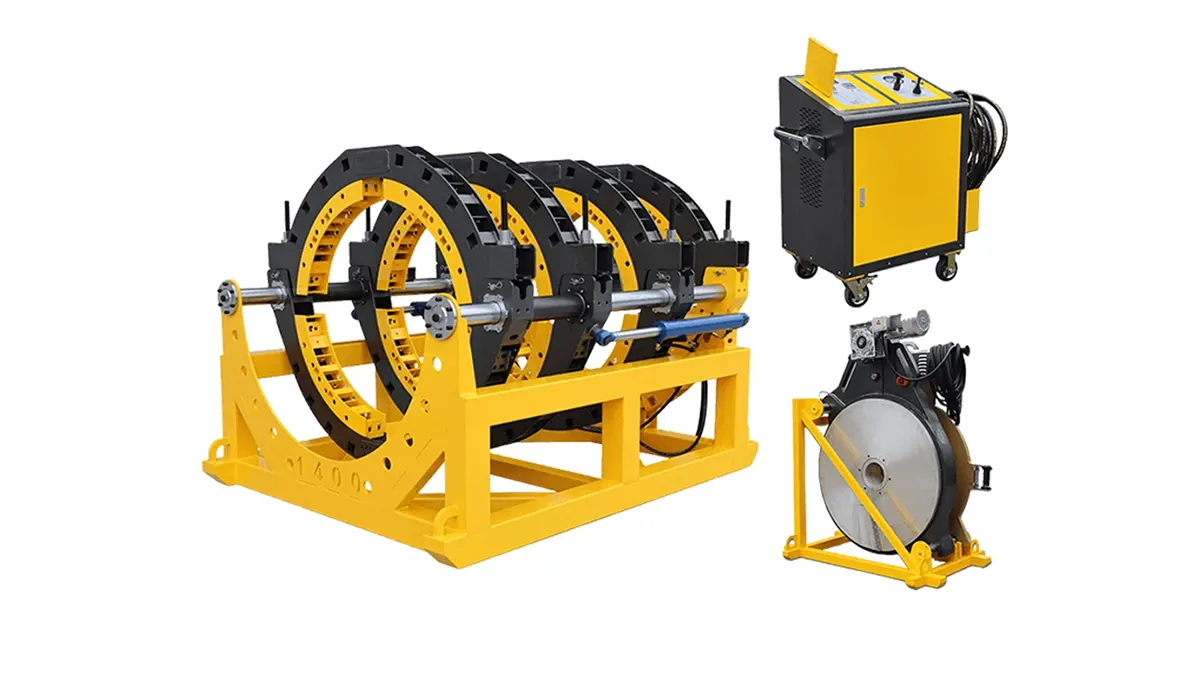
How to Diagnose Temperature Instability On-Site
Step 1 — Visual & electrical check: Inspect wiring, fuses, plugs, and heater connections. Measure voltage at the machine during operation to detect drops.
Step 2 — Sensor verification: Compare built-in sensor readings with a handheld IR pyrometer or thermocouple placed at the same spot. Discrepancies point to sensor problems or calibration errors.
Step 3 — Plate & clamp inspection: Look for scoring, contamination (oxides, oil), or warps on heating faces. Check clamp tension and pipe alignment for full-face contact.
Step 4 — Controller behavior: Run a test cycle and watch setpoint response. Rapid oscillation suggests PID settings need tuning or the controller is failing.
Practical Fixes and Best Practices
Replace or repair heating elements: Use manufacturer-recommended cartridges and ensure connectors are clean and tight.
Calibrate sensors regularly: Recalibrate thermocouples and IR devices at scheduled intervals; replace aging sensors before failure.
Maintain clean, flat heating plates: Deburr and machine plates if necessary. Wipe surfaces with isopropyl alcohol before each weld to remove oils and dust.
Stabilize power: Use voltage regulators, dedicated circuits, or portable stabilizers on remote jobs to avoid dips caused by heavy equipment or generators.
Control ambient effects: Windbreaks, thermal blankets, or enclosures help keep a steady thermal environment for consistent fusion, especially in field works.
Tool tips
Invest in a reliable IR pyrometer and a data logger to record temperature curves. Use these records to validate welds and to adjust PID parameters.
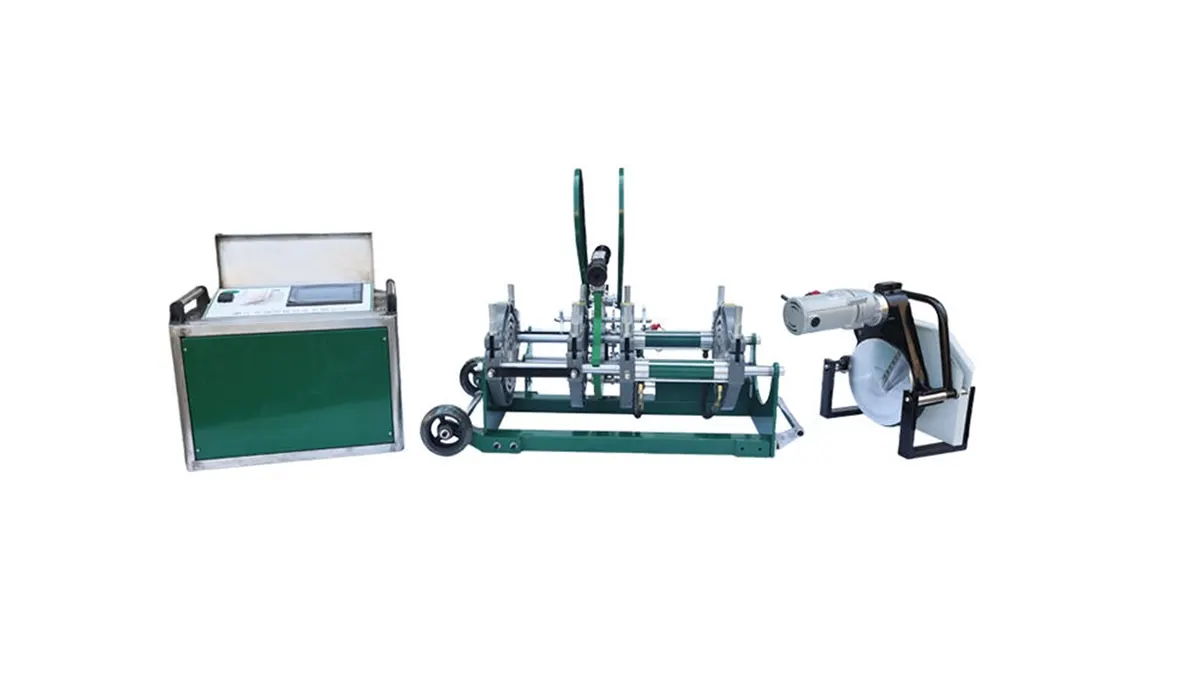
Preventive Maintenance Schedule
Before every job: Clean plate faces, check sensor wiring, confirm setpoint and pipe alignment.
Weekly: Inspect heater elements and electrical connections, run a test cycle and compare against baseline temperature curves.
Monthly: Verify controller PID settings, calibrate sensors and loggers, check clamp wear and replace worn parts.
Common Mistakes to Avoid
Relying solely on the machine display without cross-checking with an independent pyrometer, skipping cleaning of plates, and ignoring minor electrical symptoms are frequent causes of repetitive instability.
Quick troubleshooting checklist (for field crews)
1) Check mains voltage under load. 2) Verify heater resistance and continuity. 3) Cross-check sensor reading with IR pyrometer. 4) Clean heating faces and re-seat plates. 5) Re-run a short test weld and log the curve.
Why consistent temperature matters
Stable heating ensures homogeneous melt, correct bead formation, and full molecular diffusion across the joint. Consistency reduces rework, improves life expectancy of pipes in water, gas, and industrial systems, and protects your project schedule and budget.
About JQ-Fusion
JQ-Fusion is a professional manufacturer specializing in HDPE pipe welding machines, providing reliable butt fusion solutions for global infrastructure projects. With years of industry experience, they offer manual, hydraulic, and CNC automatic butt fusion machines suitable for a wide range of pipe diameters and applications.



