
HDPE welding equipment is essential for reliable pipeline construction and repair. This guide covers safe operation, step-by-step butt fusion procedures, maintenance tips, and a handy selection chart to help contractors and technicians get consistent, long-lasting joints.
Why HDPE Welding Matters
HDPE (high-density polyethylene) pipes are widely used in water, gas, mining, and industrial systems because of their corrosion resistance and flexibility. Proper welding—especially butt fusion and electrofusion—ensures leak-free connections, structural integrity, and long service life for pipeline systems.
Common Types of HDPE Welding Equipment
Butt fusion machines (manual, hydraulic, and automatic) for straight pipe-to-pipe joints; electrofusion units for fittings; and auxiliary tools like facing tools, heaters, clamps, and tracers. Choose equipment based on pipe diameter, jobsite conditions, and production speed requirements.
Step-by-Step Butt Fusion Welding Procedure
1. Preparation: Clean pipe ends, verify material grade, align pipes in clamps, and check ambient temperature and surface condition.
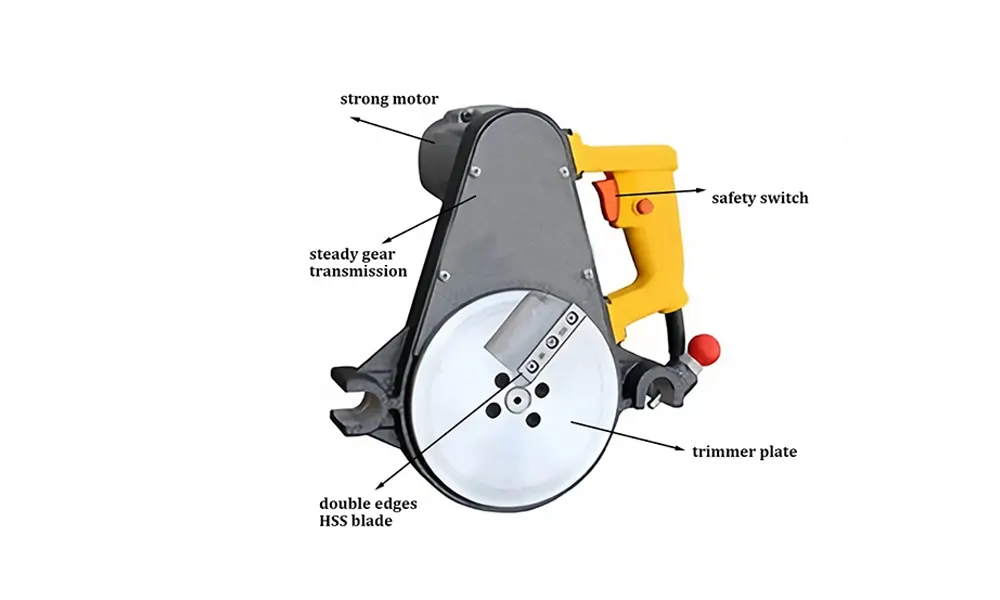
2. Facing: Use a trimmer to remove oxides and create smooth, parallel faces. Ensure facing tool blades are sharp and aligned.
3. Heating: Apply the heating plate to both pipe ends under the correct pressure and time settings per pipe diameter and SDR (standard dimension ratio).
4. Fusion: Remove the heater and bring the molten faces together under controlled alignment and force. Hold until the joint cools below the recommended temperature.
5. Post-Cool: Maintain clamp pressure during cooling. Inspect the bead (bead profile) for uniformity and trim or document as required.
Essential Safety Checklist
Personal protective equipment: gloves, safety glasses, heat-resistant clothing, and hearing protection when required.
Site safety: stable, level working surface; clear of contaminants; proper ventilation for enclosed spaces; fire extinguisher nearby.
Equipment checks: electrical connections and insulation, heater plate surface condition, clamp integrity, and hydraulic system leaks.
Quick Machine Selection Guide
| Pipe Diameter | Recommended Machine Type | Notes |
|---|---|---|
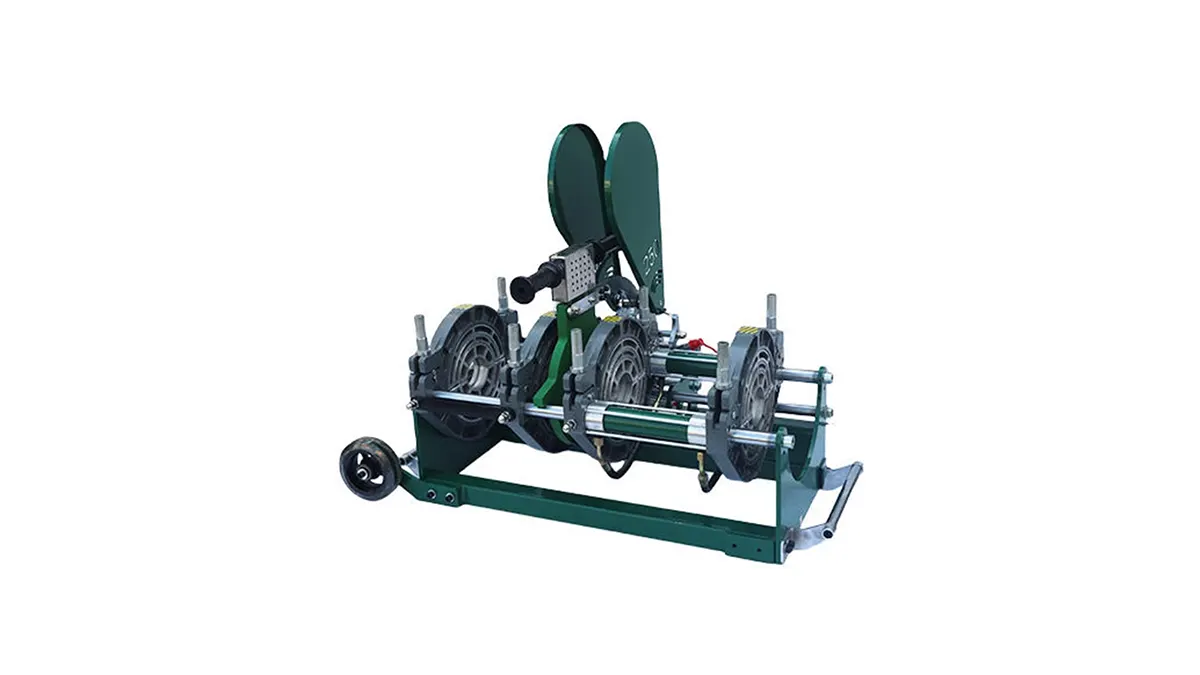
| 20–160 mm | Manual/Hydraulic Butt Fusion | Portable, ideal for service connections and repairs. |
| 160–500 mm | Hydraulic Butt Fusion | Stable clamping, suitable for longer pipelines and medium projects. |
| 500–1600+ mm | Automatic/CNC Butt Fusion | High precision, faster cycle times for large-diameter infrastructure. |
| Fittings (all sizes) | Electrofusion Units | Best for branch connections and complex fittings. |
Troubleshooting Common Issues
Uneven bead or weak joint: Re-check facing and heater plate temperature; ensure alignment and correct fusion force.
Hydraulic drift or slow movement: Inspect hydraulic fluid level and condition; check hoses, seals, and pump performance.
Heater plate damage: Replace or resurface the plate; avoid contaminants and always use protective covers when transporting.
Maintenance Best Practices
Regularly calibrate temperature controllers, clean heater plates after cool-down, lubricate moving parts, and store machines in dry conditions. Keep a simple log of weld cycles and maintenance actions to identify wear patterns early.
Operator Training and Quality Control
Train operators on machine-specific procedures, material properties, and standard codes (e.g., ISO or local standards). Implement a QA checklist: material verification, visual inspection of beads, and test welds when required.
About JQ-Fusion: JQ-Fusion is a professional manufacturer specializing in HDPE pipe welding machines and provides a full range of butt fusion solutions for global infrastructure projects. Visit https://jq-fusionwelding.com/ for product details and support.
Quick tips: always follow the machine manual, log key weld parameters, and perform a dry run if conditions or operators change. Consistency in preparation and process is the key to durable HDPE pipeline joints.



