
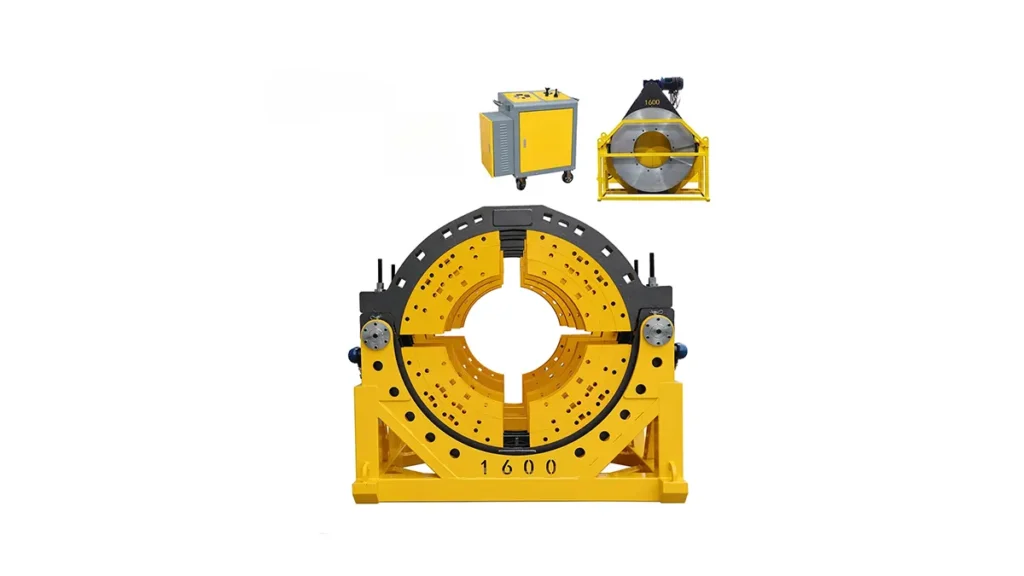
Hydraulic HDPE pipe welding machines are the backbone of reliable polyethylene pipeline installation. This guide explains how hydraulic butt fusion welders work, what to look for when buying one, and practical tips for safe, durable joints. Whether you manage municipal water networks, gas distribution projects, or industrial piping, understanding these machines will help you improve productivity and weld quality.
How Hydraulic HDPE Pipe Welding Machines Work
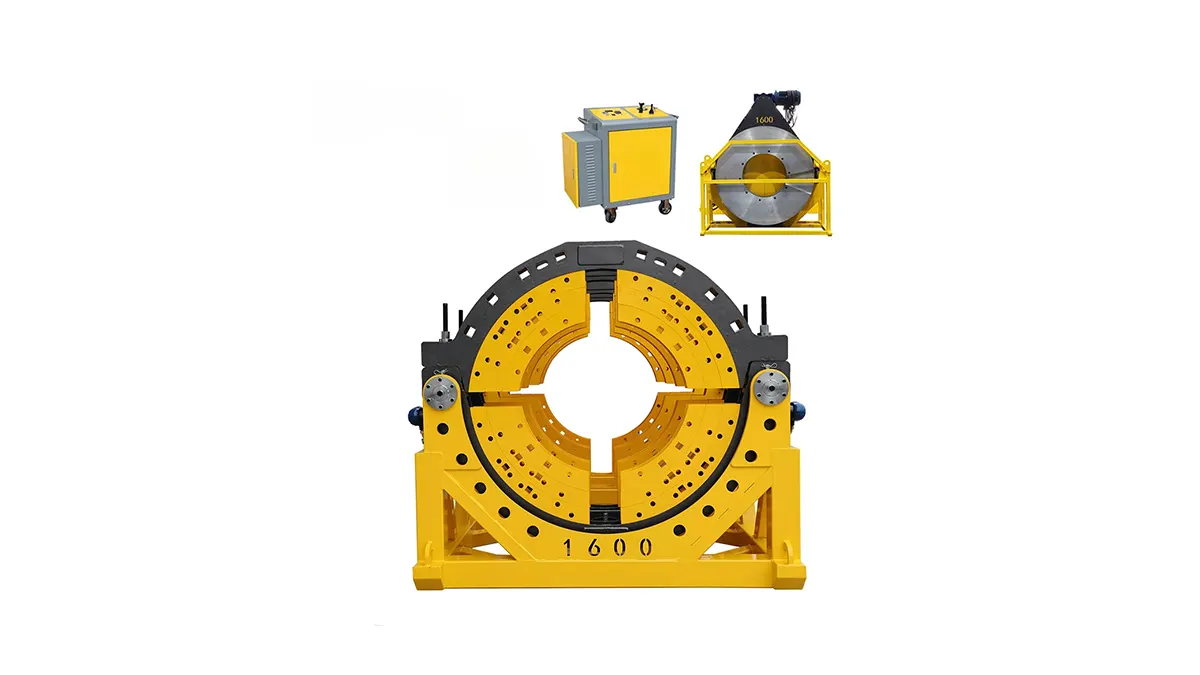
Hydraulic butt fusion machines align, face, heat, and press two HDPE pipe ends until the molten surfaces fuse into one continuous, pressure-tight joint. The hydraulic system controls the axial force and precise movement during heating and fusion phases, delivering consistent pressure for larger-diameter pipes and heavy-duty applications. Typical workflows include clamping, facing (trimming), heating with a calibrated plate, fusion under controlled pressure, and cooling under sustained force.
Key Advantages
- High and consistent fusion pressure — ideal for medium to large diameter pipes where manual systems struggle.
- Improved weld uniformity — hydraulic control reduces human variability in critical fusion steps.
- Adaptable for onsite work — many units feature transportable frames and modular clamps.
- Suitable for long-term infrastructure projects due to durability and repeatability.
Quick Comparison Table (Typical Specs)
| Model | Pipe Dia (mm) | Hydraulic Force | Power | Best Use |
|---|---|---|---|---|
| JQH160 / small | 20–160 | Low–Medium | Electric | Service lines, small utilities |
| JQH500 | 75–500 | Medium | Electric/Hydraulic | Municipal water, irrigation |
| JQH1600 / large | 400–1600+ | High | Hydraulic Power Pack | Long pipelines, industrial and mining projects |
Buying Guide: Choose the Right Machine
When selecting a hydraulic HDPE welding machine, evaluate these critical factors:
- Pipe diameter range — match the machine’s clamp and carriage capacity to your typical project sizes.
- Hydraulic capacity and control accuracy — look for precise pressure gauges and adjustable flow to meet fusion standards.
- Heater plate quality — durable, uniform-heating plates with reliable temperature control yield consistent welds.
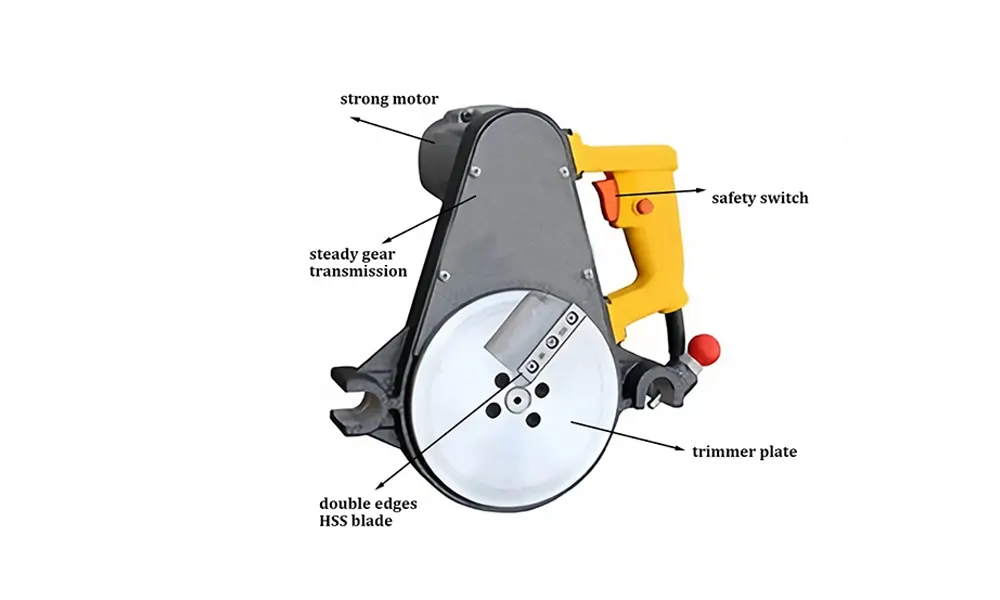
- Facing tool performance — clean, square faces are essential; integrated trimmers save time onsite.
- Mobility and setup time — modular frames and easy transport reduce downtime for remote projects.
- Compliance with local welding standards and certification compatibility for your market.
Operation & Safety Best Practices
Pre-checks: Inspect clamps, hydraulic hoses, heater plate surface, and power pack. Verify pipe alignment and cleaning. Use correct fusion parameters (temperature, soak time, consolidation) for the pipe material and diameter.
Step-by-step fusion overview: Face both pipe ends; preheat the plate to specified temperature; allow correct heating time without applying excess force; press and hold under required pressure for the fusion period; cool with sustained pressure to prevent stress.
Safety: Wear PPE, avoid direct contact with heater plate, check hydraulic fittings periodically, and keep the work area clear of unauthorized personnel.
Common Troubleshooting
- Cold welds — typically caused by insufficient heating temperature or time; verify heater calibration.
- Excessive flashing or deformation — reduce fusion pressure or shorten heating time.
- Uneven weld bead — check pipe alignment, clamp wear, and facing tool condition.
- Hydraulic slippage or leaks — inspect seals and hoses, maintain proper fluid level and cleanliness.
Where to Source Reliable Equipment
For dependable hydraulic butt fusion machines and after-sales support, consider established manufacturers that offer a range of manual, hydraulic, and CNC automatic models along with spare parts and service options. JQ-Fusion provides professional HDPE pipe welding machines and fusion solutions for a wide range of pipe sizes and infrastructure needs: JQ-Fusion.



