
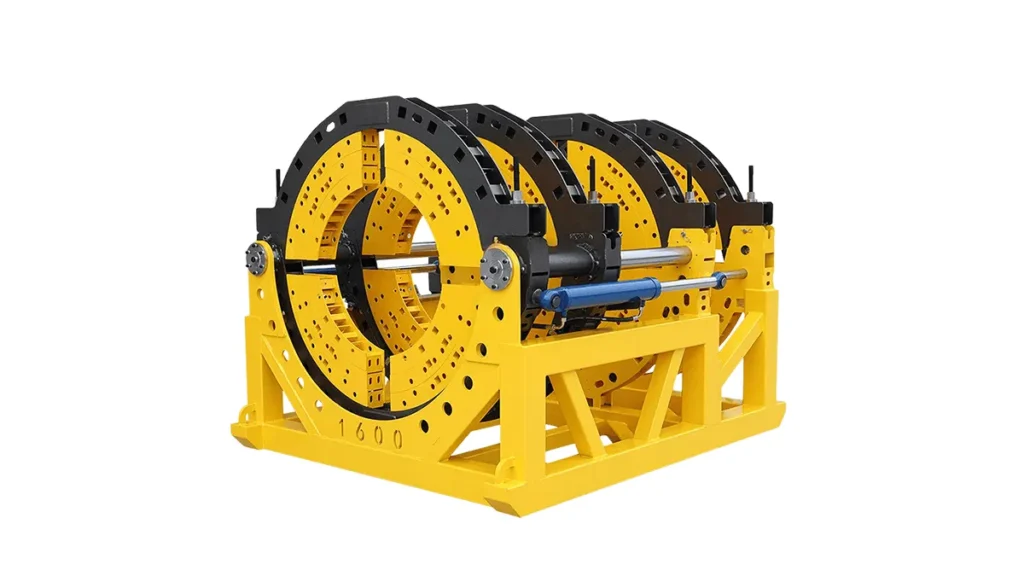
Why PE Pipe Fusion Equipment Matters
Choosing the right PE (polyethylene) pipe fusion equipment determines long-term pipeline integrity, installation speed, and safety. Whether you install water supply, gas distribution, mining pipelines or industrial systems, the correct welding machine reduces rework, saves labor, and ensures consistent joint strength.
Common Fusion Methods for PE Pipes
Butt fusion and electrofusion are the two primary joining methods. Butt fusion melts pipe ends under controlled pressure and temperature to form a homogeneous joint. Electrofusion uses pre-made fittings with embedded heating elements for a fast, reliable connection—ideal for repairs and confined spaces.
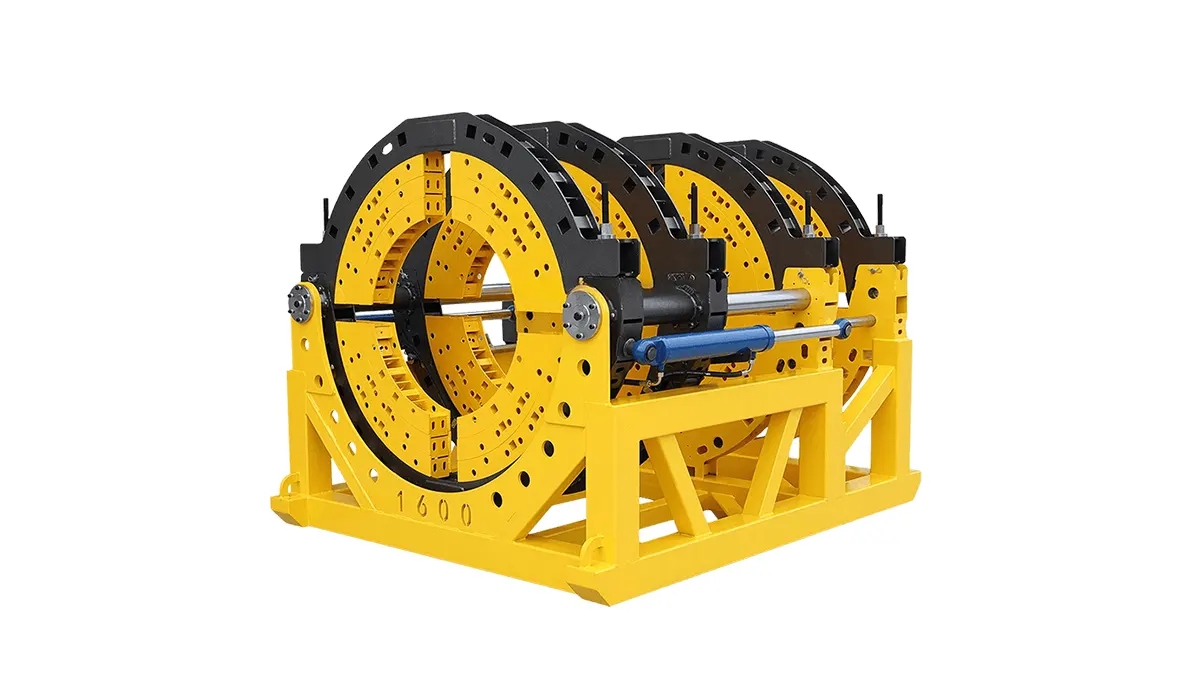
Types of PE Pipe Welding Machines
Manual machines are simple, portable, and cost-effective for small jobs. Hydraulic machines provide consistent pressure control for medium to large diameters. Automatic / CNC machines deliver precise, repeatable cycles for high-volume or critical projects. Electrofusion units are specialized for fittings and tight-access work.
Quick Comparison
| Machine Type | Best For | Key Benefit |
|---|---|---|
| Manual Butt Fusion | Small diameter jobs, remote sites | Low cost, portable |
| Hydraulic Butt Fusion | Medium to large diameters | Stable pressure control |
| Automatic/CNC Butt Fusion | Large projects, high throughput | Precision & repeatability |
| Electrofusion | Repairs, fittings, constrained sites | Convenience & controlled heating |
How to Choose the Right Welding Machine: Step-by-Step
Follow a structured checklist to match equipment to your project needs.
1. Define Pipe Diameter & Material
Identify the pipe sizes and SDR/PE grade. Manual machines suit 20–315mm ranges; hydraulic and automatic systems cover larger diameters up to and beyond 2000mm depending on model and frame configuration.
2. Assess Project Scale & Throughput
For single-site or occasional work, choose portable manual or small hydraulic units. For pipeline contractors and utilities requiring consistent cycle times, invest in automatic/CNC equipment to reduce operator dependency and increase daily output.
3. Consider Mobility & Site Conditions
If you work in tight trenches or remote areas, select compact, easy-to-transport machines and fuel-efficient power options. Electrofusion machines are particularly useful where access to both pipe ends is limited.
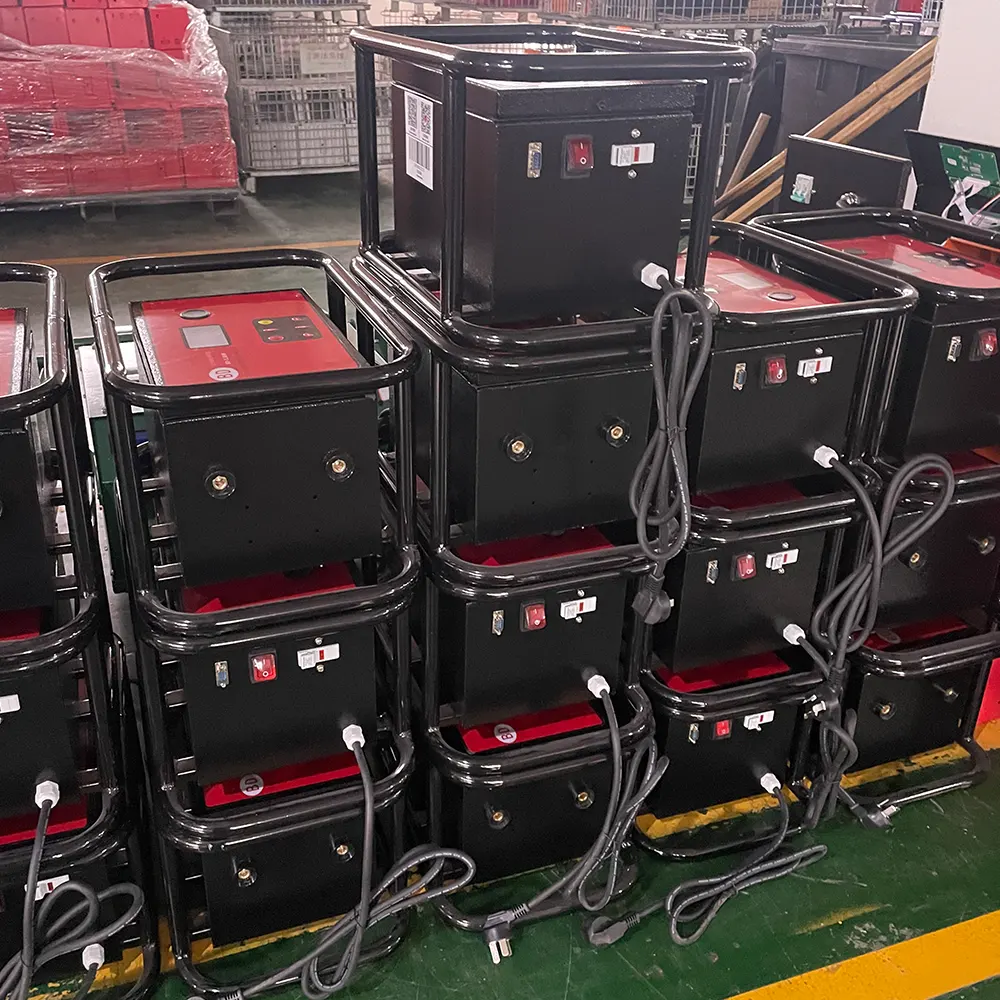
4. Automation vs Manual Control
Automation reduces human error and is well worth the premium for repeated, high-stakes welds. Manual or semi-automatic systems remain valuable where costs and portability take priority.
5. Power & Heating Method
Verify voltage and power compatibility for your region and site. Choose heater plates and electrofusion units that meet local electrical safety standards and can perform under temperature extremes.
6. Standards, Certification & Traceability
Look for machines and processes compliant with ISO, ASTM or local industry standards. Digital weld logs and traceable parameters are essential for high-value infrastructure projects.
Budgeting and Total Cost of Ownership
Upfront cost is important but consider consumables, spare parts, training, and calibration. Automatic machines cost more initially but lower labor and rework expenses over a long campaign.
Example Cost Factors
| Item | Impact |
|---|---|
| Machine Purchase | Capital expense; model-dependent |
| Training & Certification | Reduces weld failures; required by many clients |
| Spare Parts & Consumables | Heating plates, clamps, electrofusion fittings |
| Service & Calibration | Maintains quality and warranty validity |
Maintenance, Training & Best Practices
Routine cleaning of heater plates, correct clamp alignment, and scheduled calibration keep weld quality high. Provide operators with certified training and documented welding procedures to ensure compliance and reduce risk.
Buying Checklist: Must-Haves
– Compatible pipe diameter range and SDR capability
– Reliable pressure/heating control and safety features
– Digital logging or weld record export (where required)
– Spare part availability and service network
– Operator training and clear operation manual
FAQs
Can one machine handle all diameters?
Most machines have a working range; adapters and frames extend capability but a single unit rarely covers every diameter efficiently. Choose based on the most common sizes you encounter.
How important is digital weld logging?
Extremely important for critical infrastructure and warranty acceptance. Digital logs provide proof of correct parameters and support traceability.
Where to Source Reliable PE Fusion Equipment
For manufacturers and suppliers, consider a partner with proven product lines, after-sales support, and global delivery capability. JQ-Fusion offers a broad range of manual, hydraulic, and automatic butt fusion machines and electrofusion units for diverse pipeline needs.
Next Steps
Match your pipe sizes and site conditions to the machine type, verify standards compliance, and request sample weld data or a demonstration. Investing time in selection and training pays dividends in long-term pipeline performance.



