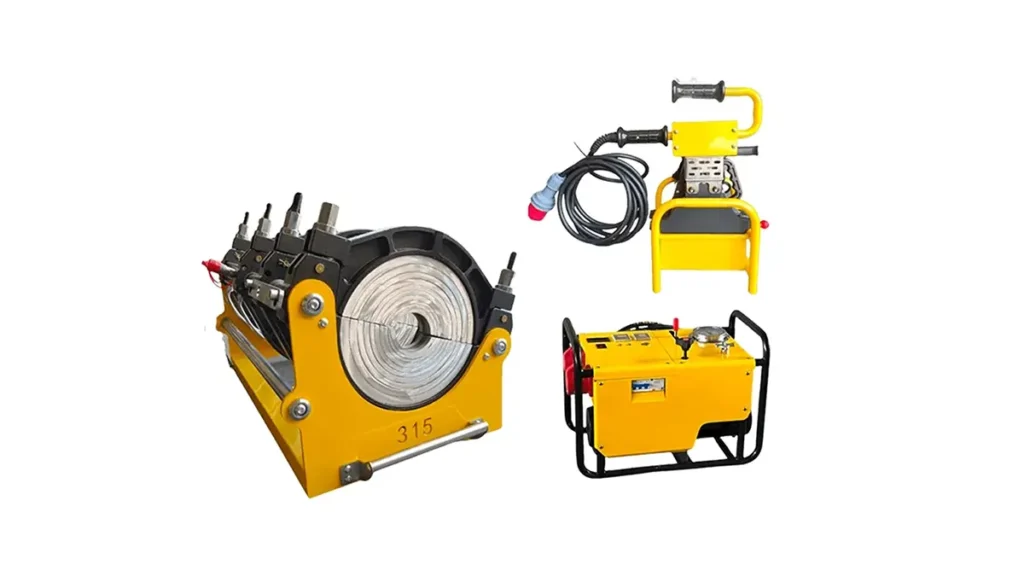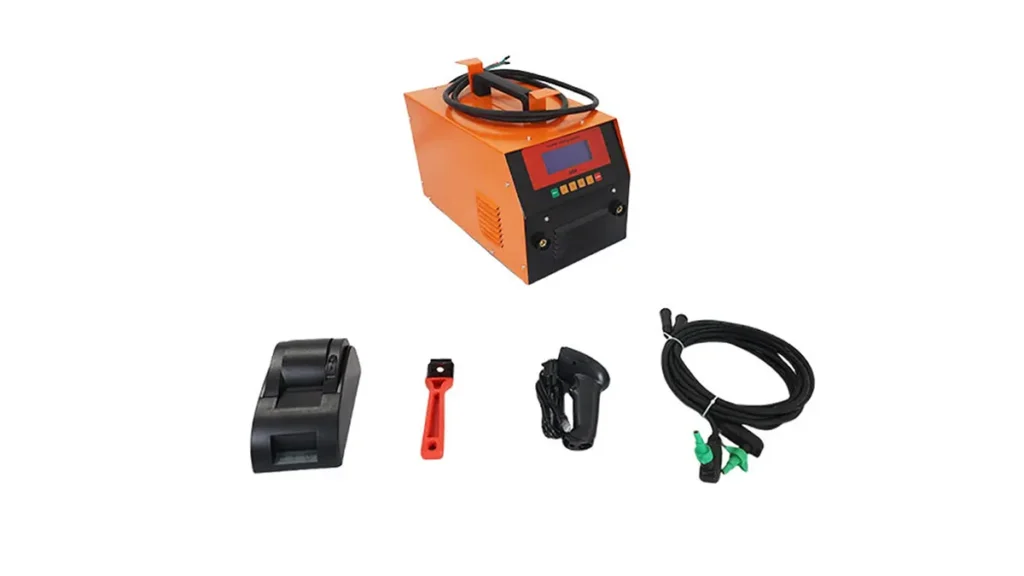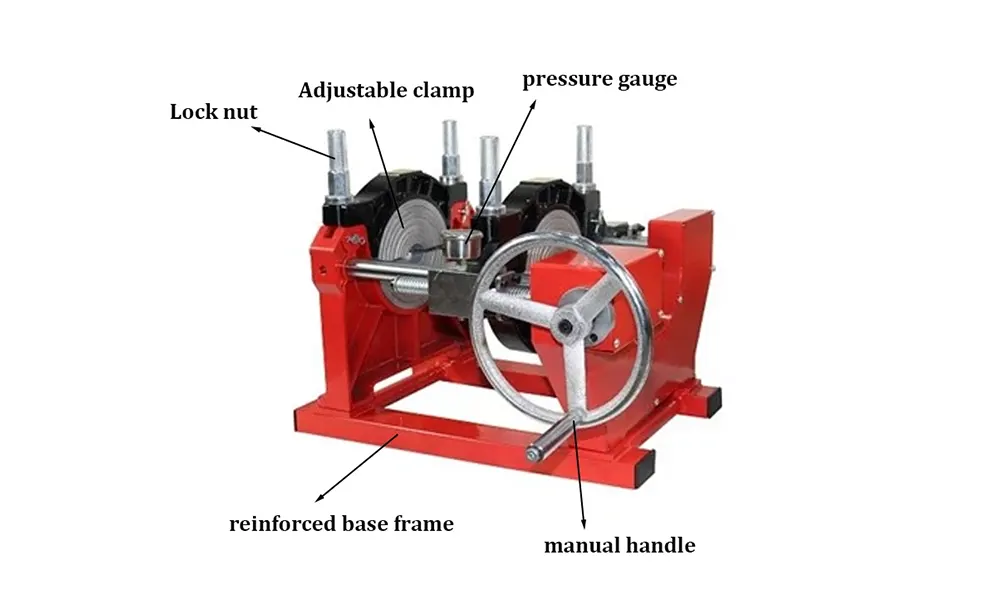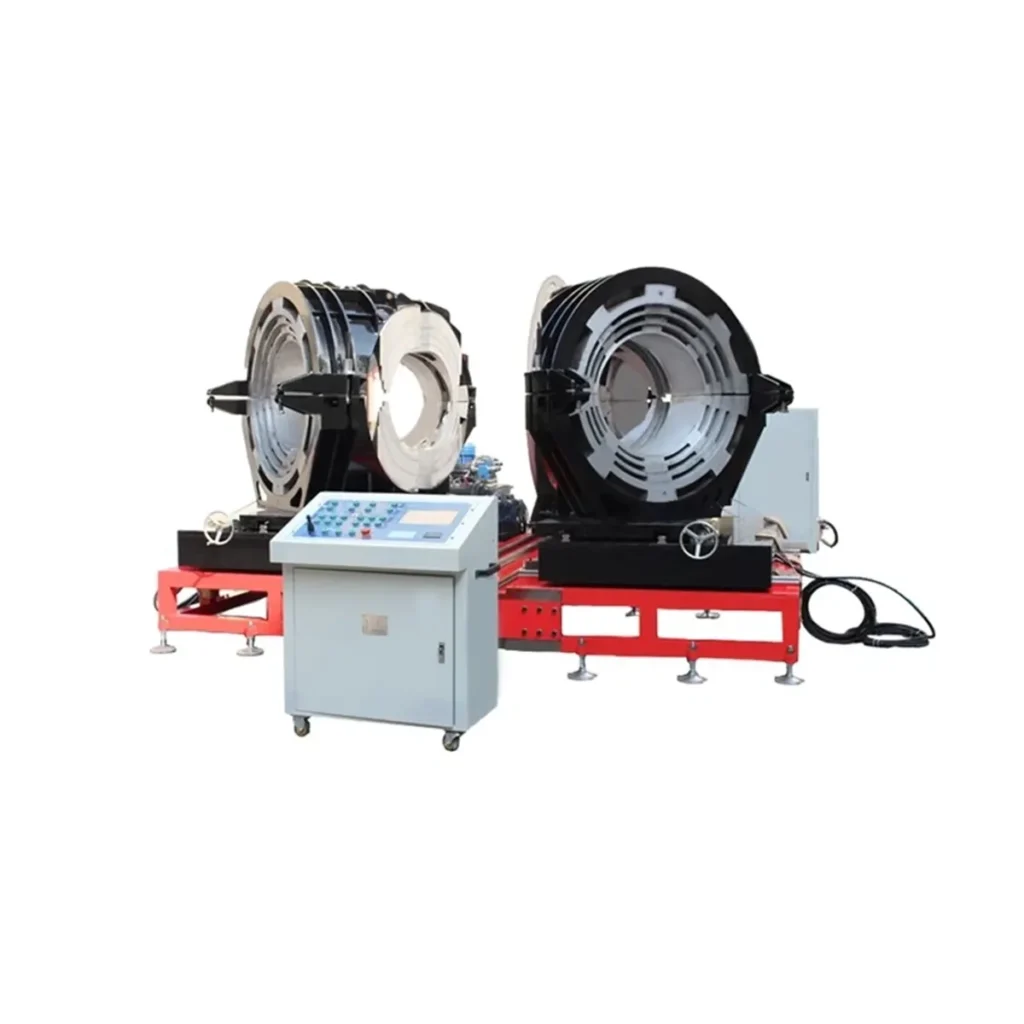
Hot fusion (butt fusion) welding for PE/HDPE pipes is the industry standard for creating reliable, leak-free joints in water, gas, and industrial pipeline systems. This guide walks you through a clear, SEO-friendly step-by-step process so field crews and contractors can achieve consistent, strong welds every time.
Why Hot Fusion Matters for PE Pipes
Hot fusion produces homogeneous joints by melting pipe ends and pressing them together under controlled pressure and temperature. Compared with mechanical fittings or electrofusion for some applications, butt fusion delivers higher structural integrity, long service life, and minimal maintenance when done correctly.
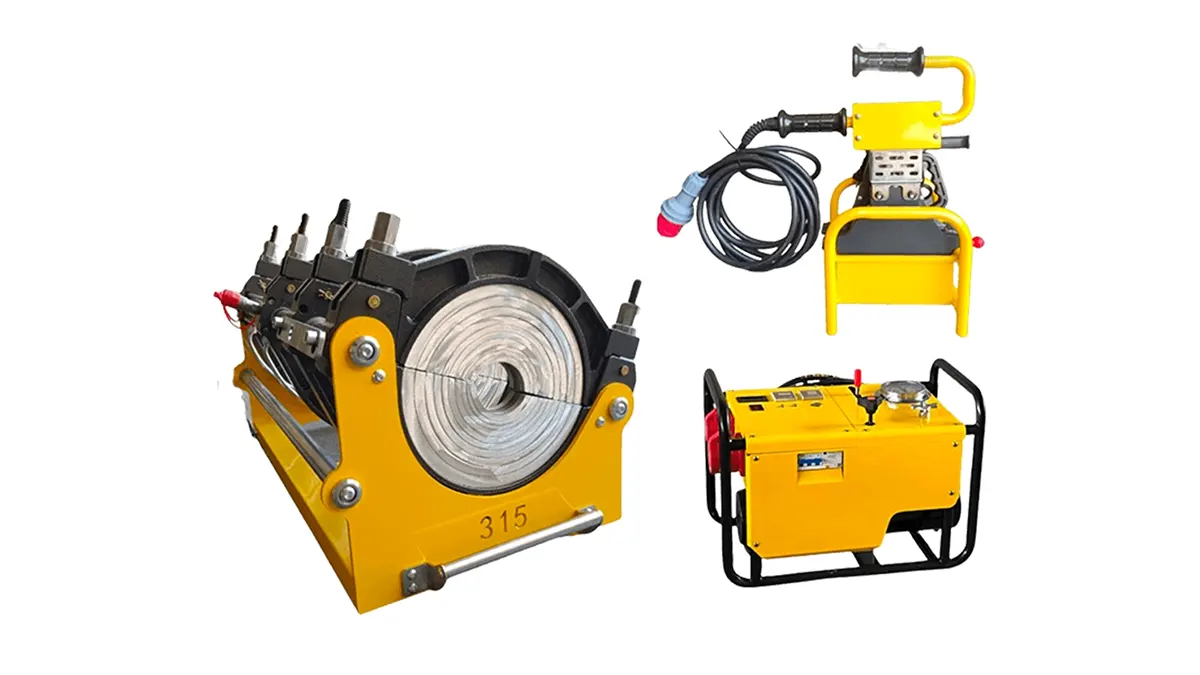
Essential Equipment & Materials
- Butt fusion machine (manual, hydraulic, or automatic)
- Facing tool / pipe trimmer
- Heater plate with accurate temperature control
- Alignment clamps and clamps carriage
- Clean wiping cloths and degreaser
- Protective gear: gloves, face shield, safety boots
Quick Machine Selection Tips
Choose a unit that matches your pipe diameter range and site conditions. For large-diameter mains and repeated production welds, consider an automatic or hydraulic machine for consistent pressure control and data logging.
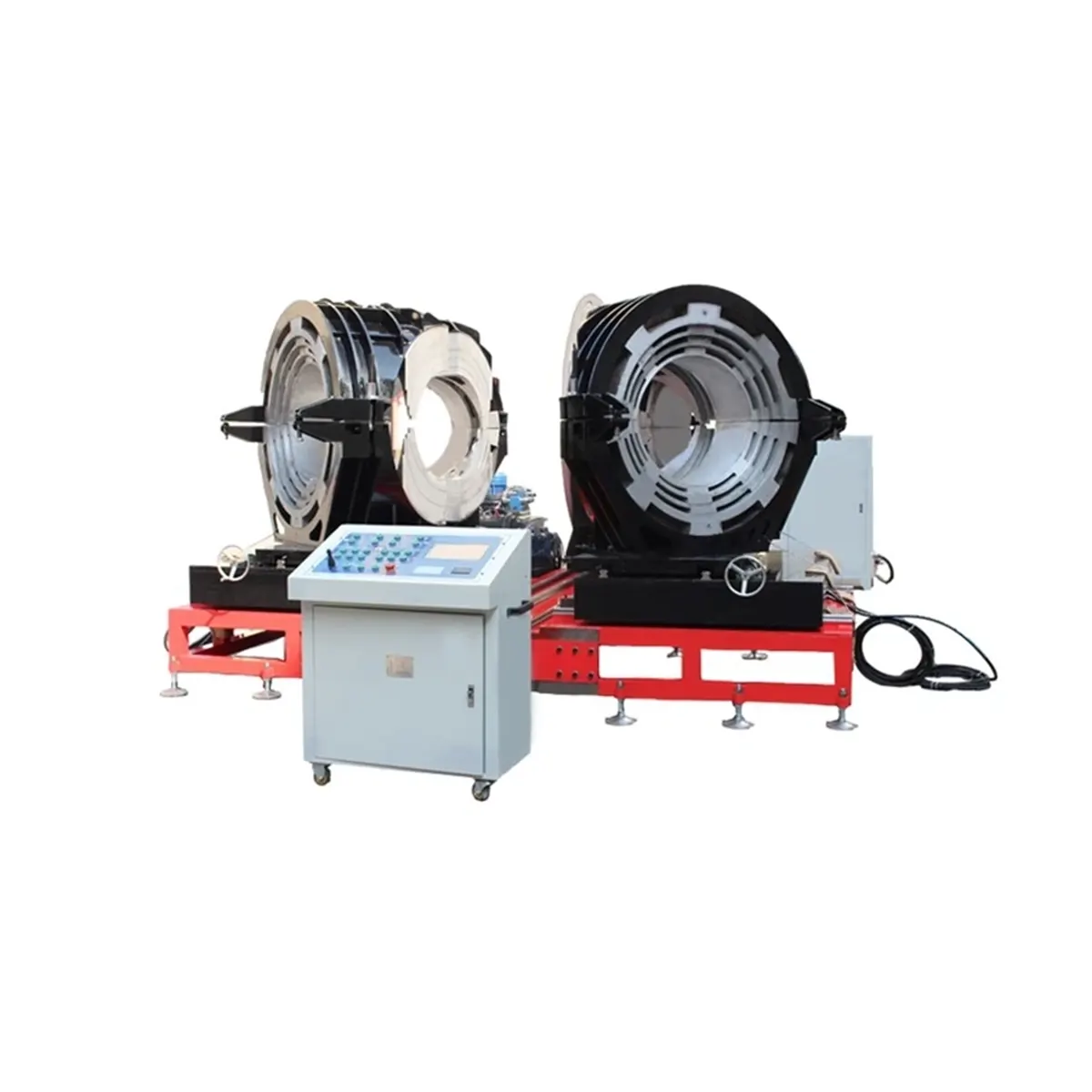
Step-by-Step Hot Fusion Welding Procedure
Step 1 — Site Preparation & Safety
Ensure a level, clean working area. Isolate the pipe section, depressurize the line (if applicable) and follow local safety regulations. Always wear protective equipment and keep a designated area for the heater plate away from combustibles.
Step 2 — Inspect and Measure
Check pipes for cracks, contamination, or severe ovality. Measure wall thickness and diameter to confirm they fall within the machine’s working range. Remove any foreign material from the ends.
Step 3 — Align and Clamp
Insert pipes into the clamps and bring ends together. Use alignment devices to maintain axial and angular alignment. Proper alignment prevents weld defects and ensures even fusion.
Step 4 — Facing / Trimming
Use a facing tool to trim the pipe ends until they are square and parallel. Remove any melt beads or irregularities. Clean swarf and use a lint-free cloth to remove debris.
Step 5 — Heating
Press the prepared pipe ends against the heated plate with light pressure. Follow recommended heater temperature settings for the pipe material (commonly 200–240°C for PE). Monitor the time closely to avoid overheating. Uniform surface melt across both ends is required.
Step 6 — Fusion (Joining)
Remove the heater plate and immediately bring the molten pipe ends together using a steady, controlled pressure. Maintain axial alignment and follow the specified fusion force and time. Avoid axial displacement during the cooling phase.
Step 7 — Cooling
Hold the joint under pressure until the weld cools below the recommended temperature. Cooling time depends on pipe diameter and ambient conditions. Do not disturb or move the joint prematurely.
Step 8 — Visual Inspection & Bead Removal
Inspect the weld bead for uniformity, height, and continuity. Small flash can be trimmed, but any signs of voids, incomplete fusion, or asymmetry indicate a potential defect requiring corrective action.
Step 9 — Pressure Test & Documentation
Perform hydrostatic or pneumatic testing per project specifications. Record machine settings, heater temperature, fusion time, pressure, and operator. Accurate documentation supports quality assurance and traceability.
Recommended Welding Parameters (Reference)
| Pipe Diameter (mm) | Heater Temp (°C) | Heating Time (s) | Fusion Pressure (bar) | Cooling Time (min) |
|---|---|---|---|---|
| 63–160 | 200–220 | 20–60 | 0.2–0.8 | 3–15 |
| 160–315 | 200–230 | 60–240 | 0.5–1.5 | 15–60 |
| >315 | 210–240 | 120–600 | 1.0–3.0 | 30–120 |
Common Troubleshooting & Best Practices
- Uneven bead: Recheck alignment and facing. Incomplete facing causes high beads on one side.
- Cold weld: Increase heater temp/time or inspect heater plate for damage.
- Excessive flash: Reduce fusion pressure or verify correct heating time.
- Keep tools and heater plates clean to avoid contamination and degraded weld quality.
Maintenance Checklist for Consistent Results
Regularly calibrate the heater thermostat, inspect clamps and facing cutters, and replace worn parts. A well-maintained machine reduces rework and improves weld repeatability.
Final Notes for Contractors and Field Crews
Document every weld with machine settings and visual records. Train operators on machine-specific procedures and local codes. With disciplined practice and equipment care, butt fusion creates joints that meet rigorous pipeline standards and deliver long-term, leak-free performance.
Manufacturer Reference
For specialized butt fusion equipment and global support, contact JQ-Fusion at https://jq-fusionwelding.com/ for product selection and service.