
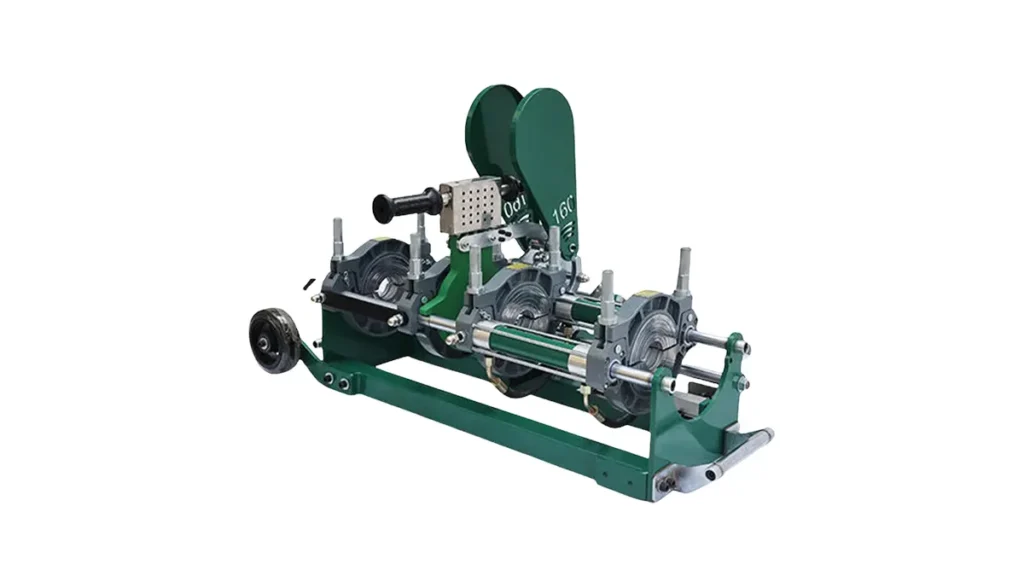
PE pipe fusion machines (butt fusion welding machines) are essential for joining HDPE and PE pipes used in water supply, gas distribution, mining and industrial piping. This guide explains types, selection criteria, step-by-step operation, maintenance, safety, and buying tips so you can choose and use the right welding equipment for reliable pipeline joints.
What Is a PE Pipe Fusion Machine?
PE pipe fusion machines heat and fuse the ends of thermoplastic pipes (PE, HDPE, PP) to create homogeneous, leak-free joints. The most common method is butt fusion, which aligns two pipe ends, heats them with a hot plate, then presses them together under controlled pressure until they cool and fuse into a single continuous piece.
Common Fusion Machine Types
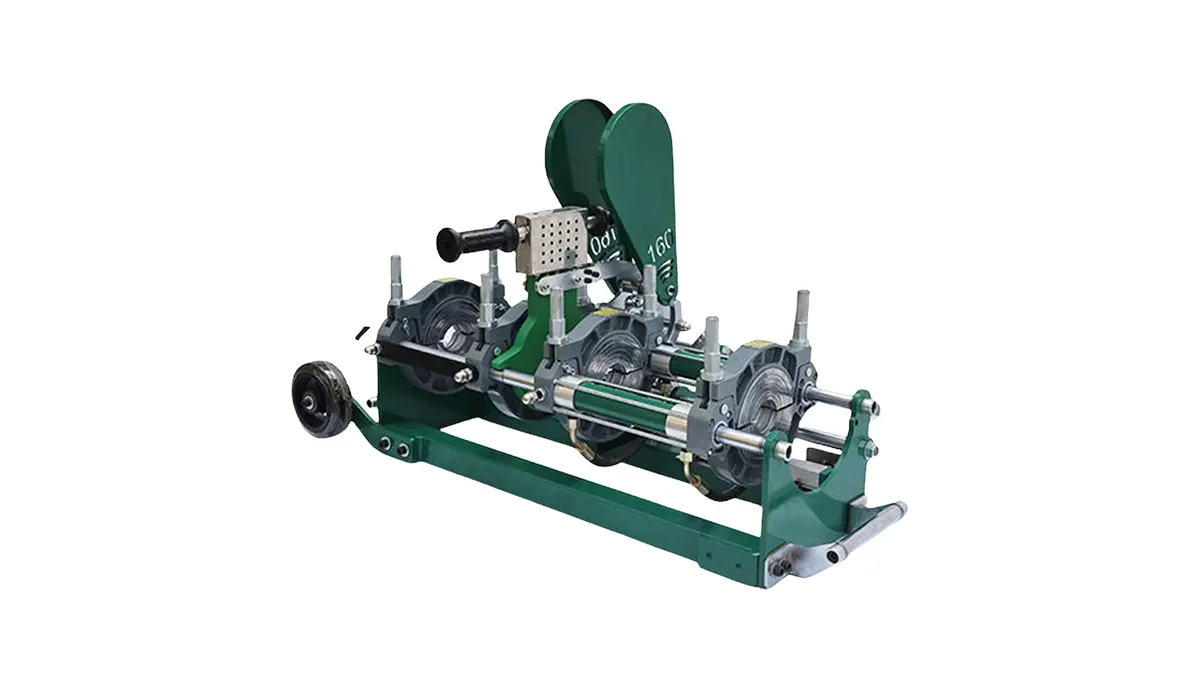
Manual — Simple, portable machines for small-diameter pipes and field repairs.
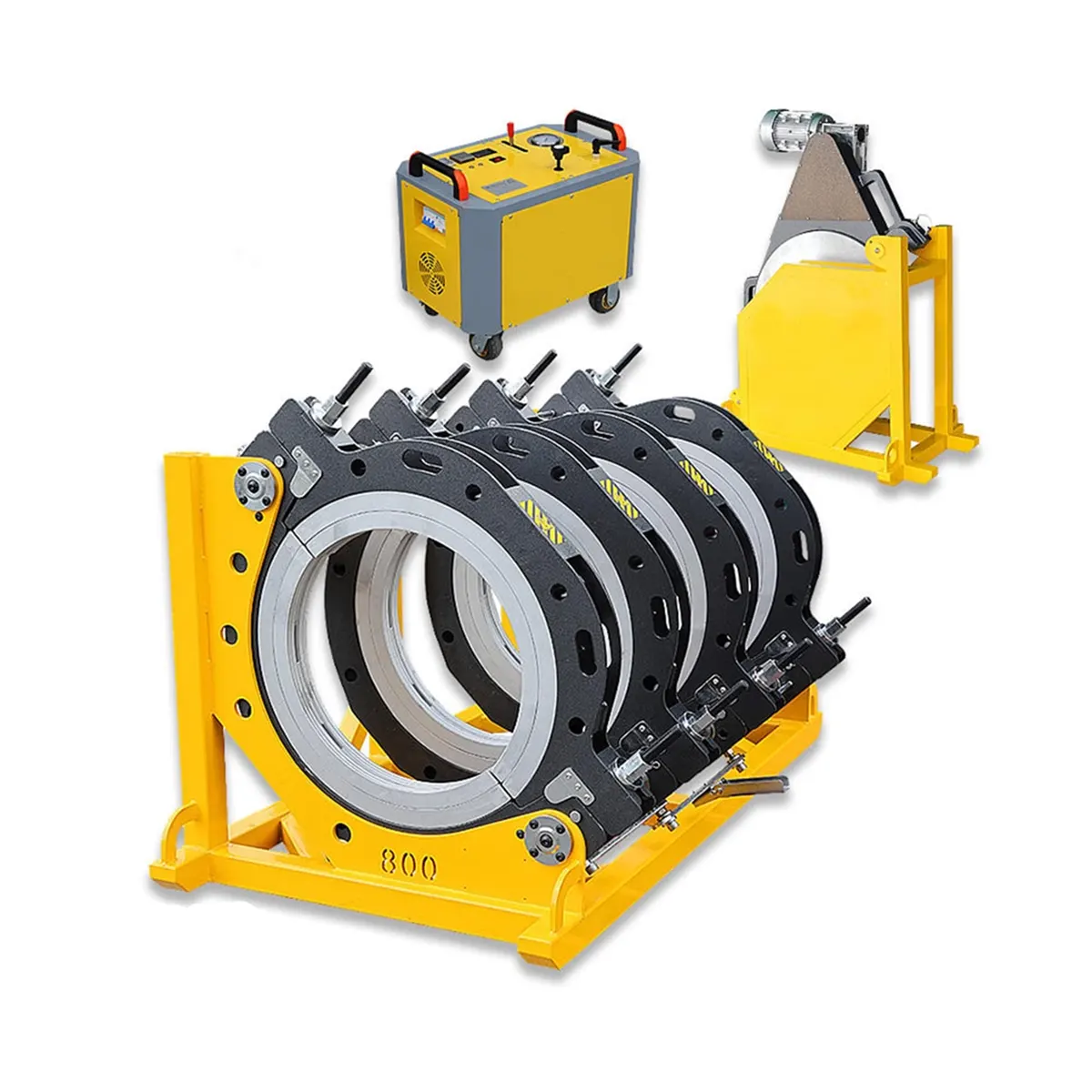
Hydraulic — Provide steady, controlled pressure for medium to large pipes; ideal for construction and municipal projects.
Automatic / CNC — Automated control of alignment, heating, and fusion steps for high repeatability and increased productivity on large or high-volume jobs.
How to Choose the Right Welding Equipment
Choosing the right machine depends on your pipe sizes, job frequency, budget, and accuracy requirements. Consider these core factors:
Pipe Diameter Range
Match the machine to the pipe diameter range you work with most. Manual units work well up to ~280mm; hydraulic and automatic units cover larger ranges up to several meters in diameter.
Work Environment and Mobility
Fieldwork needs lightweight, portable models. Stationary shop work benefits from larger hydraulic or CNC systems with greater precision and throughput.
Precision & Documentation
For critical utilities where quality records matter, choose CNC/automatic machines that log parameters (temperature, time, pressure) to ensure compliance with standards.
Quick Comparison Table
| Model / Type | Typical Pipe Range | Power | Best For |
|---|---|---|---|
| Manual Bench Units | 20mm – 315mm | Low (Manual) | Repairs, low-volume jobs |
| Hydraulic Fusion Machines | 63mm – 2000mm+ | Medium | Construction, municipal pipelines |
| Automatic / CNC | 63mm – 1600mm+ | Higher (Electric/Hydraulic) | Large projects, documentation & QA |
Step-by-Step Butt Fusion Process (Field Best Practice)
1. Preparation
Inspect pipe ends for defects, clean surfaces, and ensure correct alignment. Use clamps and alignment tools to eliminate angle errors.
2. Facing / Trimming
Use a face mill to square pipe ends. Accurate facing prevents weak joints. Check for burrs and contaminants after trimming.
3. Heating
Bring the hot plate to the correct temperature for your material (usually specified by material standard). Apply even contact and monitor time and temperature.
4. Fusion & Cooling
Press pipe ends together under steady pressure for the required upset. Allow sufficient cooling time under clamped pressure before moving the joint.
Maintenance and Troubleshooting
Routine maintenance extends machine life and ensures consistent weld quality. Key actions:
- Daily: Clean heating plate, check hydraulic oil level, inspect clamps and alignment tools.
- Weekly: Test heater thermostat accuracy, inspect hoses and seals.
- Seasonal / Annual: Replace hydraulic oil/filter, calibrate pressure sensors, verify controller software updates.
If inconsistent bead formation, re-check facing accuracy, heating temperature, and hold pressure. Small variances in any of these often cause weak joints.
Safety Tips
Fusion work involves high temperatures, hydraulic pressure, and heavy components. Follow these rules:
- Wear heat-resistant gloves, safety glasses, and protective clothing.
- Keep bystanders clear during heating and fusion.
- Relieve hydraulic pressure before maintenance.
- Use certified lifting equipment for large-diameter machines and pipes.
Buying Guide & Cost Considerations
Budgeting should account for the machine, essential accessories (face mill, heating plate, clamps), training, and documentation tools. Invest in a machine that fits your typical project scope — under-investing can cause downtime and rework, while over-investing increases unnecessary capital cost.
For businesses seeking reliable equipment and after-sales support, consider manufacturers with proven track records and spare parts availability. JQ-Fusion (https://jq-fusionwelding.com/) is a professional manufacturer specializing in HDPE pipe welding machines, offering manual, hydraulic, and CNC automatic butt fusion solutions across a wide pipe size range.
Warranty & Support
Check warranty coverage, spare parts lead times, and local service networks. Training and on-site commissioning are valuable to ensure correct machine use from day one.
Key Takeaway
Select a fusion machine that matches pipe size, production needs, and documentation requirements. Proper training, maintenance, and safety adherence guarantee consistent, long-lasting fusion joints for PE piping systems.
Further Resources
For model options, spare parts and custom solutions, visit the manufacturer’s website provided above or request a datasheet to compare machine specs and services before purchase.



