
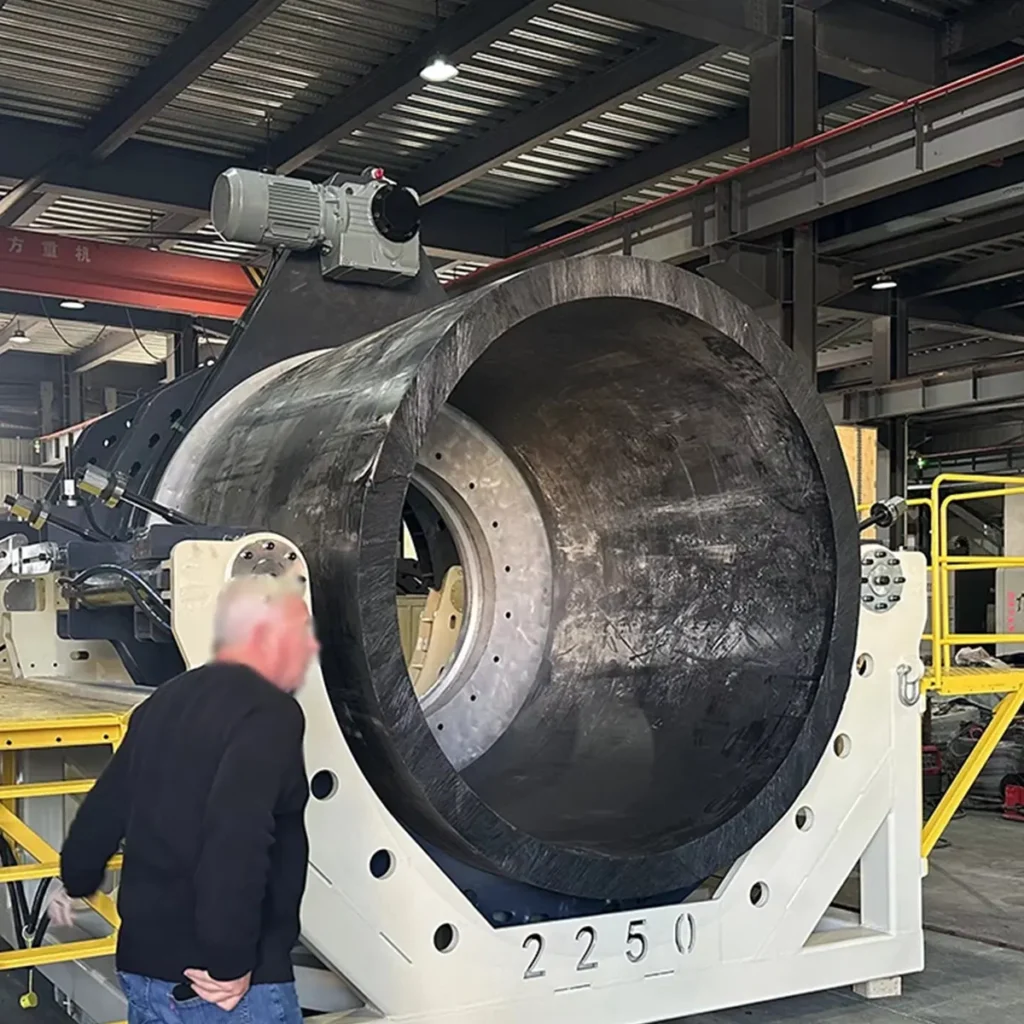
Choosing the wrong welding machine for pipeline construction can cause costly delays, weak joints, and safety hazards. This guide helps contractors, engineers, and procurement teams identify common selection mistakes and choose the right equipment for consistent, high-quality butt fusion and electrofusion of HDPE pipes.
Common Selection Mistakes That Hurt Project Results
Assuming one machine fits all pipe sizes. Many buyers pick a mid-range unit without matching the machine’s clamping range and force capacity to the actual pipe diameters and SDRs used on site.
Overlooking site conditions and mobility needs. A heavy, stationary unit may be unsuitable for remote or uneven terrain, leading to additional logistics costs and workflow disruption.
Ignoring automation level and user skill. Manual machines require more operator skill and produce variable results; fully automatic CNC machines reduce human error but add upfront cost and training requirements.
Focusing on price over heater and clamp quality. Inferior heating plates, imprecise trims, and weak clamps lead to poor fusion surfaces and non-compliant joints.
Neglecting power and hydraulic specifications. Inadequate power supplies or undersized hydraulic systems produce inconsistent pressure and slow cycle times.
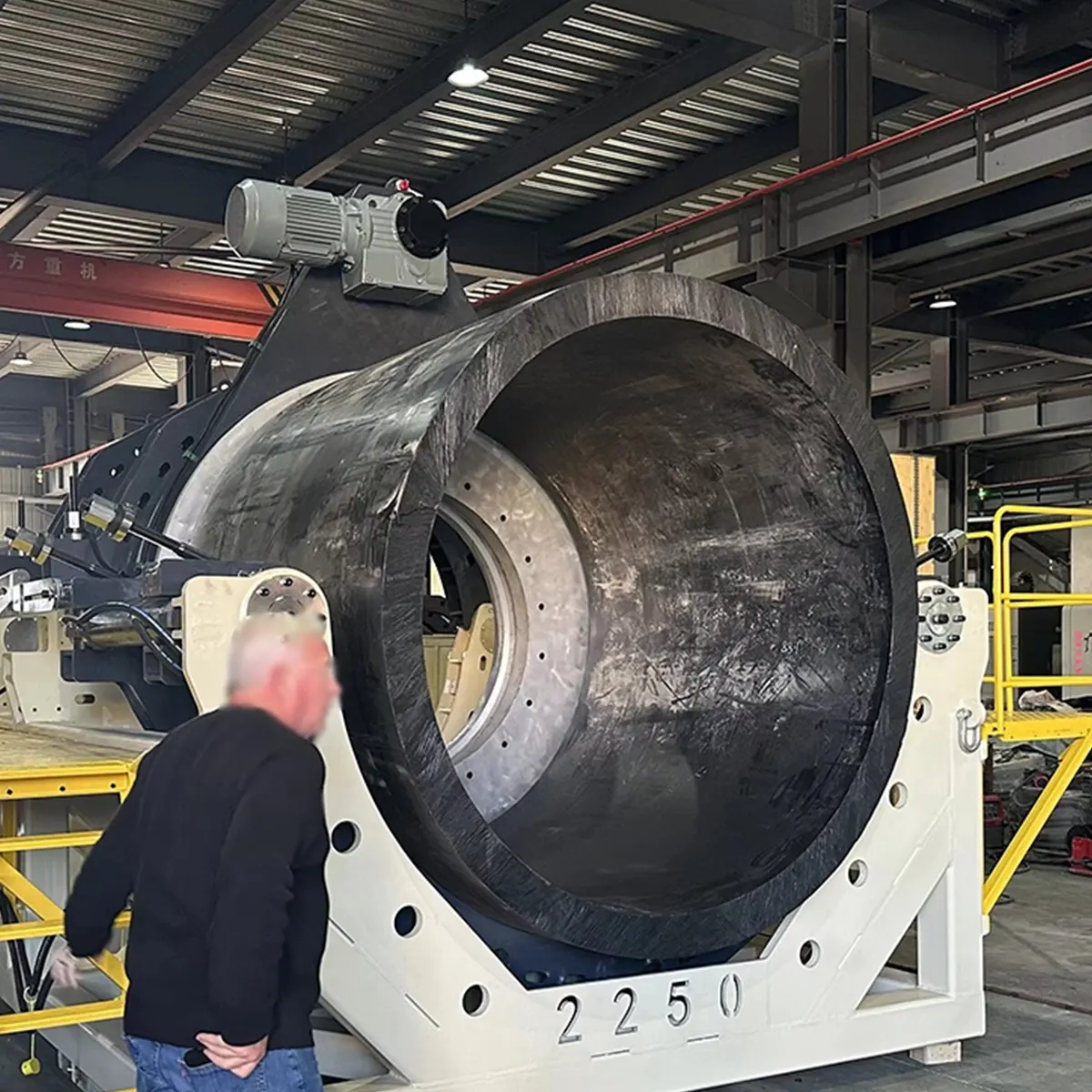
How to Choose the Right Machine: Practical Factors to Compare
1. Match capacity to your pipeline profile. Verify the machine’s clamping range, clamping force, and heating plate diameter align with the pipes’ outer diameters and SDR values you plan to weld.
2. Consider automation vs. manual operation. For repeatable precision on large projects, choose semi-automatic or automatic machines with programmable parameters. For small, occasional jobs a manual model can be cost-effective if operators are experienced.
3. Check heating plate and trimmer quality. Look for uniform heating plates with quick recovery and accurate temperature control, plus sturdy trimmers that keep faces square and clean.
4. Confirm hydraulic and power specs. Ensure the hydraulic pump delivers consistent pressure and stroke, and that voltage requirements match site power. Portable generator compatibility is helpful for remote worksites.
5. Evaluate clamping system and alignment accuracy. Rigid clamps, precise alignment guides, and anti-slip jaws reduce the chance of misalignment and cold welds.
6. Review safety features and compliance. Emergency stops, protective guards, and adherence to international welding standards improve on-site safety and acceptance by inspectors.
Quick Comparison Table: Mistakes vs. Impact and Right Choice
| Common Mistake | Impact | Correct Choice |
|---|---|---|
| Wrong capacity | Joint failures, rework | Match clamp range & force |
| Cheap heater/trimmer | Uneven melts, leaks | High-quality heater & trimmer |
| Ignoring site power | Downtime, poor performance | Verify voltage & generator needs |
| No training plan | Operator errors, inconsistent welds | Choose vendor with training/support |
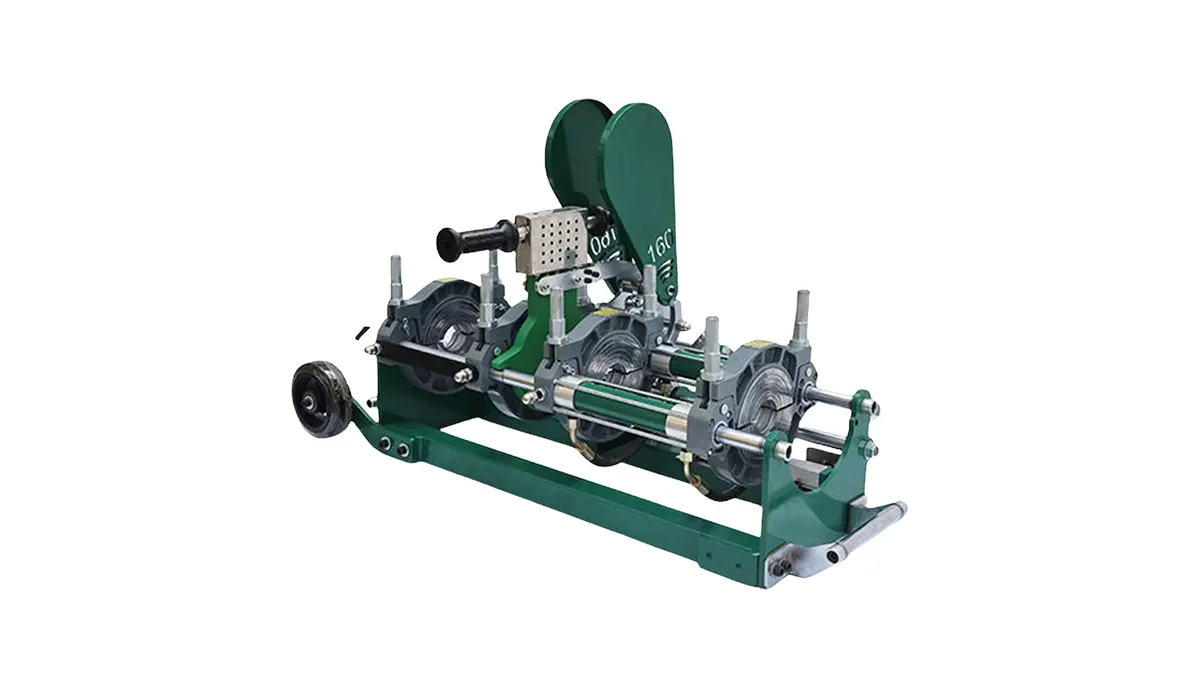
Purchase Checklist: Ensure Better Results
✓ Confirm clamping range and maximum pipe diameter to be welded.
✓ Verify heating plate temperature accuracy and replacement availability.
✓ Check hydraulic specs, pressure control accuracy, and cycle speed.
✓ Ensure portability or modular transport options for field deployment.
✓ Ask about on-site training, spare parts availability, and local service support.
Final Practical Tips
Invest in capability, not just the lowest price. For long-term reliability and consistent weld quality, prioritize machines with proven heater systems, robust hydraulics, and suitable automation. If you need a reliable manufacturer with a range of manual, hydraulic, and CNC automatic butt fusion machines covering small to very large diameters, consider contacting JQ-Fusion for model recommendations and project-matching solutions.



