
Wholesale buyers looking for reliable HDPE welding equipment need a clear, practical guide to select machines that deliver consistent pipe fusion quality, reduce downtime, and maximize ROI. This guide covers the key machine types, purchasing criteria, maintenance tips, and commercial considerations to help distributors, contractors, and procurement teams make informed decisions.
Top HDPE Welding Machine Types for Wholesale Distribution
Understanding the main categories helps wholesalers build a balanced product portfolio. Each type targets different project scales and customer needs:
- Manual Butt Fusion Machines – Compact, cost-effective, ideal for small-diameter pipes and local contractors.
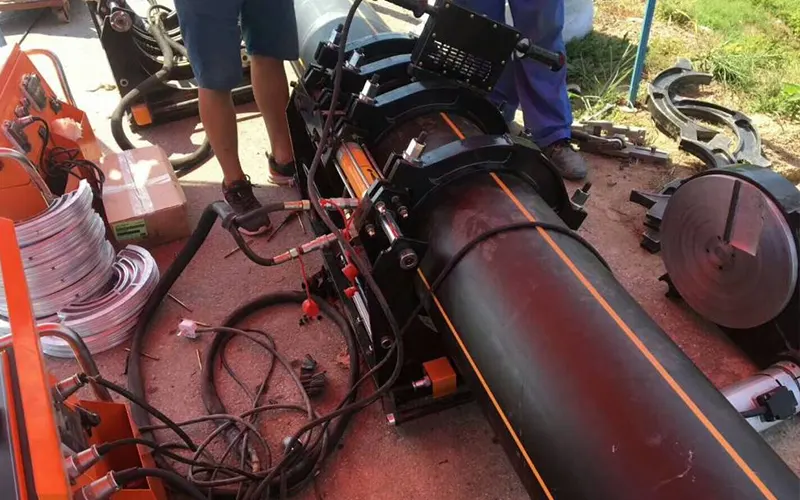
- Hydraulic Butt Fusion Machines – Mid-to-large diameter capability, consistent pressure control for industrial and municipal projects.
- Automatic/CNC Butt Fusion Machines – Precision welding, programmable cycles, ideal for high-volume contractors and prefabrication shops.
- Multi-Angle Fitting Machines – Specialized for fittings and complex joints in HDPE piping systems.
Wholesale Buyers’ Checklist
When selecting HDPE welding equipment for wholesale, evaluate these commercial and technical factors:
- Range of pipe diameters covered by each model (mm/inch).
- Build quality and components – hydraulic systems, heating plate durability, clamps and saddles.
- Automation and data logging – necessary for large projects and warranty traceability.
- After-sales support and spare parts availability – reduces lead times for repairs.
- Compliance and certifications relevant to your target markets (e.g., ISO, regional gas/water standards).
Quick Comparison Table: Machine Types & Use Cases
| Machine Type | Diameter Range | Best For | Key Advantages |
|---|---|---|---|
| Manual Butt Fusion | 16mm–315mm | Small contractors, repair work | Low cost, portable, easy to train on |
| Hydraulic Butt Fusion | 63mm–2000mm+ | Municipal, industrial pipelines | High consistency, robust clamping, suitable for large diameters |
| Automatic/CNC Butt Fusion | 63mm–1250mm | High-volume production, OEM prefabrication | Precision, programmable cycles, data logging |
| Multi-Angle Fitting Machines | Fittings up to large diameters | Complex joints, fittings production | Flexible angles, accurate alignment for fittings |
Pricing, MOQ, and Commercial Terms for Wholesalers
Wholesale pricing depends on model complexity, customization, and certification. Typical considerations:
- MOQ and lead times: negotiate stock levels to reduce delivery delays for local customers.
- Warranty & spare parts: long warranty terms and ready spare parts inventory improve buyer confidence.
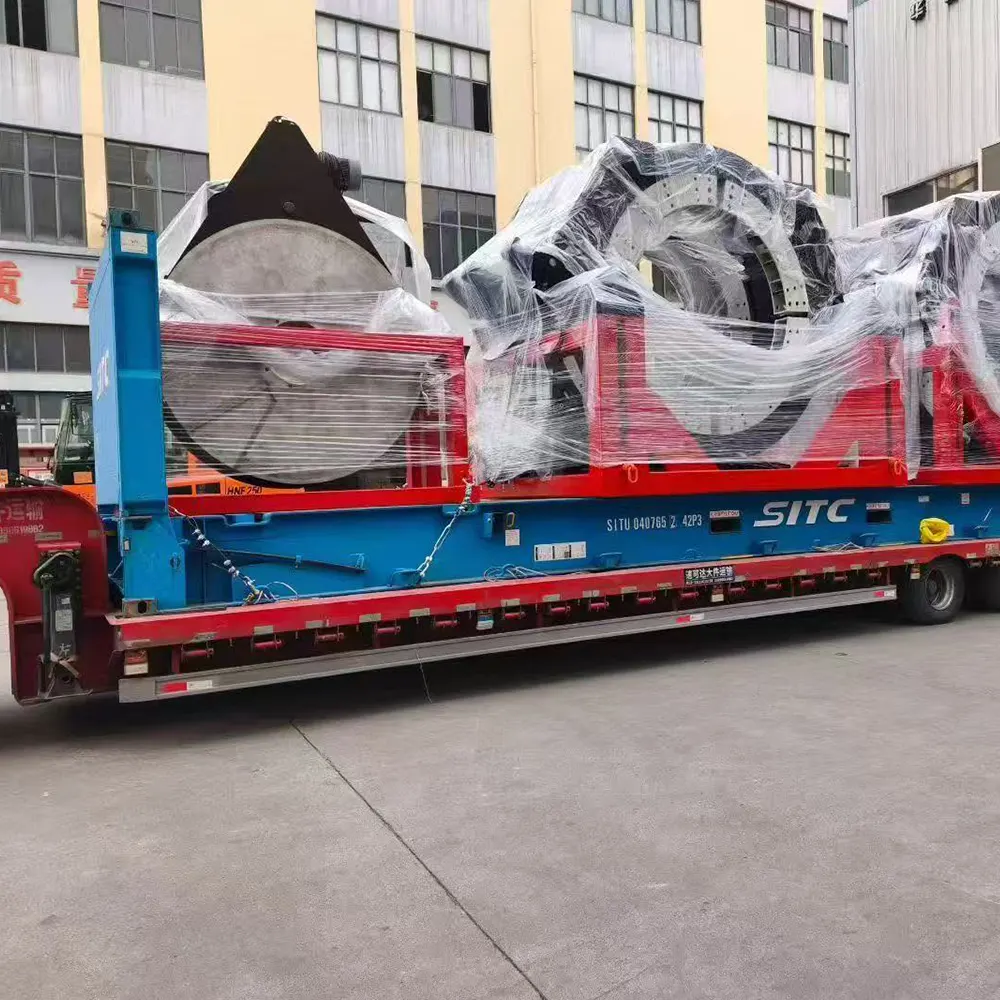
- Logistics and packaging: heavy equipment needs secure packaging and clear freight terms to prevent damage in transit.
Maintenance & Training: Reduce Downtime
Offer maintenance packages and operator training to your buyers. Key services that increase machine lifespan and satisfaction:
- Preventive maintenance schedules and on-site inspections.
- Spare parts kits and recommended spare lists for each model.
- Operator training on butt fusion best practices and safety protocols.
Certifications & Compliance to Watch
Different markets require specific approvals. As a wholesaler, ensure machines meet relevant standards such as ISO 9001 manufacturing quality, and any regional certifications for potable water or gas pipeline equipment. Providing documentation speeds project approvals.
How JQ-Fusion Supports Wholesale Partners
JQ-Fusion offers a broad range of HDPE welding machines—from manual units to CNC automatic butt fusion machines—backed by production experience, spare parts support, and customizable solutions for distributors and contractors worldwide.
Fast Tips for Successful Wholesale Sales
Focus on stocking a mix of manual, hydraulic, and automatic machines, bundle training and spare parts, and highlight traceable welding data features for large infrastructure buyers. Emphasize reliability, local support, and compliance when pitching to municipal and industrial clients.
Common FAQ for Wholesale Buyers
Q: Which machine types sell fastest? A: Hydraulic models and compact automatics perform well where municipal projects are frequent. Manual units remain steady for small contractors.
Q: What after-sales services close deals? A: Rapid spare parts supply, training, and field service contracts.



