
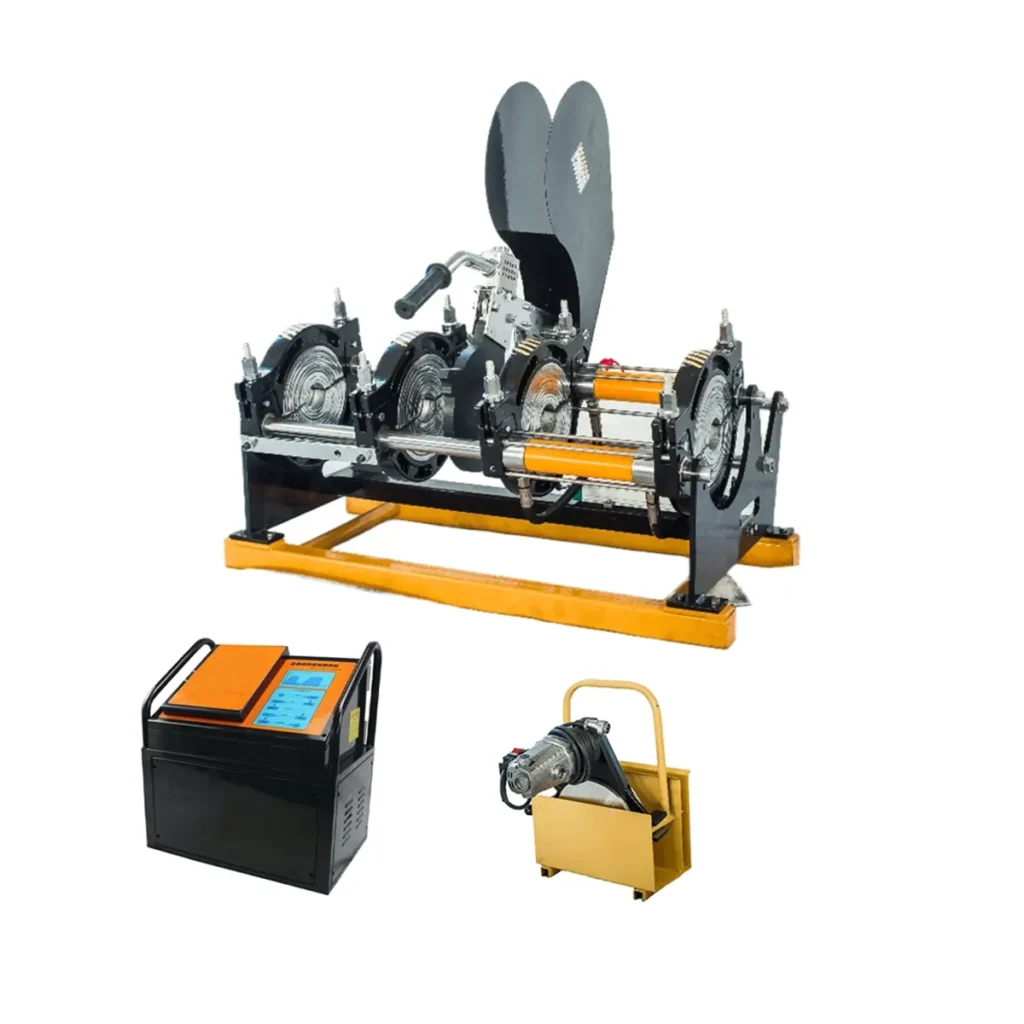
Choosing the right butt fusion welder for PE drainage and HDPE pipe installation can make the difference between a long-lasting, leak-free pipeline and costly rework. This guide breaks down the practical criteria contractors and engineers need to evaluate—pipe size, site conditions, production rate, skill level, and budget—so you can select the most suitable machine for your projects.
Why the Right Butt Fusion Welder Matters
Butt fusion welding is the industry standard for joining PE drainage and HDPE pipes because it produces homogenous, high-strength joints that match the base material. However, machine choice affects cycle time, weld quality, operator safety, and long-term performance. A well-matched welder improves efficiency on site, reduces rejects, and simplifies inspection and certification.
Key Factors to Evaluate
- Pipe Diameter Range: Ensure the machine supports both your current diameters and any foreseeable projects. Machines come in manual, hydraulic, and CNC automatic ranges—pick one that covers your smallest and largest pipe sizes.
- Material & SDR Compatibility: Confirm compatibility with common PE grades (HDPE PE80/PE100) and pipe SDRs—thicker walls need different heating and pressure control.
- Site Mobility & Power: Consider portable manual systems for remote trenches and heavy hydraulic/CNC units for factory-like, high-throughput jobs with stable power.
- Operator Skill & Automation Level: Automatic/CNC machines reduce operator dependency and record weld parameters, while manual machines require experienced operators but have lower upfront cost.
- Maintenance & Spare Parts: Choose machines with accessible spare parts and simple maintenance to minimize downtime.
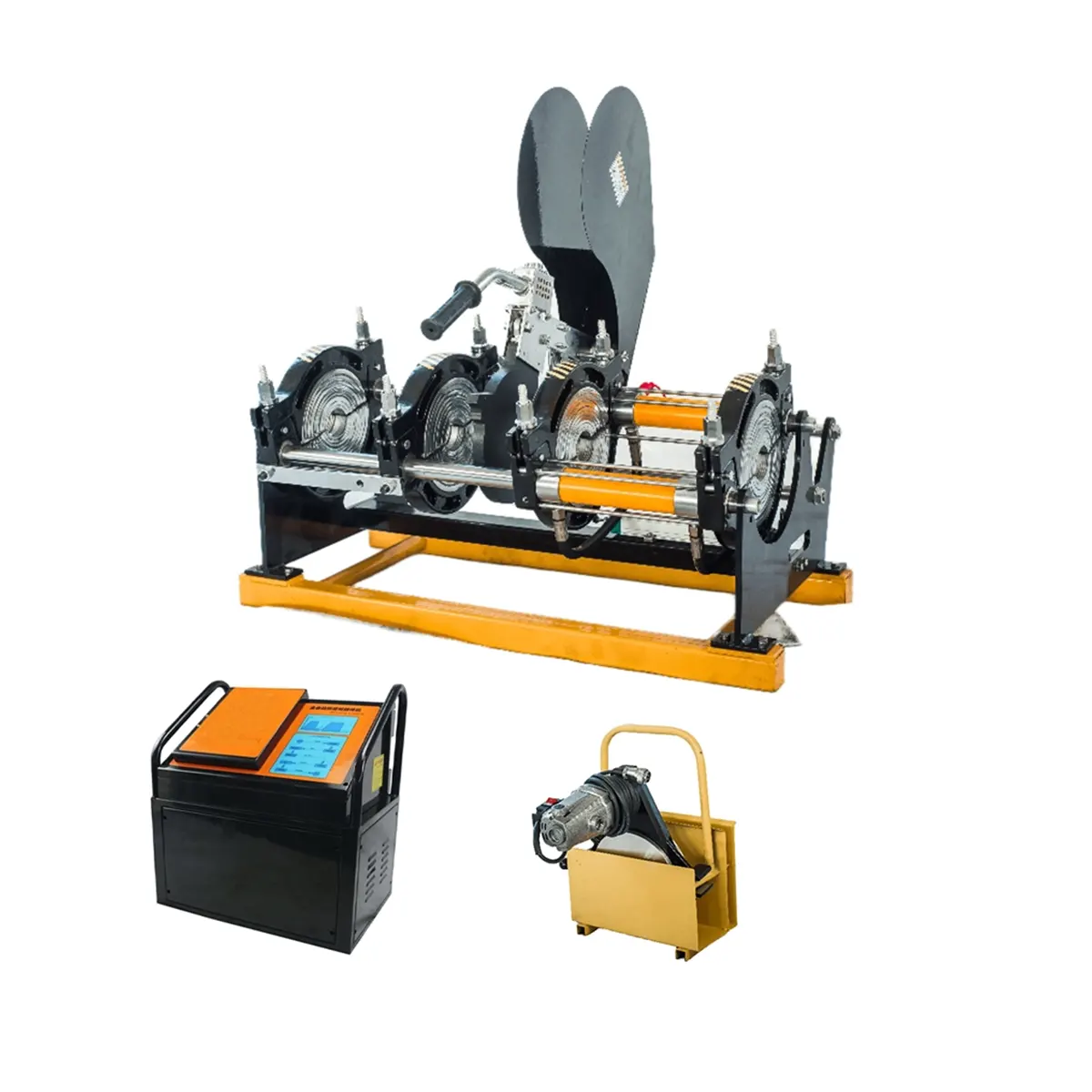
Quick Comparison: Manual vs Hydraulic vs Automatic
| Machine Type | Best For | Pros | Cons |
|---|---|---|---|
| Manual Butt Fusion | Small-diameter, remote jobs | Lightweight, low cost, portable | Operator dependent, slower |
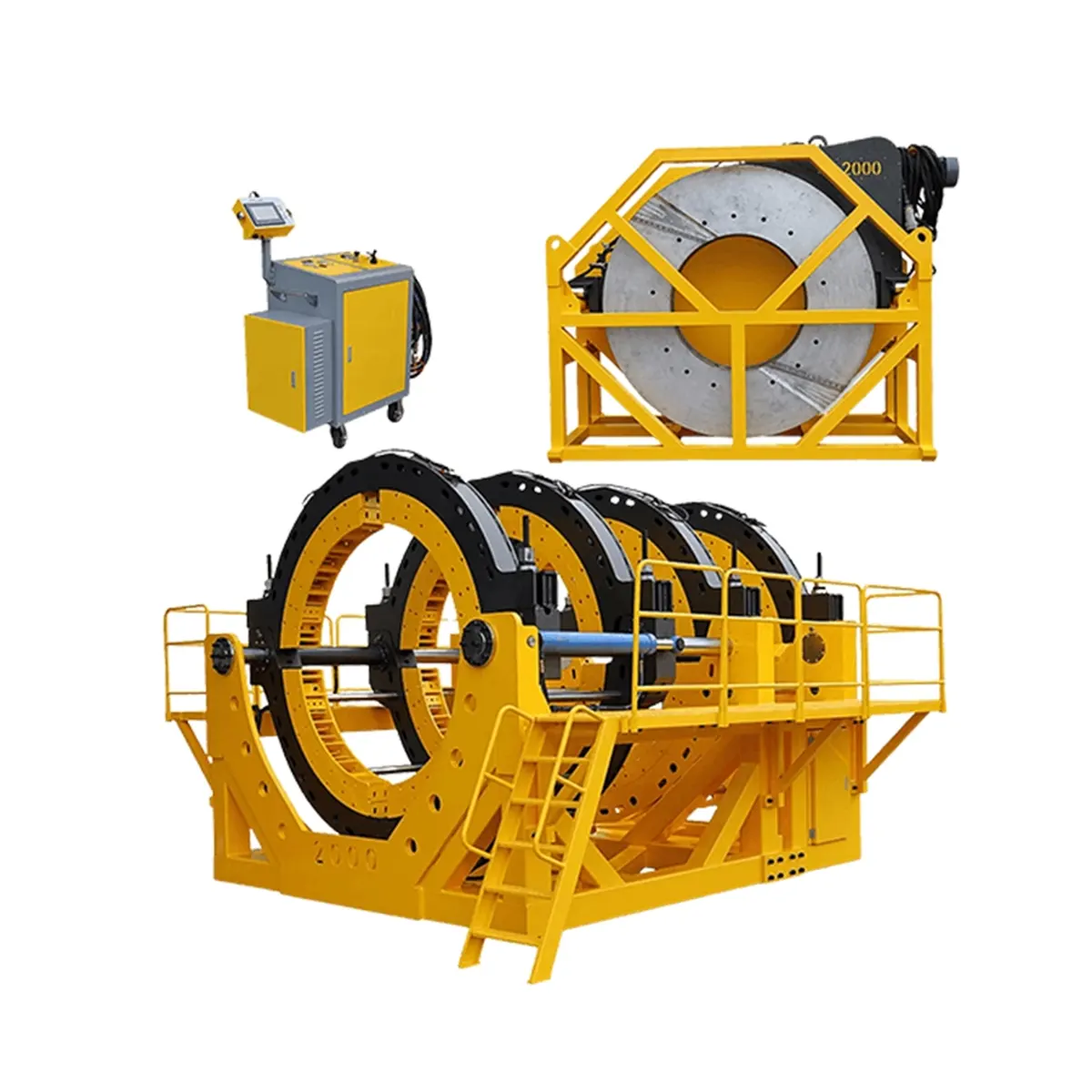
| Hydraulic Butt Fusion | Medium to large diameters, higher throughput | Stable clamping, powerful alignment | Heavier, needs more logistics |
| CNC / Automatic Butt Fusion | High-volume, critical pipelines | Consistent welds, data logging, faster cycles | Higher capital cost, needs trained staff |
Selecting by Project Type
For municipal drainage and stormwater systems, prioritize reliability and weld traceability. In industrial or gas-adjacent works, accuracy and certification data are critical—this often points to CNC automatic units. Trench-limited rehabilitation or short-run repairs usually call for compact manual or small hydraulic units.
Operational Tips to Get Consistent Welds
- Surface Preparation: Dry, clean pipe ends and chamfer correctly to avoid cold zones.
- Heating Plate Management: Maintain correct temperature and flatness; replace worn plates to prevent hotspots.
- Correct Pressure & Soak Time: Follow standards (ISO/ASTM or local codes) for pressure, heating, and cooling times based on diameter and SDR.
- Weld Documentation: Use machines that log cycle data or keep a manual weld record for QA/QC.
Maintenance, Training & Safety
Planned maintenance (hydraulics, heaters, alignment guides) extends equipment life and prevents on-site failures. Invest in operator training focused on parameter control, safety, and weld inspection. Safety items include thermal protection, stable pipe supports, and lockout procedures for hydraulic systems.
Final Selection Checklist
- Does the machine cover the full diameter range you need?
- Can it record or reproduce weld parameters for QA?
- Is it transportable to your typical jobsite conditions?
- Are spare parts and service readily available?
- Does the cost match expected productivity gains?
For dependable butt fusion solutions tailored to HDPE drainage and utility pipelines, consider reaching out to JQ-Fusion via their website: https://jq-fusionwelding.com/



