
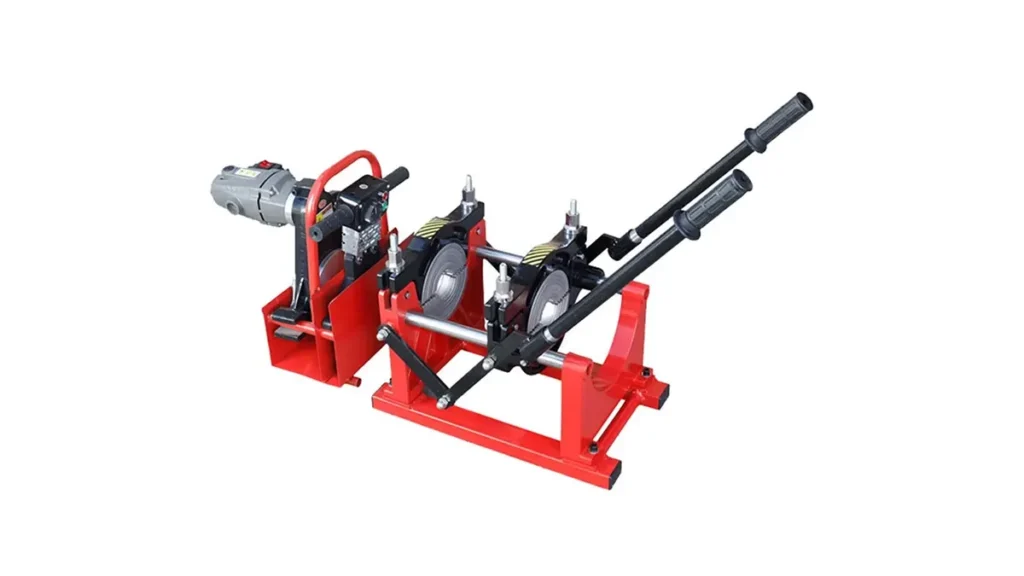
HDPE geomembrane welding machines are essential equipment for creating long-lasting, leak-free seams in geomembrane liners used across civil engineering, environmental containment, and landfill projects. This guide explains how high-performance welding machines deliver consistent results, what features to look for, and how to choose the right model for your project.
Why Precision Welding Matters for Geomembranes
Precision welding ensures that seams between HDPE geomembrane panels maintain tensile strength, chemical resistance, and impermeability. Poor welds can lead to costly environmental damage, regulatory fines, and project delays. Investing in reliable welding equipment reduces rework and supports long-term performance of containment systems.
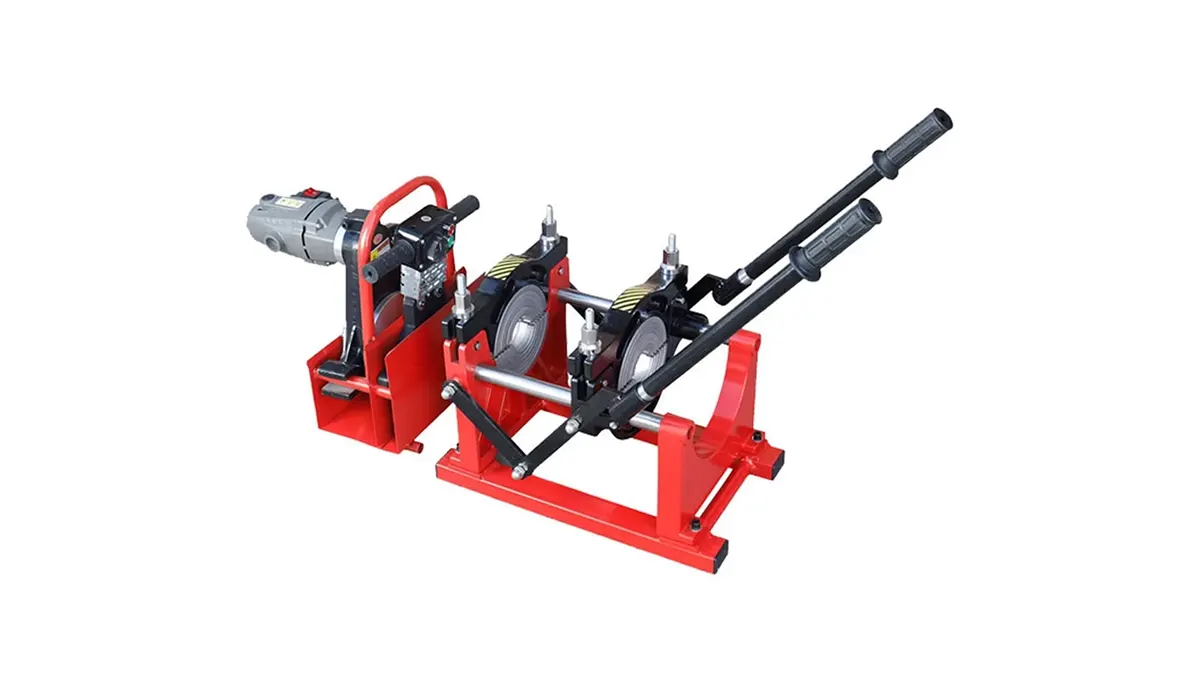
Core Features of High-Performance HDPE Geomembrane Welding Machines
Consistent heat control: Accurate temperature regulation keeps the melting layer uniform across the seam. Reliable machines feature digital controllers and rapid recovery heating plates.
Uniform pressure application: Stable, adjustable clamping and pressure systems produce even joints without extrusion defects.
Portability and robustness: Site-friendly designs balance light transportability with durable frames that withstand field conditions.
Automation and Data Logging
Automatic and CNC-assisted machines offer repeatable weld cycles and data logging for traceability — critical for projects with strict QA/QC and compliance requirements. Look for models that store weld parameters and export logs for audit trails.
Common Applications
HDPE geomembrane welding machines are used in:
– Landfills and solid waste containment
– Tailings dams and mining ponds
– Water retention reservoirs and irrigation linings
– Secondary containment for chemical storage
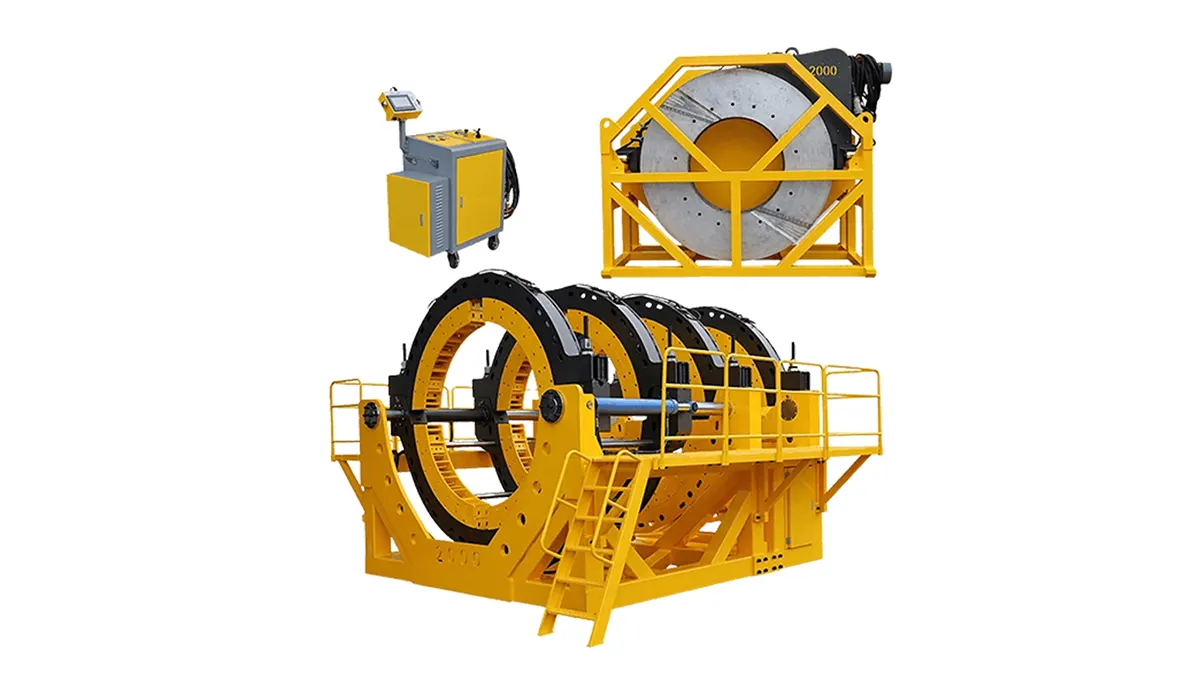
Selecting the Right Machine: Key Considerations
Weld width and power: Match the machine’s heating plate size and power capacity to the geomembrane thickness and project scale.
Mobility vs. automation: For remote sites choose portable manual or small hydraulic units. For large industrial projects, select automatic machines with programmable cycles.
Compliance and certification: Verify that the equipment supports qualified welding procedures and can document weld records for clients and regulators.
Maintenance and Field Best Practices
Routine maintenance like cleaning heating plates, checking hydraulic fluids, and verifying controller calibration preserves weld quality. Train operators in preheat, alignment, and cooling protocols to avoid common seam defects.
Comparison Table: Typical HDPE Geomembrane Welding Machines
| Model | Welding Range | Power | Automation | Best For |
|---|---|---|---|---|
| Manual Portable Unit | Up to 2 m seam | 2–3 kW | Manual | Remote or small sites |
| Hydraulic Field Unit | 2–5 m seam | 5–10 kW | Semi-automatic | Large civil sites |
| CNC Automatic Station | Custom widths | 10–30 kW | Full automatic | Industrial & factory pre-welding |
Quality Assurance: What Inspectors Look For
Inspectors evaluate weld bead uniformity, lack of voids, peel and shear test performance, and documentation. Machines that support consistent parameter control make passing inspections easier and faster.
Practical Tips for Project Managers
Plan for operator training and allocate time for equipment calibration. Keep spare heating plates and essential wear parts on site to avoid downtime during critical phases.
Contact and Supply
For tailored welding solutions and global support, consider contacting JQ-Fusion via https://jq-fusionwelding.com/ to discuss model selection, customization, and on-site training options.
Final Thought
Selecting the right HDPE geomembrane welding machine reduces risk, speeds up installation, and ensures long-term containment integrity. Choose equipment with precise controls, durable construction, and proven field performance to protect your project investment.



