
PE pipe welding equipment requires a disciplined maintenance and service plan to ensure consistent joint quality, reduce downtime, and extend machine life. This guide outlines practical steps and a service schedule to optimize the performance of butt fusion, electrofusion, manual, hydraulic, and CNC welding systems used on construction and infrastructure projects.
Why Regular Maintenance Matters
Consistent weld integrity depends on precise machine alignment, clean heating plates, and reliable hydraulics. Routine checks prevent small issues—contaminated platens, worn clamps, or loose fittings—from causing major joint failures or costly delays.
Key Benefits
Improved uptime, predictable servicing costs, extended component life, and safer operation—these outcomes come from a structured maintenance program that includes daily checks, scheduled servicing, and documented repairs.
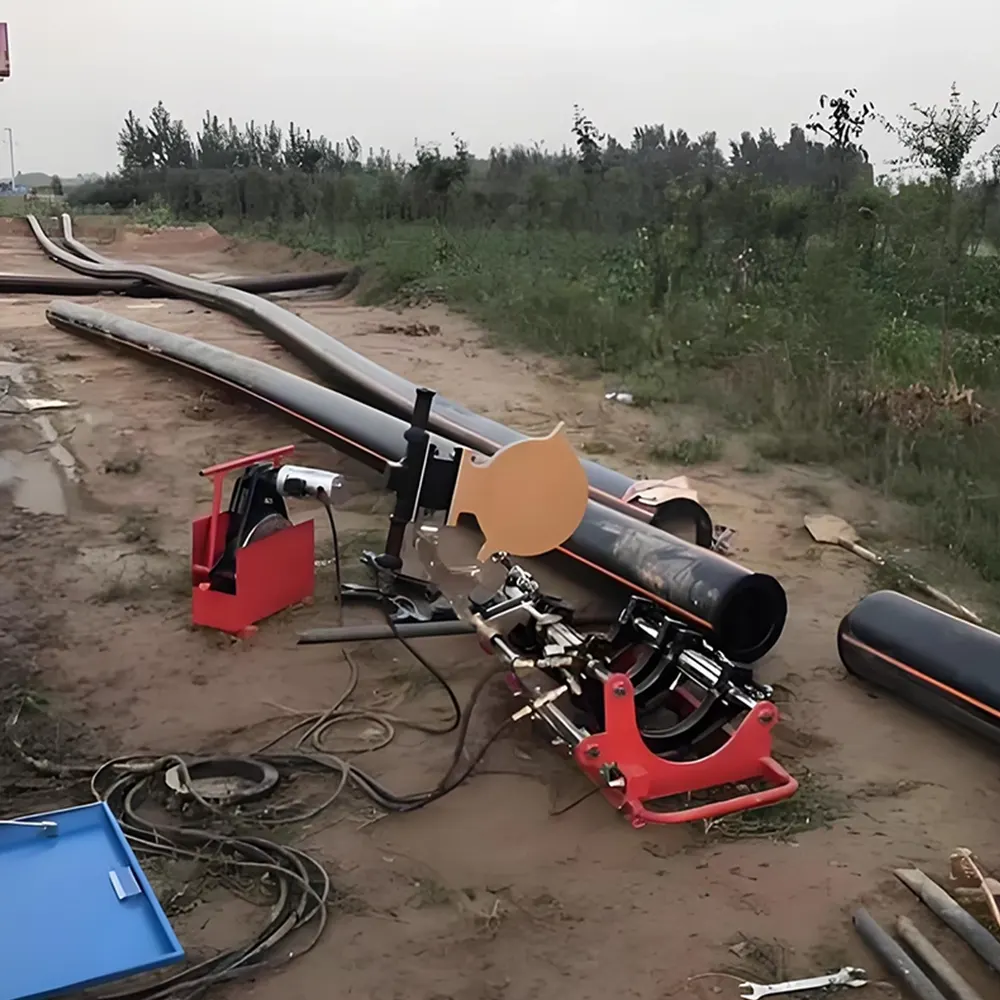
Daily and Pre-Use Checklist
Before each shift, perform rapid inspections to catch issues early. Use this short checklist to keep site operations smooth:
• Visual inspection of clamp jaws and pipe alignment points.
• Check heating plate surface for contamination; wipe with a clean, lint-free cloth.
• Verify hydraulic hoses and fittings for leaks; ensure pressure gauges read within spec.
• Test emergency stop and control panel responsiveness.
Preventive Maintenance Schedule
A clear schedule reduces unexpected failures. Below is a recommended cadence suitable for jobsite and workshop environments.
| Interval | Core Tasks | Who / Notes |
|---|---|---|
| Daily | Visual checks, clean heating plate, inspect clamps, test controls | Operator — before shift |
| Weekly | Lubricate moving parts, inspect wear pads, tighten bolts | Site technician |
| Monthly | Calibrate temperature sensors, check hydraulic oil level/quality | Maintenance engineer |
| Quarterly | Inspect electrical connectors, replace worn heater mats, full hydraulic inspection | Service technician |
| Annual | Complete overhaul: bearings, seals, full calibration, software update | Factory or certified service partner |
Common Problems and Quick Diagnosis
Symptom: Inconsistent weld bead or low fusion strength.
Check: Heating plate contamination, incorrect temperature calibration, or uneven clamp pressure.
Symptom: Hydraulic slow response or pressure loss.
Check: Air in hydraulic lines, worn seals, or leaking couplings. Replace oil if contaminated.
When to Escalate
If troubleshooting steps do not restore performance within a short window, escalate to certified service. Persistent electrical errors, unexplained temperature drift, or major hydraulic failure require professional intervention.
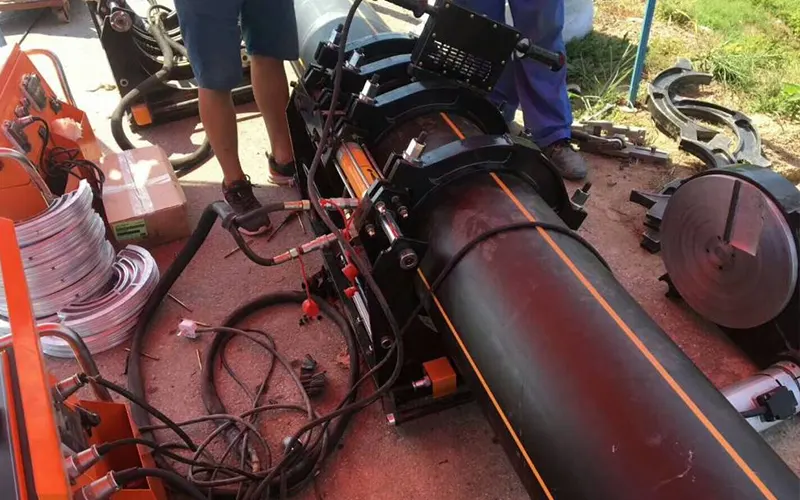
Spare Parts, Inventory, and On-Site Kits
Maintain a compact kit for common replacements: heater mats, temperature sensors, sealing rings, pump filters, and standard hydraulic fittings. Keep at least one set of critical spares for high-use components to avoid prolonged downtime.
Recommended On-Site Spares
• Heating plate covers and spare thermocouples.
• Replacement seals and wear pads for clamp assemblies.
• Portable calibration tool or thermometer for spot checks.
Service Contracts and Documentation
A tailored service contract ensures scheduled calibrations, priority spare parts availability, and fast response times. Track all maintenance and weld logs digitally or in a printed binder to support warranty claims and quality audits.
What a Good Service Plan Includes
Planned visits, emergency response SLA, parts discount, operator refresher training, and access to certified technicians. For large infrastructure projects, consider annual factory-level inspections that include software updates and mechanical overhaul.
Operator Training and Best Practices
Invest in operator training: correct joint preparation, cleaning procedures, proper clamp usage, and emergency shutdown. Well-trained operators are the first line of defense against quality issues and accidental damage.
Quick Operator Tips
• Always verify pipe face cleanliness and square cuts before welding.
• Allow heating plates to reach stable temperature and avoid forced temperature changes.
• Log every weld with machine settings and environmental conditions.
Measuring Impact: KPIs to Track
Track Mean Time Between Failures (MTBF), average repair time, number of weld reworks, and spare parts usage. These KPIs help quantify the ROI of preventive maintenance and justify investments in certified servicing.
Partnering with a Manufacturer
Working with a reputable manufacturer or certified service provider can simplify maintenance planning. JQ-Fusion supports customers with parts, training, and technical guidance to keep HDPE welding machines performing reliably.
Final Thought
A modest, consistent maintenance plan—centered on daily checks, scheduled preventive work, proper spares, and operator training—delivers the best long-term performance for PE pipe welding equipment and improves project reliability.



