
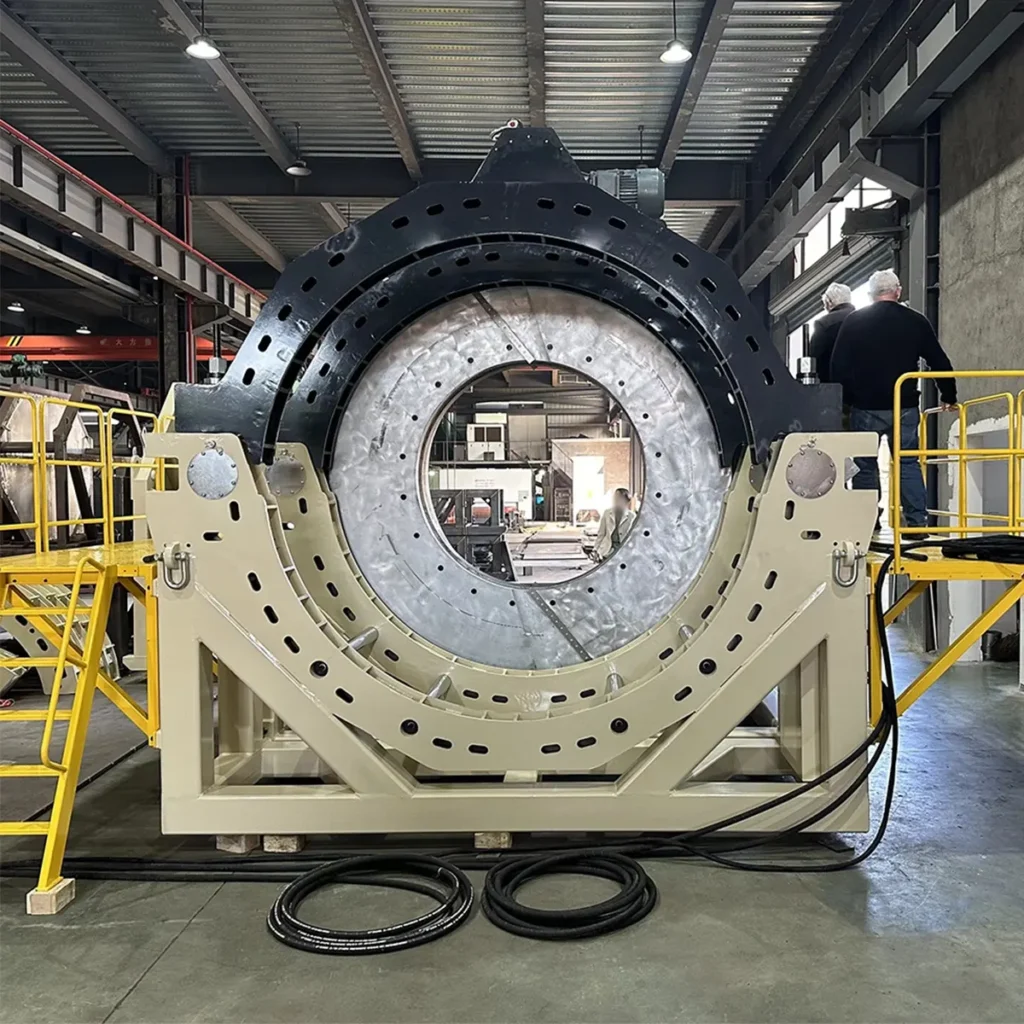
The global HDPE pipe welding equipment market is expanding rapidly as infrastructure, water supply, gas distribution, and mining projects increasingly favor polyethylene piping systems. This overview highlights key features, a concise buying guide, and current industry trends to help contractors, procurement teams, and project managers choose the right butt fusion welding solution.
Market Snapshot
Demand drivers: Urbanization, pipeline replacement, decentralized water systems, and rising natural gas network expansion are accelerating purchases of HDPE welding machines.
Popular segments: Manual and hydraulic butt fusion welders for fieldwork; CNC automatic machines for high-volume factory or large-diameter pipeline projects.
Buyer profile: Civil contractors, municipal utilities, oil & gas firms, and mining operations seeking reliability, speed, and certified weld quality.
Key Features to Prioritize
Clamping and alignment accuracy: Precise pipe alignment reduces rework and improves joint strength.
Heater plate quality and temperature control: Stable heating elements and accurate thermostats deliver repeatable fusion results.
Automation level: From manual hand-operated units to fully automatic CNC controllers — choose by production scale and operator skill.
Portability and setup time: Lightweight manual frames for remote sites vs. heavy-duty hydraulic frames for stationary or large-diameter work.
Serviceability and spare parts availability: Local support and interchangeable parts reduce downtime on critical projects.
Machine Types Explained
Manual Butt Fusion Machines
Economical, rugged, and suitable for small-diameter pipes and occasional field repairs. Requires skilled operators for consistent weld quality.
Hydraulic Butt Fusion Machines
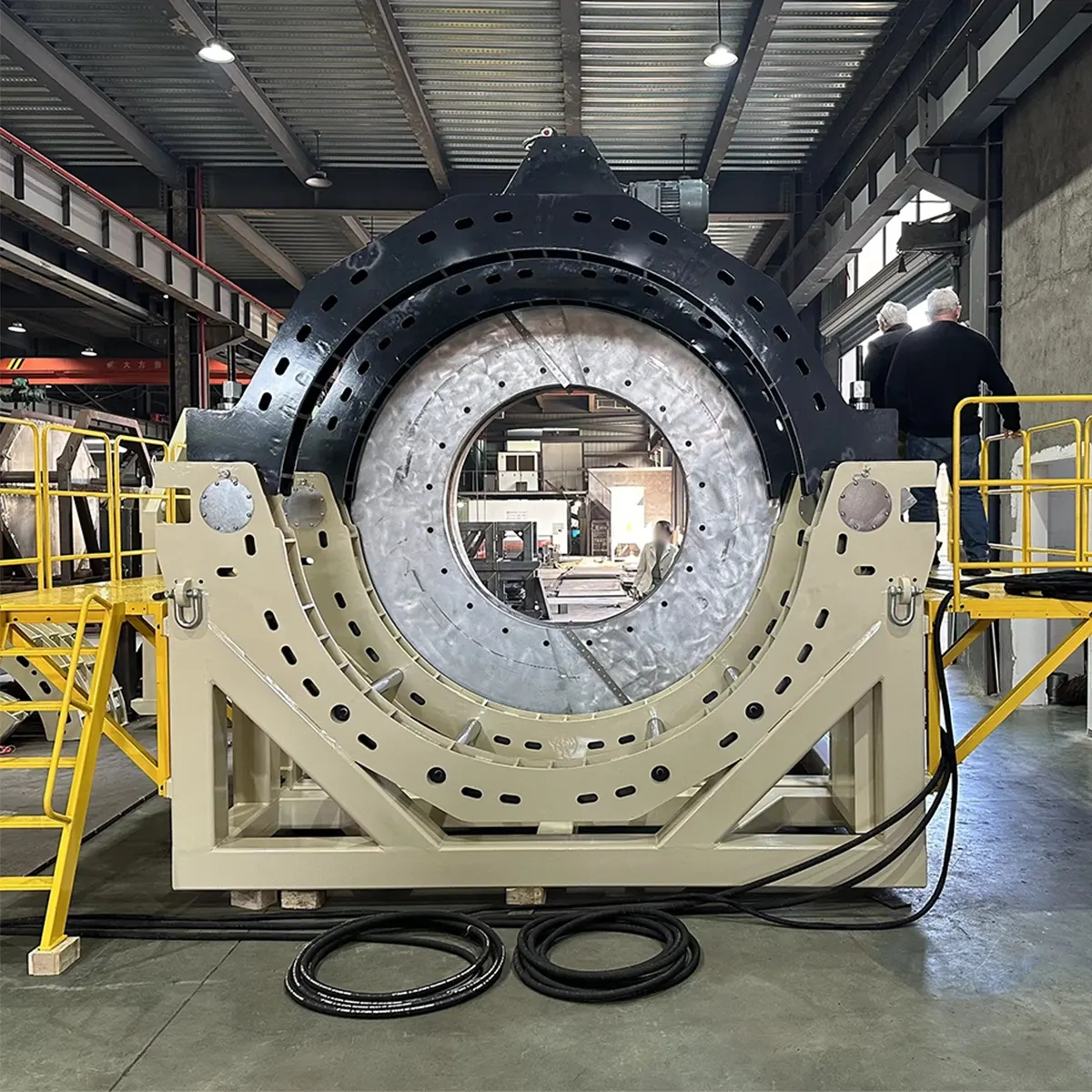
Provide higher clamping force and consistency for medium to large diameters. Ideal for construction sites and frequent welding tasks.
Automatic / CNC Butt Fusion Machines
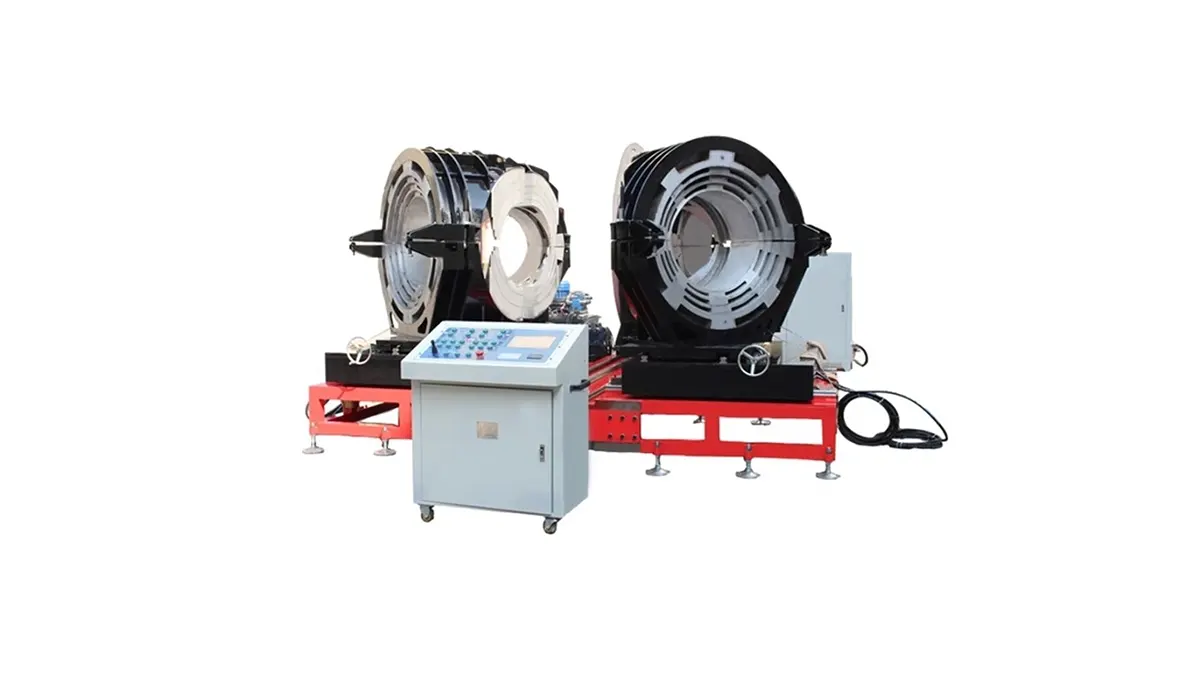
Offer programmable welding parameters, data logging, and repeatability — best for large projects, factory conditions, and compliance with certification requirements.
Multi-angle & Electrofusion Systems
Multi-angle fitting welders speed up branch fittings and complex assemblies; electrofusion machines are used for fittings and repair couplers with embedded coils.
Quick Comparison Table
| Type | Typical Pipe Range | Automation | Best For | Cycle Time |
|---|---|---|---|---|
| Manual | 20–355 mm | Low | Repair & small projects | Moderate |
| Hydraulic | 63–2000+ mm | Medium | Field construction & medium projects | Fast |
| Automatic / CNC | 63–2000 mm+ | High | Large projects & factory weld lines | Very fast |
Buying Guide: Practical Checklist
Project scope alignment: Match pipe diameters, wall thickness, and daily weld targets to machine capacity before purchase.
Quality certifications: Look for machines and processes compatible with ISO, ASTM, or local pipeline welding standards.
Spare parts & consumables: Verify heater plates, cutters, and clamp assemblies are available and affordable.
Training & documentation: Ensure the supplier offers operator training, maintenance manuals, and welding procedure specifications.
Warranty & after-sales: Local service response times and replacement policy can make or break project timelines.
Industry Trends and Future Outlook
Digitalization: Data-logging automatic welders and IoT-enabled monitoring are improving traceability and QA for large projects.
Sustainability focus: HDPE pipelines reduce leakage and energy loss; machines designed for energy efficiency are gaining attention.
Modular & portable designs: Lightweight frames and quick-setup hydraulic units support remote and fast-deployment projects.
Training & certification expansion: As more regions adopt PE piping, certified welding training and standardized procedures will increase demand for reliable equipment.
Maintenance & Safety Tips
Keep heater plate surfaces clean and scratch-free; follow scheduled hydraulic checks; store control electronics dry and protected. Always follow PPE and site safety standards during on-site fusion operations.
About the Manufacturer
JQ-Fusion is a professional manufacturer specializing in HDPE pipe welding machines, offering manual, hydraulic, and CNC automatic butt fusion solutions for global infrastructure projects. Visit JQ-Fusion for product details and support.



