
As infrastructure projects accelerate worldwide, selecting a reliable pipe fusion machine supplier is critical for durable HDPE, PE, and plastic pipe welding. This guide outlines machine types, typical applications, performance factors, and how to evaluate suppliers so contractors and engineers can make informed purchasing decisions.
What Pipe Fusion Machines Do Best
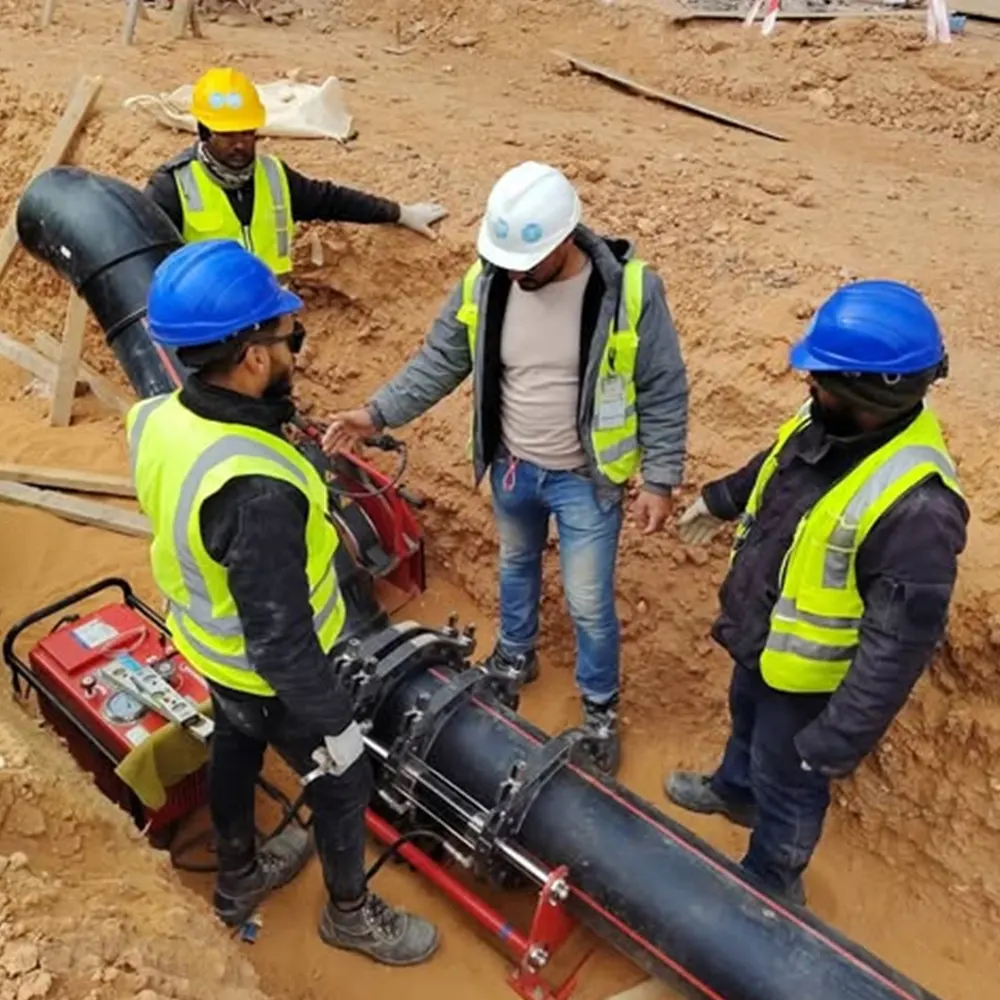
Pipe fusion machines join thermoplastic pipes using heat and pressure to create leak-free, long-lasting joints. Ideal for HDPE and PE systems, methods include butt fusion, electrofusion, and specialty fittings fusion. These techniques deliver robust pipelines for water, gas, mining, and industrial uses where joint integrity is non-negotiable.
Common Applications
Construction managers and municipal engineers choose fusion welding for:
-
Potable water and sewer pipelines requiring corrosion-free connections.
-
Gas distribution networks where safety and gas-tight joints are essential.
-
Mining and slurry transport systems needing abrasion-resistant solutions.
-
Industrial process lines where chemical resistance and flexibility matter.
Types of Machines & When to Use Them
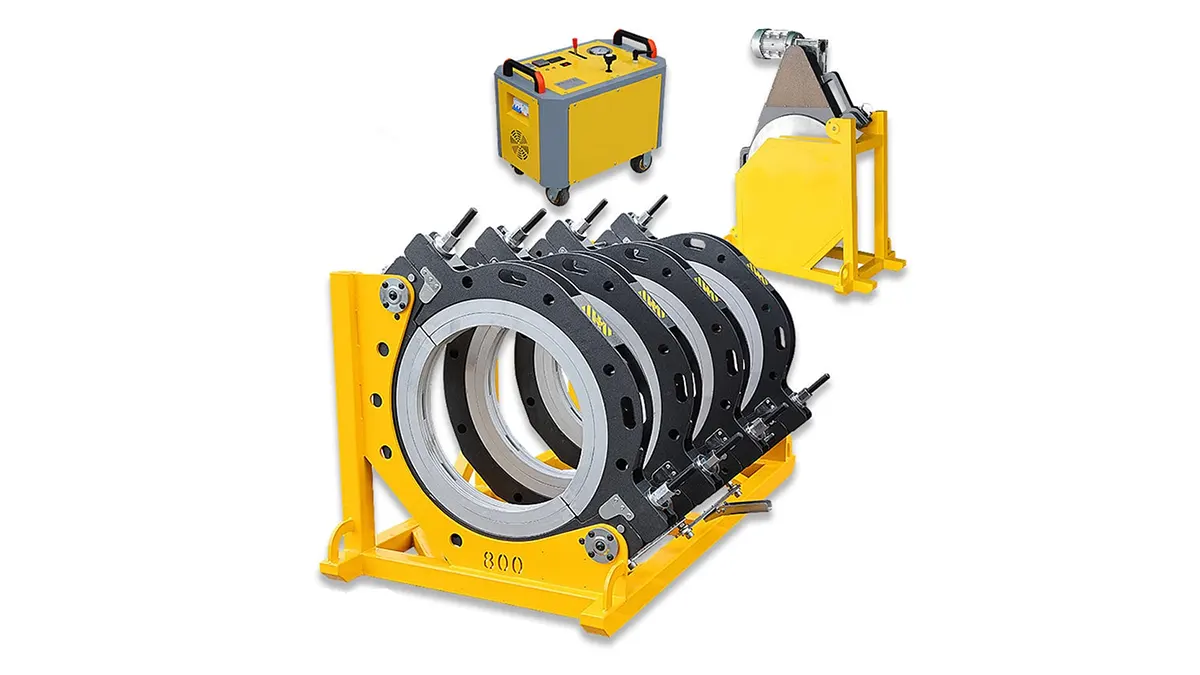
Manual machines are compact and cost-effective for small-diameter work or remote sites. Hydraulic machines deliver higher clamping force and are suited for medium to large diameters. Automatic / CNC machines provide precision, repeatability, and data logging—beneficial for large projects and regulated environments.
Key Features to Evaluate
When comparing suppliers and models, focus on:
-
Clamping range and adaptability — compatibility with the pipe diameters you commonly install.
-
Heating plate quality — uniform temperature and durable coatings reduce weld failures.
-
Control systems — digital timers, pressure sensors, and data export for traceability.
-
Portability and power options — field-ready machines that suit your jobsite conditions.
-
After-sales support — training, spare parts, and responsive technical service shorten downtime.
Popular Machine Models at a Glance
| Machine Type | Pipe Range | Best For |
|---|---|---|
| Manual Butt Fusion | 20mm–630mm | Remote jobs, light maintenance |
| Hydraulic Butt Fusion | 90mm–2250mm | Municipal & industrial pipelines |
| CNC Automatic Butt Fusion | 63mm–630mm (varies) | Large projects, certified weld records |
Installation, Training & Maintenance
Proper operator training and scheduled maintenance are essential. Typical recommendations include calibration of heating plates, inspection of clamping faces, and replacement of worn hydraulic hoses. Investing in training reduces joint rework and improves long-term ROI.
Selecting the Right Supplier
Choose suppliers that demonstrate manufacturing experience, quality control, and local or global service reach. Look for machine validation, spare parts availability, and clear technical documentation. For a trusted manufacturing partner with a wide product range—from manual units to CNC automatic butt fusion welding machines—consider JQ-Fusion.
Final tip: Match machine capability to the scale of your projects, prioritize traceability features for regulated contracts, and confirm the supplier’s service network to keep your fleet productive.



