
The butt welding machine is the backbone of HDPE pipe joining, delivering high-strength, leak-free joints for water, gas, mining, and industrial pipelines. Understanding the working principle helps contractors, engineers, and procurement teams choose the right equipment and ensure consistent weld quality on site.
How a Butt Welding Machine Works
1. Preparation and Alignment: Pipes are clamped into the machine’s fixture and aligned precisely. Proper alignment prevents eccentric joints and ensures uniform fusion across the pipe cross-section.
2. Facing (Trimming): A facing tool trims the pipe ends to produce flat, parallel surfaces free of contamination. Accurate facing is critical for complete molecular fusion.
3. Heating: A heated platen (often PTFE-coated) is introduced between the pipe ends to melt the silicone-like surface layer. Temperature control is key: typical HDPE welding temperatures are tightly controlled per standards.
4. Joining (Upset): After reaching the correct melt condition, the platen is removed and hydraulic or mechanical force brings the molten surfaces into contact. This controlled upset forms a homogeneous joint as polymer chains intermingle.
5. Cooling and Finishing: The joint is held under pressure while cooling to solidify the fusion. Once cooled, the bead is trimmed if necessary, and the joint is ready for pressure testing and backfill.
Key Process Controls
Temperature, pressure, time, and alignment are the four variables that determine joint integrity. Modern automatic machines manage these parameters through CNC or electronic controllers to reduce operator error and improve repeatability.
Main Components of a Butt Fusion Machine
The typical system includes a clamping frame, facing tool, heating platen, hydraulic unit (for hydraulic models), and a control unit for automated machines. Robust clamps and a precise trimmer are essential for reliable, repeatable welds.
| Component | Function |
|---|---|
| Clamping Frame | Holds pipe ends in alignment during facing, heating and joining |
| Facing Tool | Produces flat, square ends for effective fusion |
| Heating Platen | Provides uniform heat to melt surfaces to welding temperature |
| Hydraulic Unit / Drive | Applies accurate pressure for upsetting and holding during cooling |
| Control System | Monitors and logs temperature, pressure and time for quality records |
Types of Butt Welding Machines
Manual Models: Cost-effective for small-diameter pipes and occasional use. They require skilled operators for consistent results.
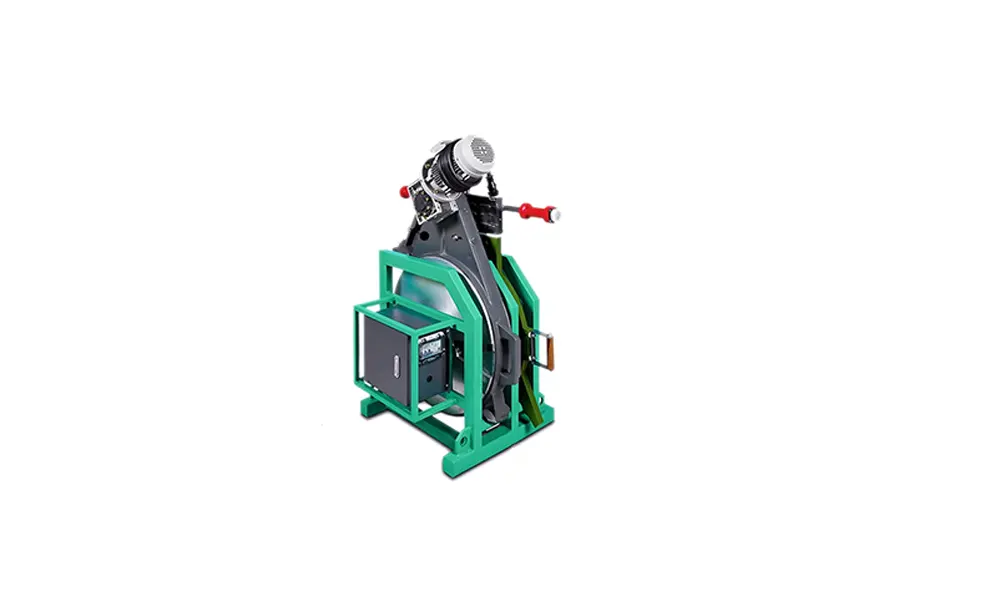
Hydraulic Machines: Offer stronger, steadier clamping and upset forces for medium to large diameters—widely used on construction sites.
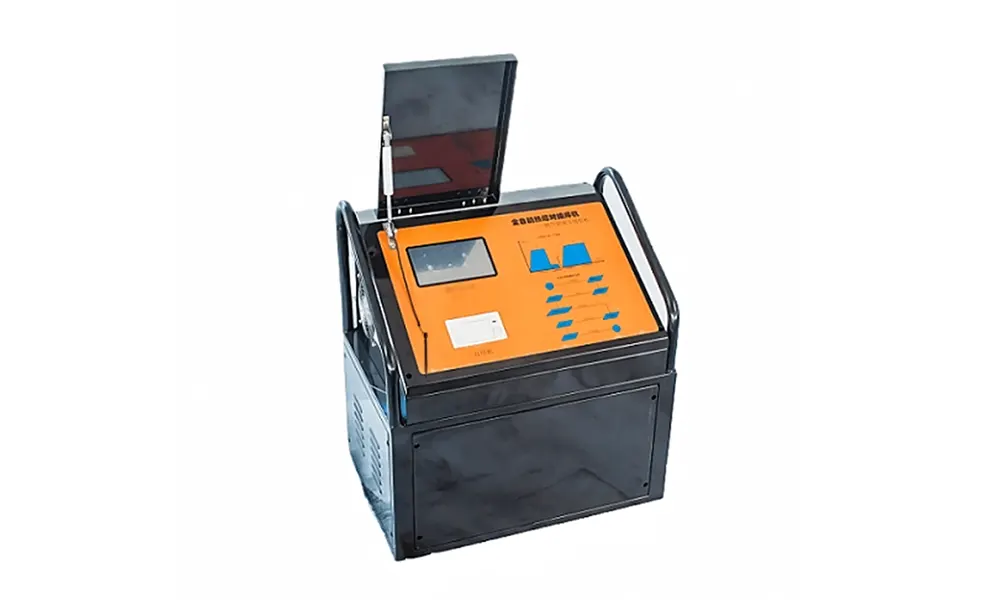
Automatic / CNC Machines: Provide programmable cycles, data logging and fast, repeatable welds for high-volume projects and stringent quality control.
Common Applications
Butt fusion is the preferred joining method for HDPE pipelines used in:
• Water supply and distribution — long service life, corrosion resistance.
• Natural gas distribution — safe, leak-free joints under pressure when executed to standards.
• Mining and slurry lines — abrasion resistance and strong joints for harsh environments.
• Industrial process piping — chemical resistance and flexibility reduce failure risks.
Benefits of Professional Butt Fusion
Reliable strength: Properly made butt fusion joints often exceed the pipe material strength.
Durability: HDPE welded systems are resistant to corrosion, chemical attack and fatigue.
Traceability: Modern machines record weld parameters for QA and regulatory compliance.
Selecting the Right Machine
| Project Factor | Recommendation |
|---|---|
| Pipe Diameter Range | Choose frame size and clamp type to match nominal diameters |
| Production Volume | Manual for low volume; automatic for high-volume or regulated projects |
| Field Conditions | Hydraulic systems with protective frames perform well outdoors |
Best Practices for On-site Welding
Always use certified operators, follow relevant welding standards, keep heating platens clean, and maintain a dry, contaminant-free joint area. Record weld logs and inspect finished joints visually and with non-destructive tests when required.
About JQ-Fusion
JQ-Fusion is a professional manufacturer specializing in HDPE pipe welding machines, providing reliable butt fusion solutions for global infrastructure projects. With manual, hydraulic, and CNC automatic options covering a wide range of pipe sizes, JQ-Fusion supports water, gas, mining and industrial pipeline needs. Visit https://jq-fusionwelding.com/ for product details and after-sales support.
Choosing the right butt welding equipment and following strict process control delivers safer pipelines, fewer leaks, and lower lifecycle costs—critical benefits across municipal and industrial projects.



