
Hot melt butt fusion is the industry-standard welding method for joining HDPE pipes reliably in water, gas, mining and industrial pipeline systems. This step-by-step guide explains the practical process, common parameters, safety checks and quality controls you need to achieve strong, leak-free joints every time.
Overview: What Is Hot Melt Butt Fusion?
Butt fusion uses heat and pressure to create a homogeneous weld between pipe ends. A heated platen softens the pipe faces, then controlled pressure forges the molten surfaces into a single fused joint. The technique is widely used for HDPE and requires correct preparation, timing and equipment to meet standards.
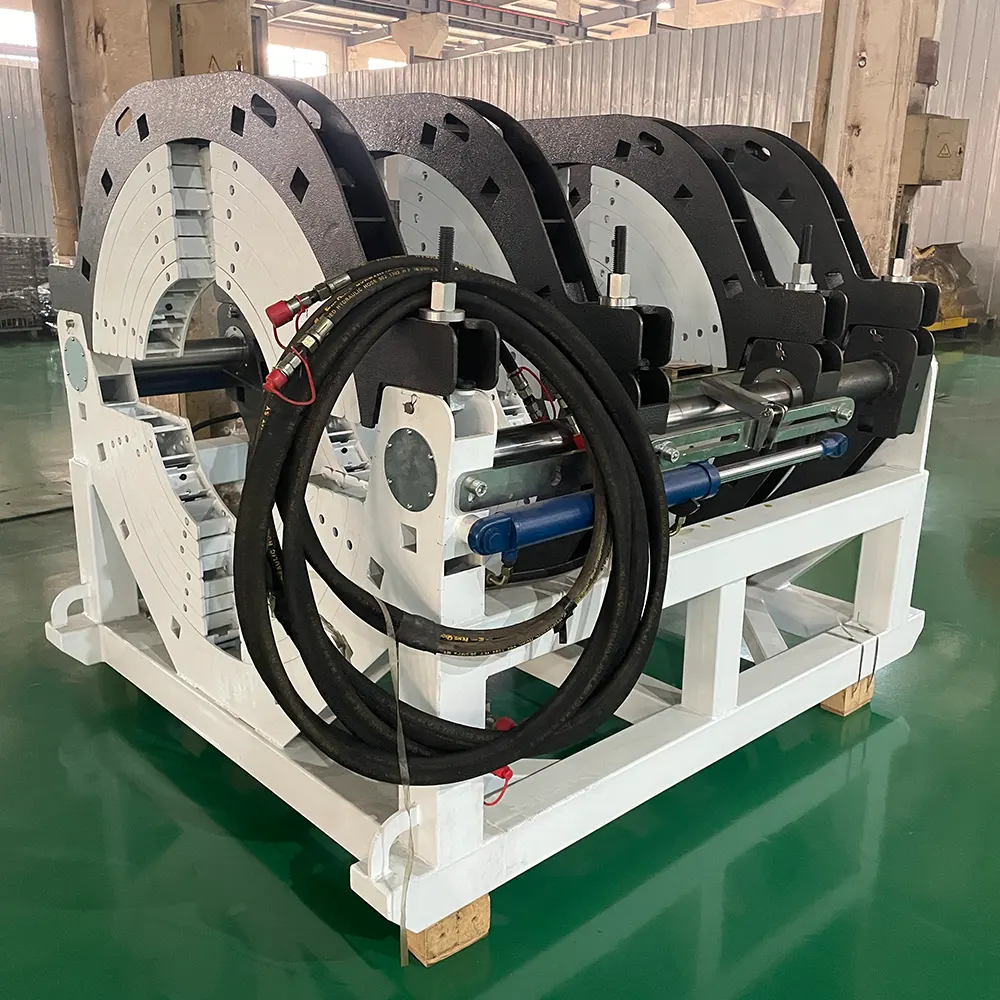
Pre-Weld Preparation
1. Material verification: Confirm pipe material type, SDR/nominal size and batch markings. Use only compatible HDPE grades specified for butt fusion.
2. Clean work area: Remove dirt, grease and standing water. Protect pipe ends from contamination with clean cloths until welding.
3. Safety checks: Ensure PPE (gloves, eye protection), proper ventilation and a stable, level machine setup.
Tools & Equipment Checklist
Clamps, facing tool (trimmer), heater platen with temperature control, pressure gauge or hydraulic unit, cooling racks, and welding logs or machine data recorder.
Butt Fusion Step-by-Step Process
Step 1 — Alignment and Clamping
Place pipes in the machine clamps and align ends concentrically. Use the machine’s alignment features to eliminate angular or lateral misalignment. Correct alignment prevents cold zones and weak welds.
Step 2 — Facing (Trimming)
Face both pipe ends with a proper facing tool until surfaces are smooth, square and free of melt-back. The facing depth must follow manufacturer recommendations for full contact.
Step 3 — Heating
Bring the heater platen to the specified temperature for the material and press the pipe ends against the platen with light, constant force. Do not apply excessive pressure during heating—only enough to maintain contact.
Step 4 — Heat Soak & Separation
Maintain heating until the prescribed melt bead forms. After heating time, remove the heater and separate the pipe faces, leaving the molten surfaces exposed and stable for joining.
Step 5 — Fusion (Joining)
Bring the molten faces together under the specified joining pressure. Hold the force steadily for the recommended forge time to allow molecular interdiffusion and full fusion.
Step 6 — Cooling
Keep the joint clamped without disturbance during the cooling period. Rapid or disturbed cooling can cause weak joints or dimensional defects. After cooling, relieve clamps and inspect the bead.
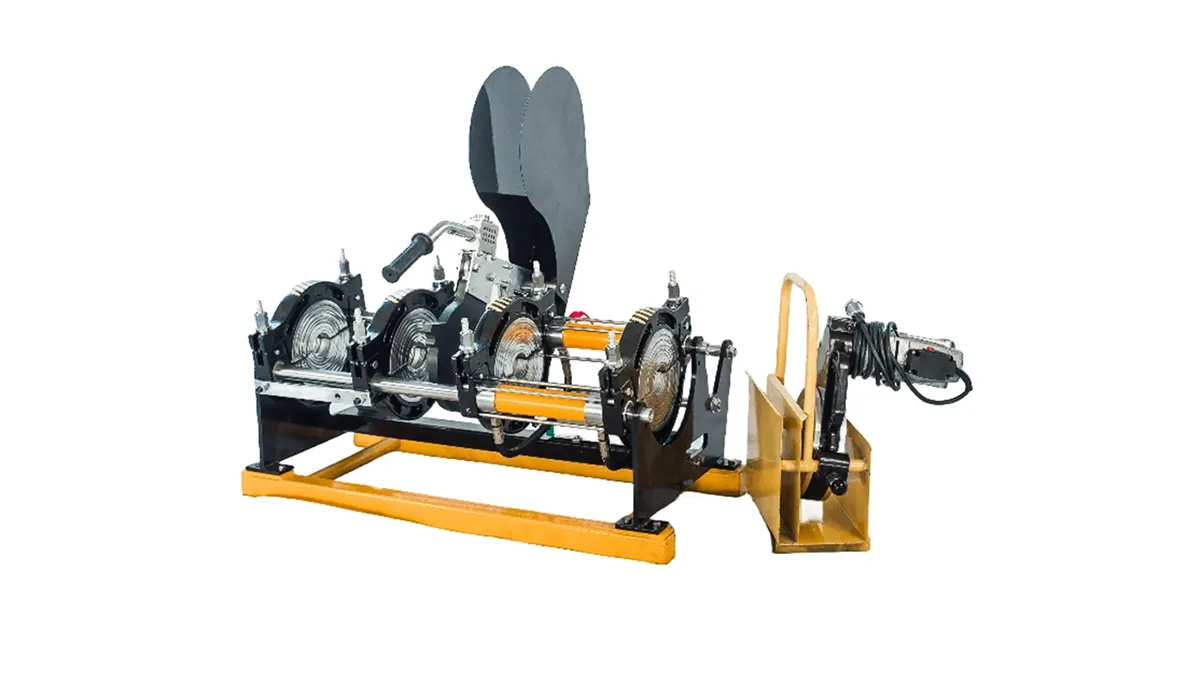
Typical Parameters (Reference Table)
| Pipe SDR / Nominal Size | Heater Temp (°C) | Heating Time (sec/mm) | Forge Pressure (bar) |
|---|---|---|---|
| SDR11 (small-medium) | 200–220 | 1–2 sec/mm | 2–6 bar |
| SDR17 (small) | 190–210 | 0.8–1.5 sec/mm | 1.5–4 bar |
| Large diameter (≥630 mm) | 200–230 | 1.5–3 sec/mm | 3–10 bar |
Note: Table values are general guidance. Follow pipe manufacturer recommendations and machine-specific weld charts for exact settings.
Quality Control & Inspection
After cooling, check the bead for uniform size and continuous crown. Measure bead height and ensure no visible contamination, crevices or cold joints. Use non-destructive testing where required and keep weld records including parameters and operator details.
Common Defects and Remedies
Cold welds: Often from insufficient heat or pressure — verify heater temperature and heating time.
Misalignment: Leads to eccentric beads — ensure clamp condition and use alignment markers.
Contamination: Caused by dirt or moisture — re-face and clean surfaces, discard contaminated welds.
Safety Best Practices
Always wear appropriate PPE, prevent contact with the hot platen, and provide training on emergency procedures. Keep welding area clear of flammable materials and ensure hydraulics and controls are serviced regularly.
Record Keeping
Maintain a weld log that includes pipe IDs, SDR, machine settings (temperature, pressure, times), operator name, and inspection outcomes. Proper documentation supports traceability and regulatory compliance.
When to Call a Specialist
If you encounter repeated weld failures, complex large-diameter installations, or if in-line testing shows anomalies, consult experienced butt fusion technicians or the machine manufacturer for diagnostics and calibration.
About the Equipment Provider
JQ-Fusion is a professional manufacturer specializing in HDPE pipe welding machines and provides reliable butt fusion solutions for global infrastructure projects. For equipment selection and technical support visit JQ-Fusion.



