
Choosing the right HDPE butt fusion machine means matching machine capability to pipe size, jobsite conditions, workflow expectations, and budget. This guide walks you through common machine models, critical selection criteria, and practical tips so you can pick a solution that delivers consistent, code-compliant welds on every project.
Understanding Butt Fusion Machine Types
Manual units are compact, low-cost, and ideal for small-diameter pipes and field repairs. Hydraulic machines add power and control for medium-to-large diameters, improving alignment and force precision. Automatic / CNC systems deliver programmable cycles, data logging, and repeatability for high-volume or critical infrastructure work. Choose the type based on pipe diameter range, site power, and required weld traceability.
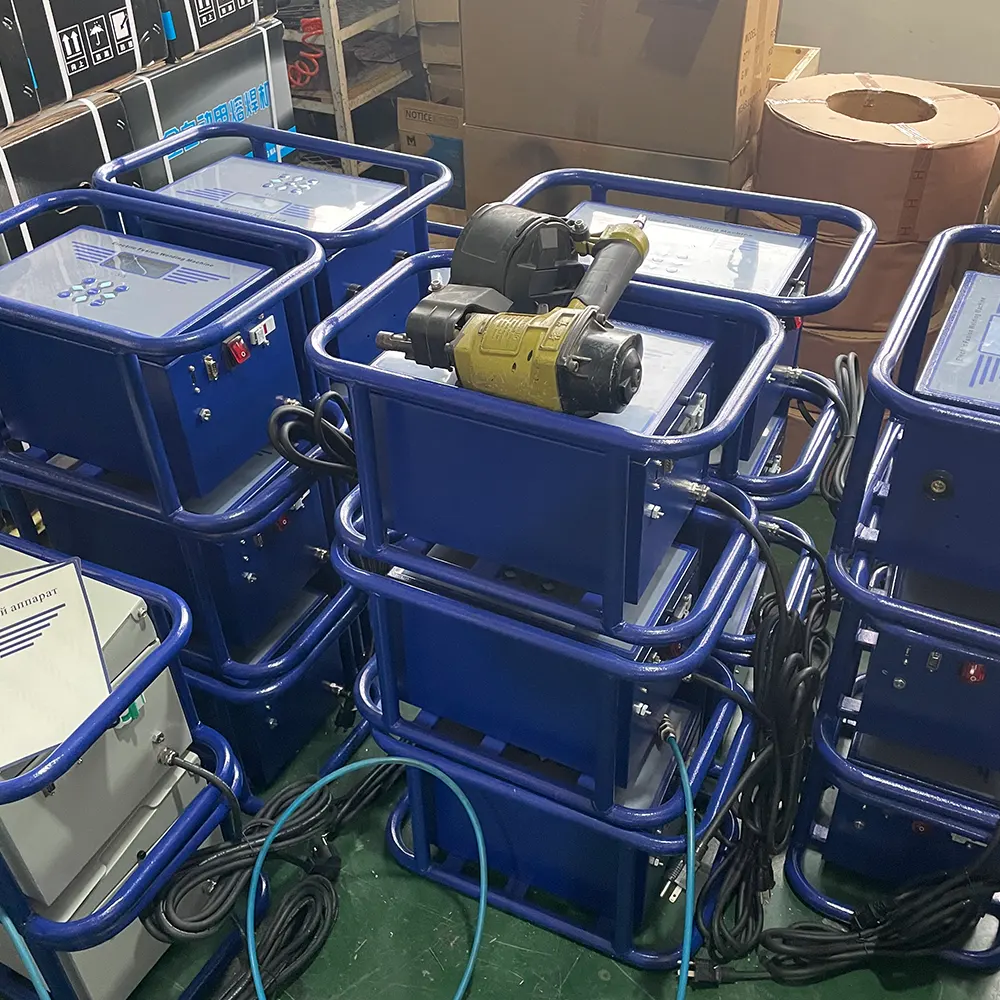
Common Model Series and Where They Fit
Model families vary by capacity and automation level. Below are typical families you’ll see and the use-cases they best support.
Manual Frame Series (e.g., JQSY, JQLX)
Lightweight frames for DN20–DN160 (approx. 20–160 mm) that are easy to transport. Best for contractors doing small water service, repairs, or rural installations. Low maintenance and simple to operate.
Hydraulic Butt Fusion Series (e.g., JQH160–JQH1800)
Hydraulic machines cover a broad range from small to very large diameters. They provide consistent axial force, quick clamping, and durability suited to municipal water, gas distribution, and industrial pipelines. Models scale up by cylinder capacity and carriage structure.
Automatic/CNC Series (e.g., JQA160–JQA630+)
Automatic units offer programmable weld cycles, digital pressure/time control, and reporting. Ideal for contractors and fabricators who need traceable weld records, repeatability, and reduced operator variability — especially in large projects or factory settings.
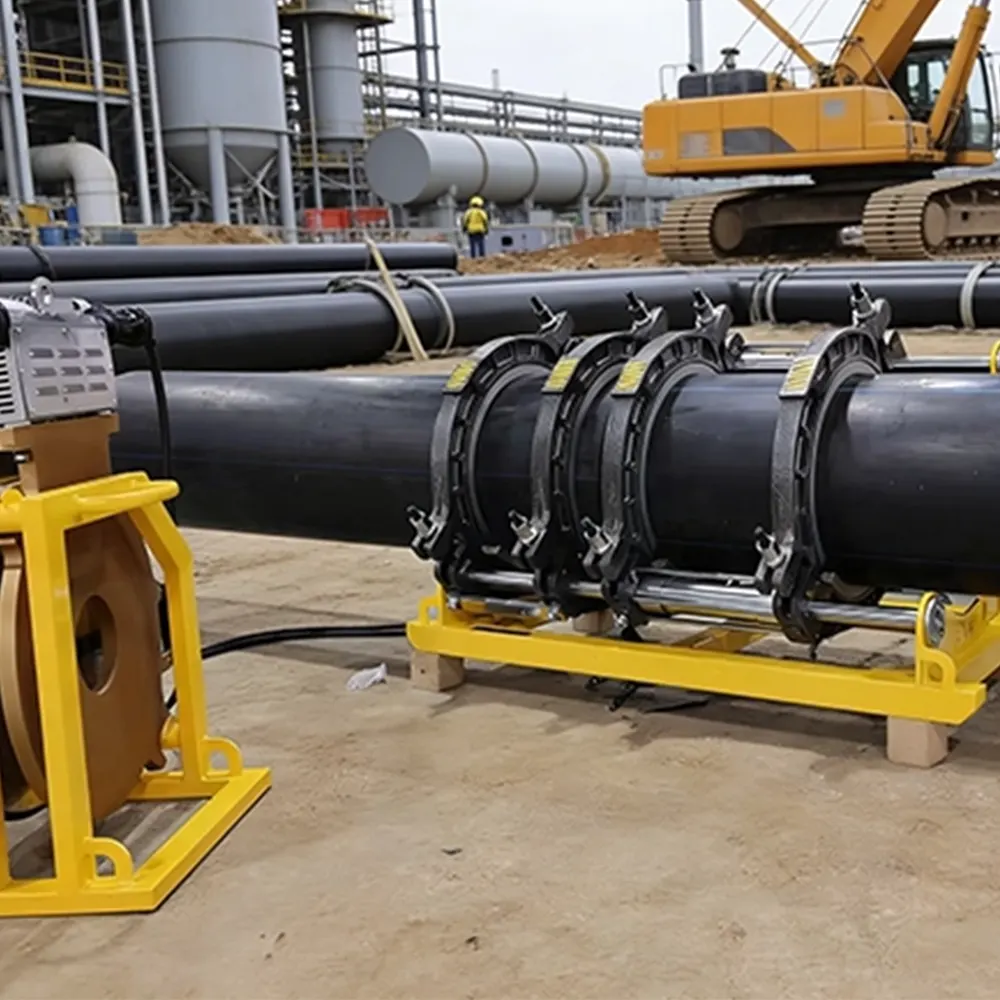
Quick Comparison Table — Pick by Project Needs
| Model | Type | Pipe Range | Power | Ideal For |
|---|---|---|---|---|
| JQSY / JQLX | Manual | 20–160 mm | Hand-powered | Rural services, repairs |
| JQH160–JQH800 | Hydraulic | 63–800 mm | Hydraulic powerpack | Municipal and industrial lines |
| JQA160–JQA630+ | Automatic / CNC | 63–630 mm+ | Electric / Hydraulic combo | High-volume, traceable projects |
| JQMA Series | Multi-angle / Fittings | Fittings up to large diameters | Hydraulic / Electric | Fabrication of electrofusion/multi-angle fittings |
How to Choose: 8 Practical Criteria
1. Pipe Size & Material — Confirm the machine’s clamp range and heater plate size. HDPE, PE80, and PE100 require consistent surface preparation and proper heating time settings.
2. Project Scale — Small projects: manual or compact hydraulic. Large networks or factory work: automatic/CNC for throughput and documentation.
3. Power & Portability — Do you have on-site electricity? Hydraulic powerpacks or diesel generators are common for remote locations. Consider machine weight and transport case for frequent relocations.
4. Accuracy & Repeatability — For critical pressure systems, opt for machines with precise force/velocity control and digital logging.
5. Compliance & Standards — Verify compatibility with local welding standards (e.g., ISO, ASTM, DVS) and whether the machine supports qualified procedure parameters.
6. Training & Support — Machines are as good as the operator. Choose vendors that provide training, clear procedure guides, and responsive service.
7. Spare Parts & Consumables — Heater plates, trim tools, and clamps wear. Ensure spare availability to minimize downtime.
8. Budget vs Lifecycle Cost — Low initial cost sometimes leads to higher operational costs. Evaluate expected production and maintenance over machine lifetime.
Tips for Field Success
Always prepare pipe ends clean and square, use the correct heater plate temperature and heating time for wall thickness, and follow a measured cooling schedule. Invest in a digital thermocouple and alignment checks for critical lines to prevent costly rework.
Models & Ordering
For a trusted selection of manual, hydraulic, and automatic butt fusion machines spanning small to large diameters, consider products from JQ-Fusion at https://jq-fusionwelding.com/. Their range includes compact manual frames, heavy-duty hydraulic carriages, and programmable automatic systems suited to municipal, gas, mining, and industrial pipelines.
Final Selection Checklist
Match pipe range, verify power supply, inspect automation features if needed, check service coverage, and confirm spares lead time. Proper selection upfront saves time and reduces welding defects later.
Need a model recommendation tailored to your pipe diameter and project conditions? Gather pipe OD, SDR/wall thickness, required daily welds, and site power, then compare against the model matrix above for a best-fit choice.



