
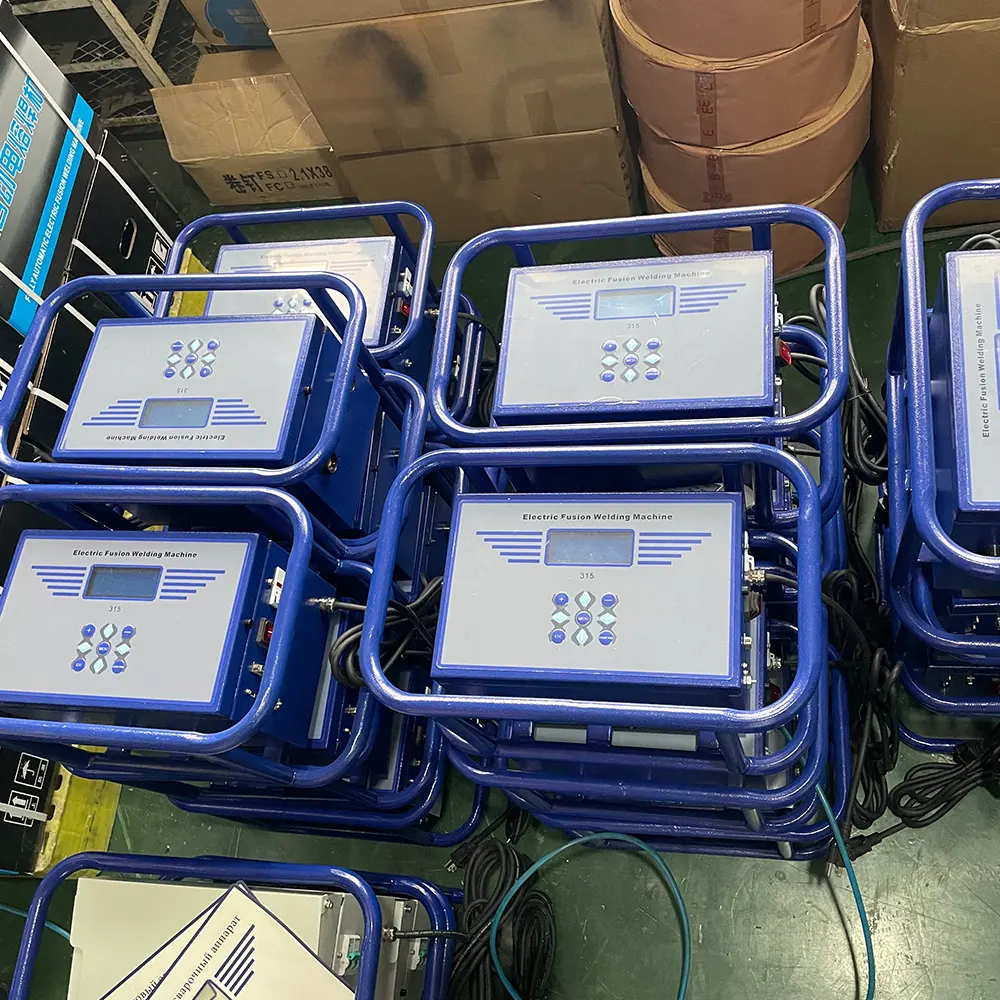
Electrofusion welders are essential for creating leak-free, long-lasting connections in HDPE piping systems. This guide explores how a professional electrofusion welder factory builds high-performance welding machines, the features to look for when purchasing, and practical tips for optimizing joint integrity on-site.
Why Electrofusion Welding Matters for Pipe Networks
Electrofusion provides a controlled, reproducible fusion between pipe and fittings by heating embedded coils in the fitting. Compared with mechanical fittings or solvent methods, electrofusion delivers consistent strength, excellent chemical resistance, and minimal downtime—qualities that infrastructure, gas distribution, and municipal water projects demand.
Key Applications
Electrofusion machines are widely used in:
-
Water supply and sewer systems
-
Gas distribution pipelines
-
Industrial process piping
-
Mining and irrigation networks
What a Reliable Electrofusion Welder Factory Delivers
A reputable manufacturer focuses on precision engineering, traceable quality control, and user-focused design. Essential attributes include robust control electronics, clear operator interfaces, and durable frames suitable for field use. Look for factories that document welding parameters and provide calibration and service support.
Manufacturing & Quality Highlights
Material selection: corrosion-resistant components and high-quality connectors for long-term reliability. Assembly: factory-tested heaters and control boards. Testing: return-to-zero checks, temperature accuracy validation, and welding log verification.
Choosing the Right Electrofusion Welder
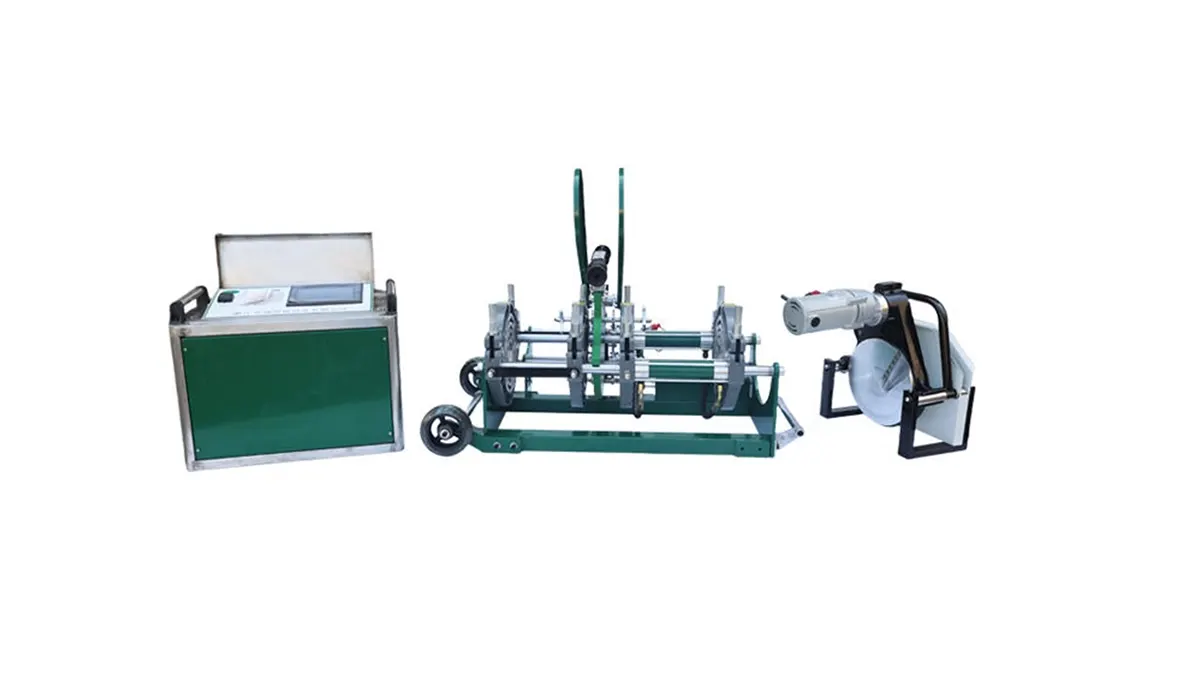
When selecting a machine, consider:
-
Voltage and current control: precise regulation prevents overheating and ensures repeatable joints.
-
Fitting database and traceability: built-in or updatable fitting libraries and welding record export.
-
Portability vs. production: compact units for field crews, larger stations for factory assemblies.
-
Compatibility: support for the range of HDPE diameters and fitting types used on your projects.
Specification Comparison
| Feature | Portable Electrofusion Unit | Workshop Station |
|---|---|---|
| Typical Range | 20–160 mm | 20–1200 mm |
| Power Source | Battery / Mains | Three-phase / Mains |
| Traceability | Basic logs | Advanced records & export |
| Recommended Use | Field repairs & small installs | High-volume assembly & quality control |
On-Site Best Practices
To maximize weld quality, ensure pipe ends are clean and square, maintain recommended heating cycles, and follow the fitting manufacturer’s insertion and cooling instructions. Environmental factors—temperature, wind, and moisture—require special attention: use wind shields, dry surfaces, and insulated clamping for cold climates.
Maintenance & Service
Regular calibration of the control unit, inspection of power cables and clamps, and replacement of worn contacts will extend service life. Choose vendors that provide clear service intervals and convenient parts availability.
Certifications and Compliance
Verify that machines and processes comply with relevant standards for fusion welding and pipeline safety. Certified welding logs and machine calibrations are often required for municipal and gas utility projects.
Why Manufacturers Like JQ-Fusion Stand Out
JQ-Fusion combines specialized experience in HDPE welding equipment with a commitment to durable, customizable machines that support diverse pipeline projects worldwide.
Next Steps for Procurement
Request machine demonstrations, check sample welding reports, and confirm spare parts lead times. A short pilot run with your chosen fittings and materials will help verify performance before full procurement.
Quick Checklist Before Buying
-
Compatibility with pipe diameters and fittings
-
Power and portability requirements
-
Traceability and software features
-
After-sales support and calibration services
Investing in high-quality electrofusion welders reduces rework, enhances safety, and protects long-term asset performance—making them a smart choice for contractors and utilities aiming for reliable pipe connections.



