
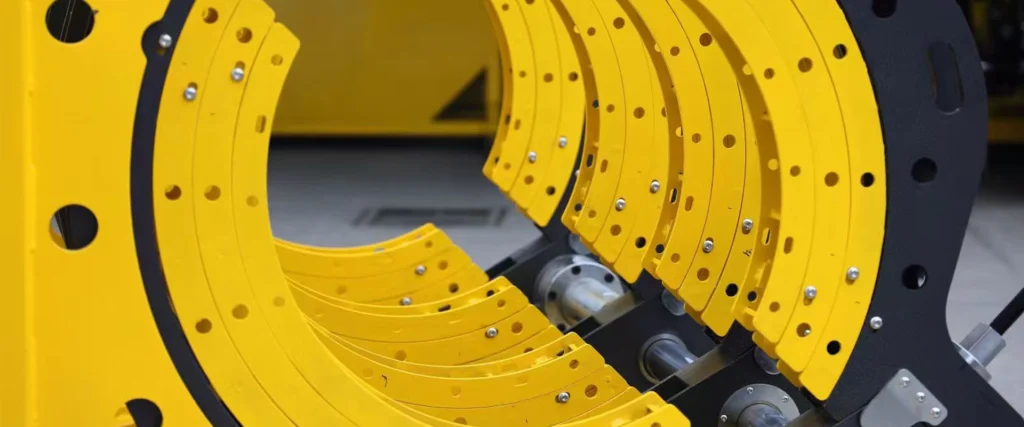
PE engineering grade welding machines are essential tools for reliable fusion of industrial plastic pipes, especially HDPE and other thermoplastic materials. This guide covers machine types, key specifications, welding workflow, selection tips, and maintenance best practices for construction, water, gas, and industrial pipeline projects.
What Is a PE Engineering Grade Welding Machine?
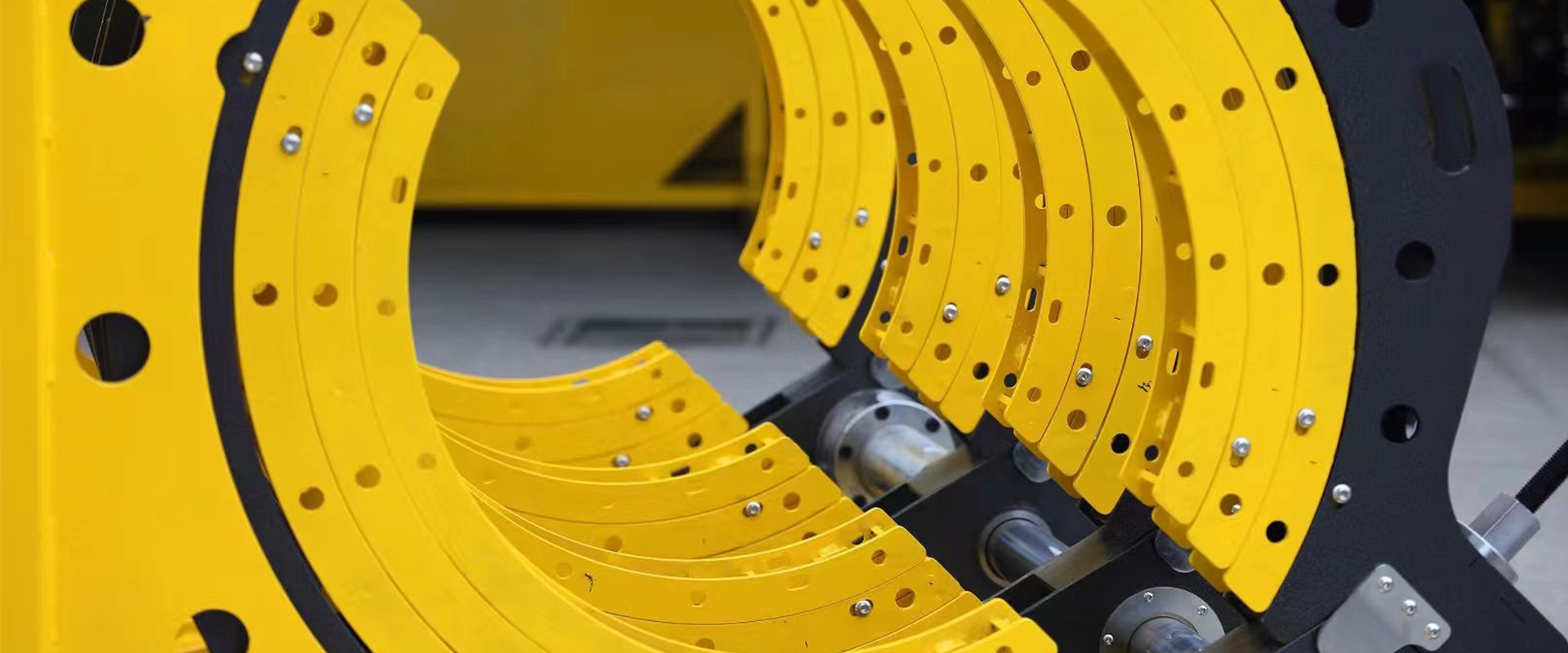
PE engineering grade welding machines are specialized systems designed to join polyethylene (PE) pipes using heat and controlled pressure. They provide consistent, high-strength joints for pipelines used in water supply, gas distribution, mining, and industrial applications. Typical fusion methods include butt fusion and electrofusion, with butt fusion being the most common for large-diameter pipes.
Core Benefits
Why contractors and infrastructure teams prefer engineering-grade machines:
-
Repeatable, high-integrity joints that meet industry standards.
-
Automated controls (on CNC/automatic models) reduce operator variability.
-
Wide pipe diameter coverage — from small service lines to large mains.
-
Durable components and modular accessories for field conditions.
Types of PE Welding Machines
Choose based on job scale, precision needs, and budget:
-
Manual/Portable Butt Fusion: Cost-effective, robust for remote or small-site work; requires experienced operators.
-
Hydraulic Butt Fusion: Higher clamping force and repeatability for medium to large pipes; ideal for long-run installations.
-
CNC / Automatic Machines: Precision-controlled heating, alignment, and pressure; preferred for high-volume or critical-spec projects.
-
Electrofusion Units: Used for fittings and repair work where localized heating is required.
Quick Comparison Table
| Feature | Manual | Hydraulic | Automatic/CNC |
|---|---|---|---|
| Best for | Small projects, field repairs | Medium to large pipelines | High-volume, precision critical |
| Operator skill | High | Medium | Low (guided) |
| Speed | Moderate | Fast | Fastest |
| Typical pipe range | Ø20–Ø630mm | Ø315–Ø2250mm | Ø20–Ø1200mm+ |
Standard Welding Workflow (Butt Fusion)
Follow a controlled sequence to ensure joint strength and compliance:
-
Preparation: Clean pipe ends, align and secure in clamps.
-
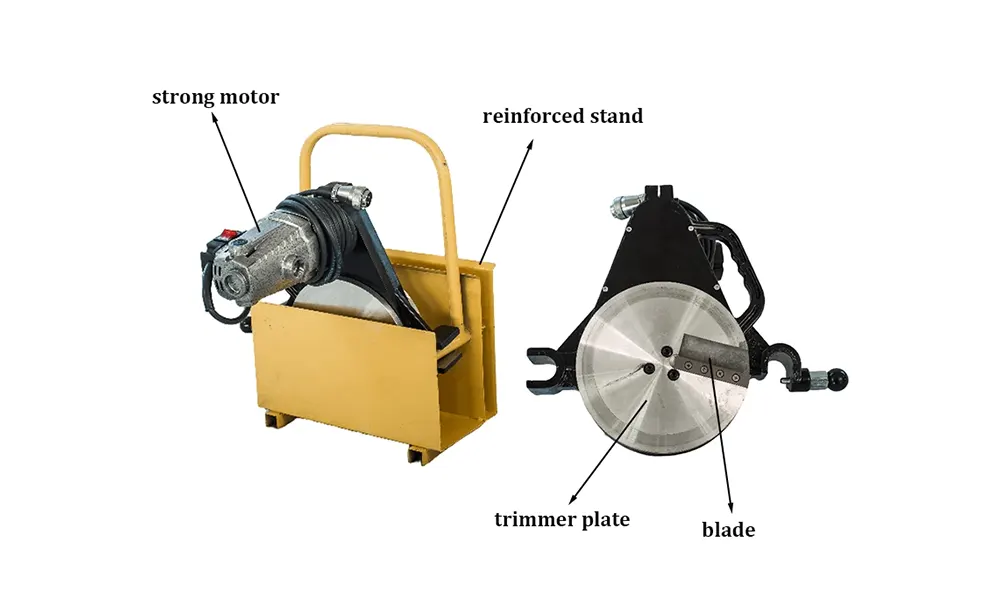
Facing: Trim surfaces to flat, parallel faces using a trimmer.
-
Heating: Press heater plate between pipe ends until proper melt bead forms.
-
Joining: Remove heater, bring pipe ends together under controlled pressure.
-
Cooling: Maintain pressure during cooling to crystallize the fusion zone.
-
Inspection: Measure bead and perform non-destructive tests where required.
Key Specifications to Check
When evaluating machines, consider:
-
Pipe diameter range — match to project pipe sizes.
-
Heating plate power and temperature control — precise thermal control reduces defects.
-
Clamping force and alignment accuracy — critical for large-diameter joints.
-
Automation level and traceability — useful for certified infrastructure projects.
-
Portability and field robustness — rugged frames and easy-to-service parts.
Maintenance & Operator Tips
Maintain machine longevity and weld quality with these practices:
-
Keep heating plates and trimmers clean and free of contamination.
-
Follow manufacturer calibration schedules for pressure and temperature sensors.
-
Train operators on alignment, facing technique, and cooling times.
-
Store machines and consumables in dry, temperature-stable environments.
Compliance, Testing & Quality Control
For industrial pipeline projects, verify that welding procedures meet local and international standards (e.g., ISO or regional pipeline codes). Use destructive and non-destructive testing where required, and maintain weld logs for traceability.
How to Choose the Right Machine
Match machine capability to project scope: small municipal repairs can rely on manual units, while long-distance water or gas mains demand hydraulic or CNC automatic systems for speed and documented consistency. Consider future pipeline sizes and budget for operator training and spare parts.
Supplier Support & After-Sales
When sourcing equipment, prioritize vendors who provide clear documentation, spare parts availability, and responsive technical support. For a full range of HDPE welding solutions and tailored advice, visit JQ-Fusion at https://jq-fusionwelding.com/.
Final Notes
PE engineering grade welding machines are a long-term investment in pipeline integrity. Selecting the right type, ensuring operator competency, and following strict welding procedures will deliver durable, leak-free joints for critical infrastructure.



