Choosing the right pipeline hydraulic welding machine is critical for durable, leak-free joins in HDPE and other thermoplastic piping systems. This guide walks you through the core differences between hydraulic, manual, and automatic butt fusion machines, key selection criteria, operational tips, and typical applications so you can pick the best pipe welding equipment for your project.
Why Hydraulic Butt Fusion Machines Stand Out
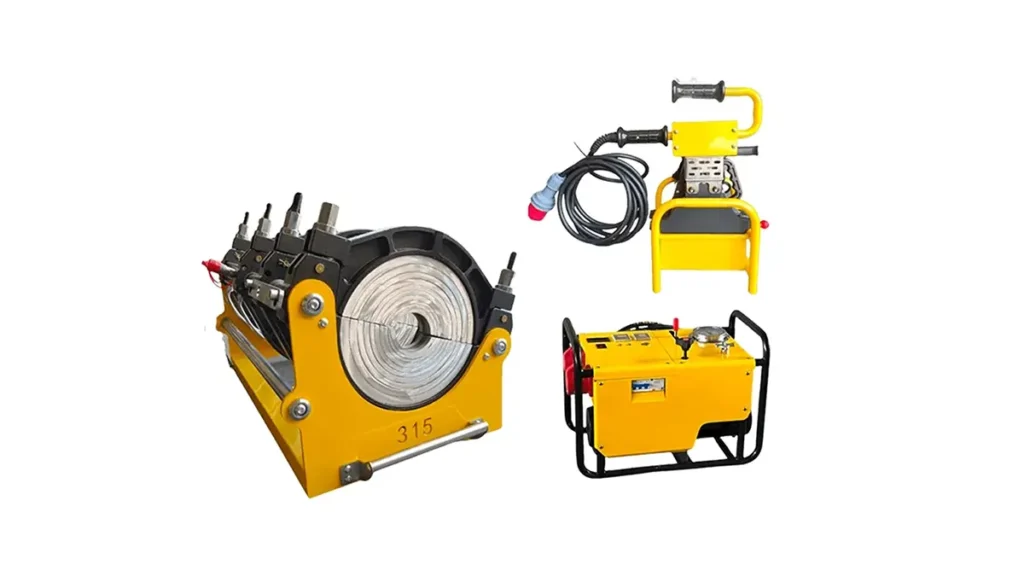
Hydraulic butt fusion machines provide consistent pressure control and repeatable weld quality on medium to large diameter pipes. Their hydraulic systems deliver steady, programmable force that improves joint strength and reduces operator fatigue compared to manual clamping. For contractors working on municipal water, gas distribution, or industrial piping, hydraulic units balance performance and portability.
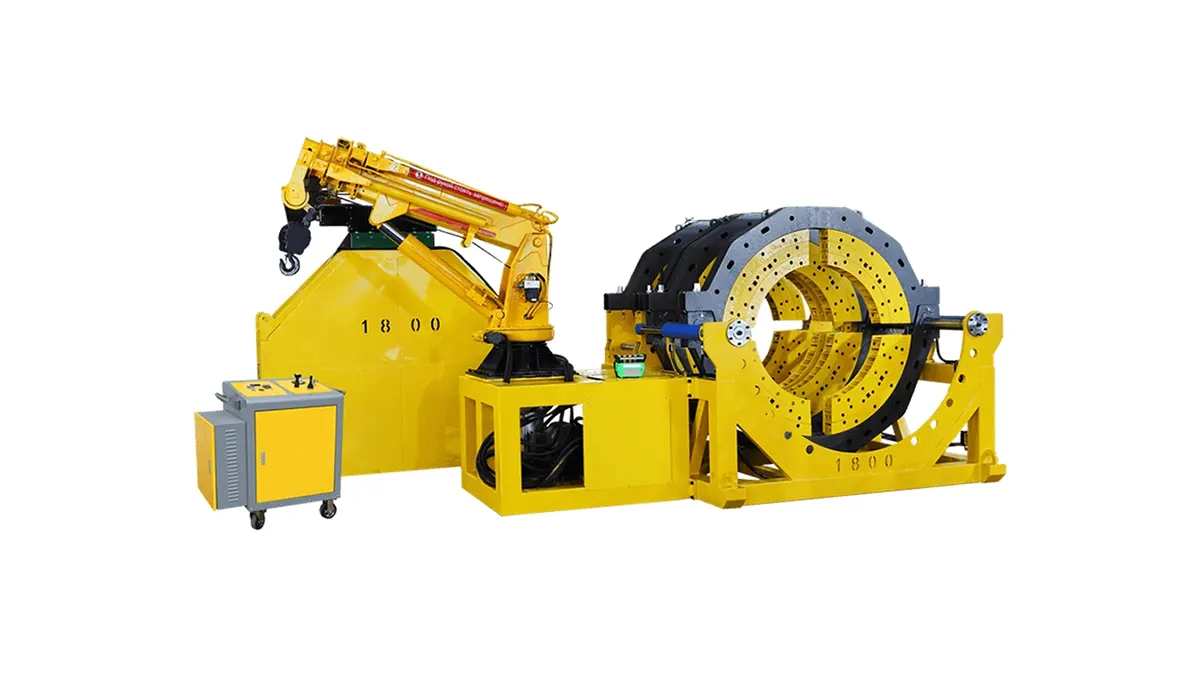
Core Advantages
Consistency: Hydraulic pressure regulation ensures uniform fusion across the joint. Efficiency: Faster setup and fewer operator adjustments. Scalability: Models cover small to very large diameters for pipeline projects.
How to Choose: Key Selection Criteria
Selecting the right model comes down to pipe diameter range, automation level, site conditions, and budget. Below is a quick comparison to match needs with machine types and features.
| Criteria | What to Look For | Recommended Machine Type |
|---|---|---|
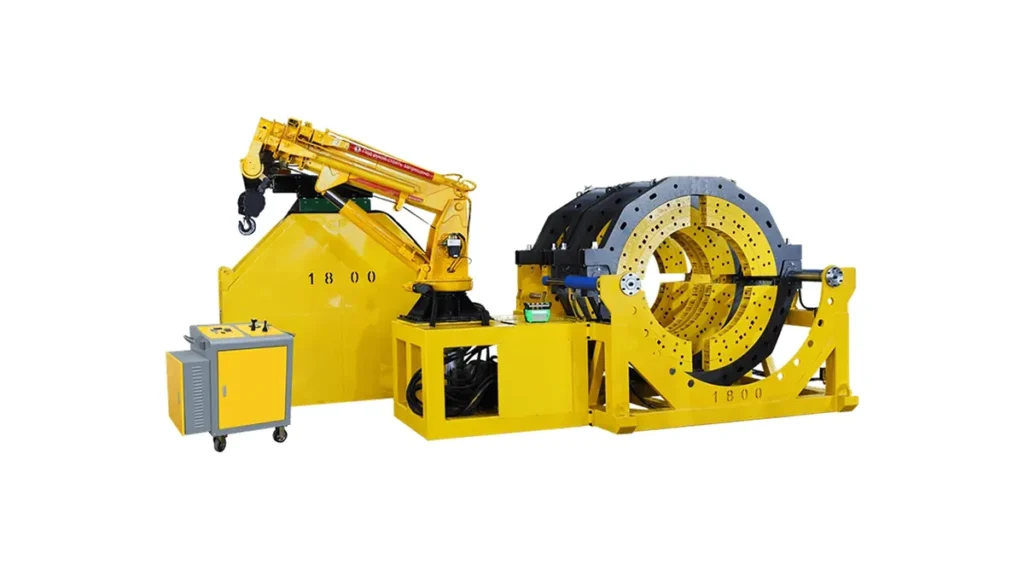
| Pipe diameter | Range coverage, clamping flexibility | Hydraulic units for >160mm; manual for small sizes |
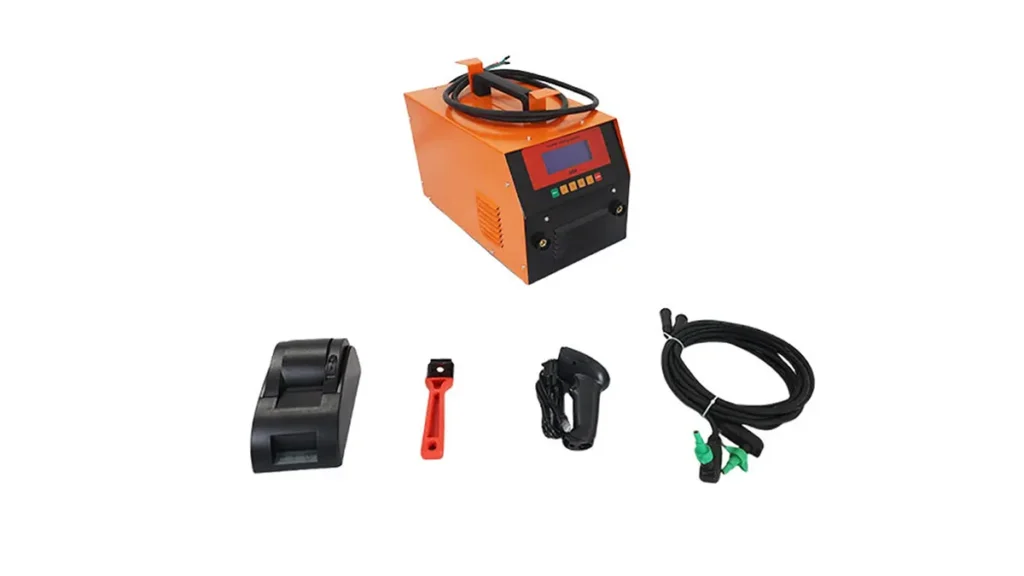
| Automation & control | Digital timers, programmable pressure & temperature | CNC automatic for high-volume or precision work |
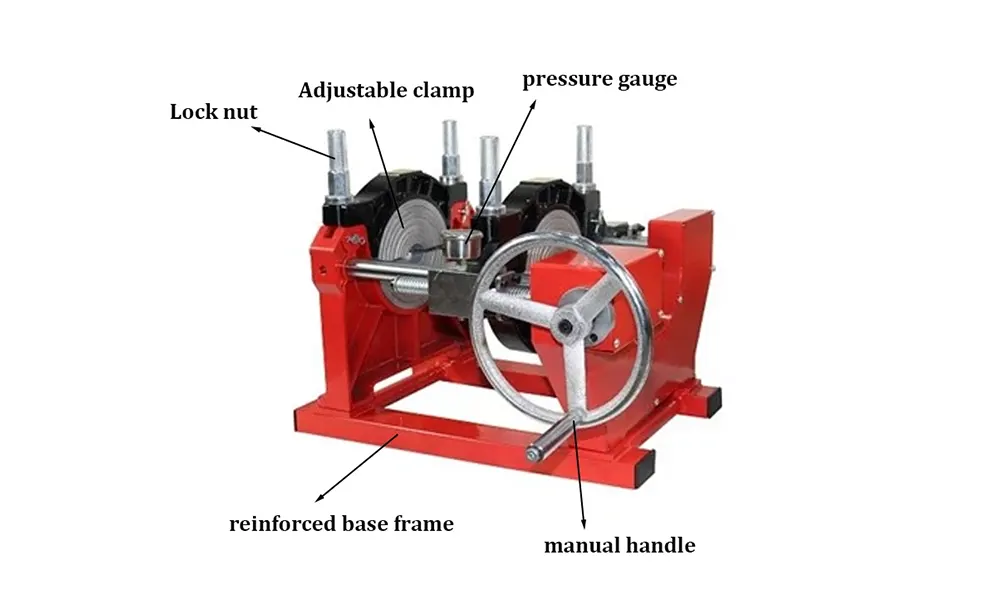
| Portability | Weight, quick-setup features, trailerable frames | Compact hydraulic or manual models |
| Site environment | Outdoor temperature range, dust, accessibility | Robust hydraulic frames with protective plates |
| Budget & ROI | Initial cost vs long-term productivity | Hydraulic for mid/high ROI; manual for lowest capex |
Operational Tips for Reliable Welds
Prepare pipe ends precisely, clean melting surfaces, and follow recommended heating and cooling cycles. Use calibrated hydraulic pressure gauges and check alignment frequently. For field welding, protect the heating plate from wind and dust to maintain stable temperatures. Regularly inspect clamping jaws and hydraulic seals to prevent pressure loss.
Maintenance Checklist
– Inspect the hydraulic fluid level and replace per manufacturer schedule.
– Keep heating plate surfaces free of contaminants and replace non-uniform plates.
– Lubricate guide rails and check electrical/timer components for damage.
– Train operators in standardized fusion procedures and quality checks.
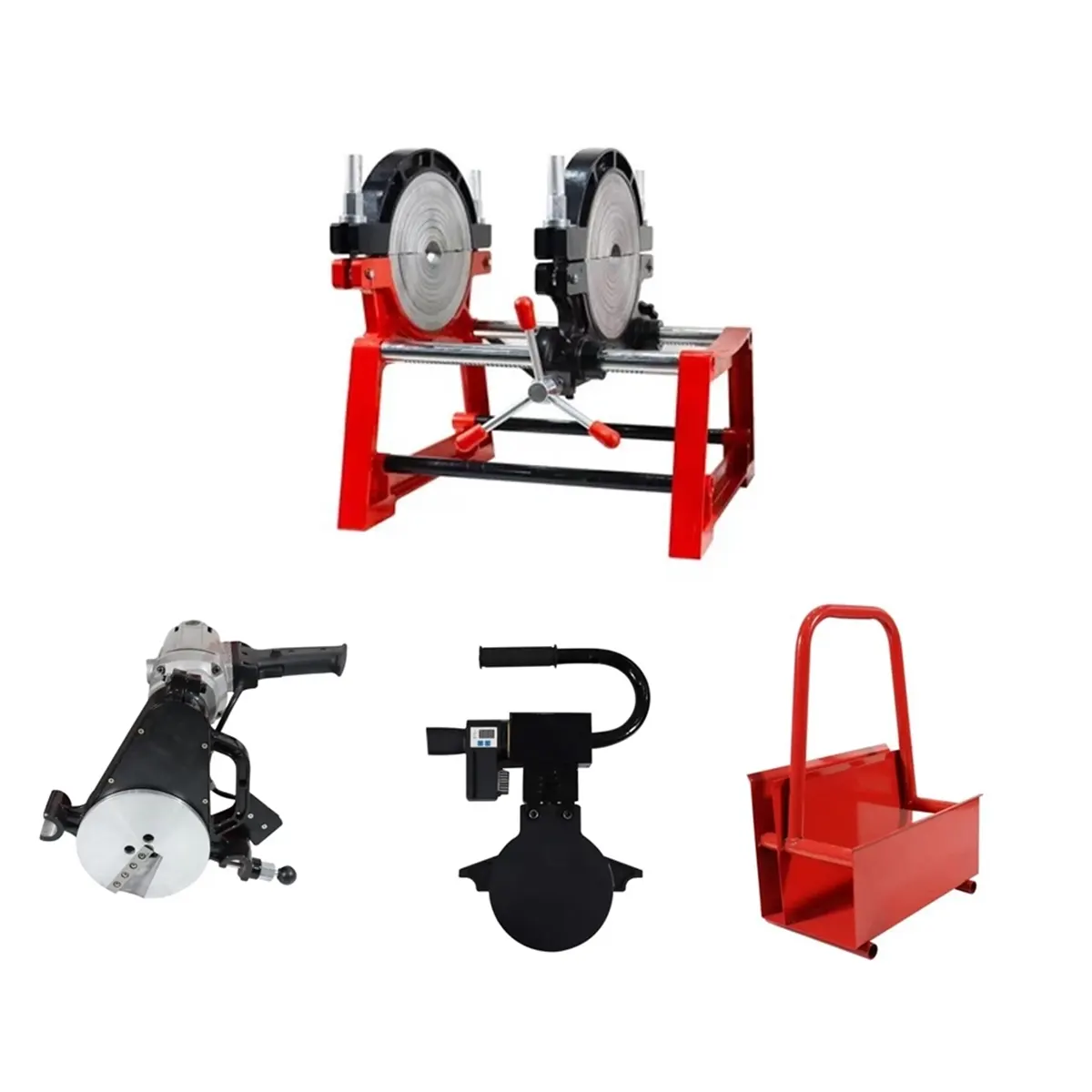
Applications Where Hydraulic Machines Excel
Hydraulic butt fusion machines are often preferred for municipal water networks, large-diameter gas pipelines, mining and slurry systems, and industrial process piping. They are ideal when consistent joint strength and repeatable weld cycles are required across many fittings.
Final Considerations
Match the machine capacity to your largest expected pipe diameter, factor in the need for automation versus portability, and evaluate total cost of ownership. For trusted HDPE butt fusion solutions and production support, consider contacting JQ-Fusion for model selection and custom configurations: JQ-Fusion.