
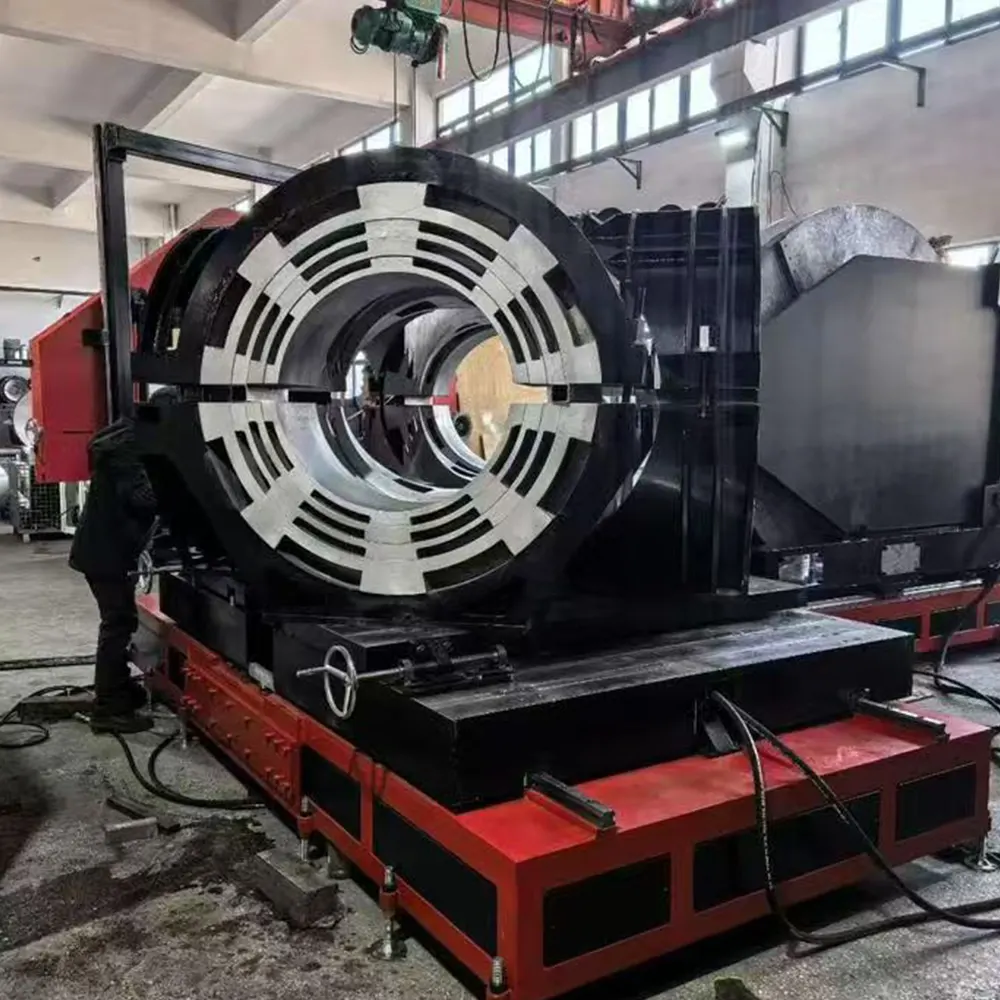
Fusion welding inspection is the discipline that helps ensure a thermoplastic pipe joint is not only visually acceptable, but also mechanically sound, repeatable, and ready for long-term service. In pipeline construction, a weld can look smooth from the outside and still fail if the heat, pressure, alignment, or cooling stages were not controlled properly. That is why inspection is not a single action at the end of the job; it is a sequence of checks that begins before heating starts and continues until the joint has fully cooled and been accepted.
For contractors, distributors, and project owners, understanding the fusion welding inspection process reduces rework, protects assets, and improves safety. Whether the work is for water supply, gas distribution, mining, or industrial piping, a reliable inspection routine supports consistent joint quality across the entire project. If you are working with a butt fusion machine, the inspection process is just as important as the machine itself, because even advanced equipment requires correct setup, calibration, and operator discipline.
Key idea: fusion welding inspection is a quality control system, not a single test. It checks the machine, the materials, the procedure, the operator, and the finished joint.
What Fusion Welding Inspection Means
Fusion welding is the process of joining compatible plastic pipes or fittings by heating the surfaces and pressing them together until they cool into a single, continuous joint. In butt fusion welding, the two pipe ends are heated against a platen, then brought together under controlled pressure. Because the joint becomes part of the pipeline structure, its integrity depends on strict control of each step.
Inspection in this context means verifying that the entire welding process meets the required standard. It includes checking equipment condition, pipe preparation, environmental conditions, alignment, temperature, pressure, heating time, bead formation, and cooling. The purpose is to make sure the final weld matches the project specification and industry requirements.
Inspection is both preventive and corrective: it helps prevent defective welds and allows teams to stop work early when conditions are not suitable.
Why the Inspection Process Matters
In pipeline systems, a poor weld can cause leakage, pressure loss, contamination, downtime, environmental damage, or even a major safety incident. Unlike some mechanical joints, a fusion weld cannot simply be tightened later. If a joint is made incorrectly, it often must be cut out and redone. That is expensive and time-consuming, especially on large projects.
Inspection improves the chances of getting the weld right the first time. It also creates traceability. When a project has proper records of machine settings, operator identity, material batch numbers, and inspection results, it becomes much easier to prove compliance and troubleshoot problems later.
For global contractors working under strict project timelines, quality inspection also protects reputation. Reliable welds reduce callbacks, improve client trust, and support safer long-term pipeline operation.
Main Stages of the Fusion Welding Inspection Process
1. Pre-Weld Inspection
Pre-weld inspection begins before the pipe ends touch the heating plate. This stage focuses on confirming that the materials, tools, and environment are suitable for fusion.
Pipe and fitting verification: inspectors check that the pipe size, wall thickness, material grade, and SDR are correct and compatible. The wrong combination can weaken the joint or make fusion impossible.
Equipment condition: the machine is inspected for hydraulic stability, clamp alignment, heater surface condition, planer sharpness, and temperature control accuracy. On projects using modern equipment from experienced manufacturers such as JQ-Fusion, these checks are still necessary before every shift.
Environmental conditions: wind, rain, dust, extreme cold, and direct sunlight can affect heating and cooling. Inspectors should confirm that the work area is suitable or that the necessary protection measures are in place.
Surface cleanliness: pipe ends must be clean and free from grease, mud, moisture, oxidation, and debris. Contamination is one of the most common causes of joint failure.
During this stage, the operator also confirms the correct fusion procedure, required temperatures, cooling time, and pressure settings. This is especially important on custom or large-diameter jobs where project specifications may differ.
2. Alignment and Clamping Inspection
Before heating, both pipe ends must be aligned correctly in the machine clamps. Misalignment creates stress concentration and can reduce the strength of the finished joint. The inspector checks whether the pipe ends are centered, secure, and held without excessive deformation.
Important: even a small angular or offset error can affect the weld bead shape and the performance of the joint under pressure.
The clamp system should hold the pipes firmly without slipping. If the machine is hydraulic, pressure readings should be stable. If the system is manual, the operator must still confirm consistent force and proper pipe support. Good alignment is the foundation of a high-quality weld.
3. Facing and Surface Preparation Inspection
Facing removes a thin layer from the pipe ends to create smooth, parallel, fresh surfaces. Inspectors look for clean, continuous shavings and even facing across the entire diameter. If the faces are uneven, the weld may not fuse properly across the full area.
The surface should be fresh and free from oxidation before the heater is applied. In some projects, the inspector also confirms that the time between facing and heating is short enough to avoid contamination. The goal is to preserve the quality of the prepared surface until fusion begins.
4. Heating and Temperature Control Inspection
Heating is one of the most critical phases in fusion welding. The heater plate must reach and maintain the correct temperature for the specific material and procedure. If the temperature is too low, the material may not soften enough to fuse. If it is too high, the polymer can degrade and weaken.
Inspectors verify the heater temperature with calibrated instruments and confirm that the plate surface is clean and undamaged. The heating cycle must also follow the required timing. Too little heat leads to poor melt formation; too much heat can create excessive deformation.
A good inspection team never assumes the heater is correct just because the display looks right. Calibration and confirmation are essential, especially on critical pipeline work.
5. Fusion and Pressure Application Inspection
After heating, the pipe ends are brought together under controlled pressure. The inspector checks the timing of platen removal, the speed of joint closure, and the final fusion pressure. These variables affect the bead formation and internal bond.
A well-formed external bead usually indicates proper melt flow, though bead appearance alone does not guarantee quality. The joint should be uniform around the entire circumference, without major gaps, burns, or obvious contamination.
Operators and inspectors should also observe whether the pressure application is smooth and consistent. Sudden pressure changes may disturb the molten surfaces and compromise fusion. In projects that use automated systems, data logging helps preserve the process record for later review.
6. Cooling and Post-Fusion Inspection
Once the joint has been fused, it must cool under controlled conditions. This stage is often overlooked, but it is essential. The weld should not be moved, rotated, or stressed before the cooling period is complete. Premature handling can introduce internal defects or distort the joint.
After cooling, the inspector examines bead symmetry, joint alignment, surface condition, and any signs of cracking, voids, or contamination. The inspection team may also compare the result against approved visual standards or project acceptance criteria.
In some cases, records are completed at this stage, including the operator name, machine serial number, date, location, material information, and inspection result. This documentation is important for traceability and quality assurance.
Tools and Methods Used in Inspection
Fusion welding inspection may involve simple visual checks, measuring tools, calibrated temperature devices, pressure monitoring systems, and digital record keeping. On larger projects, teams may also use destructive testing on sample joints, bend tests, or other verification methods required by the project specification.
Common inspection tools include:
- Temperature gauges for verifying heater plate accuracy
- Pressure gauges for confirming hydraulic performance
- Alignment tools for checking pipe centering and offset
- Measuring devices for bead shape and joint dimensions
- Inspection checklists for consistent documentation
Modern equipment from a professional manufacturer can make inspection easier by offering more stable temperature control, accurate hydraulic pressure, and dependable clamp alignment. These features support better process consistency, but they do not eliminate the need for trained inspectors.
Best practice: combine machine performance checks with operator procedure checks and final joint review for the strongest quality control.
Common Defects Found During Inspection
Inspectors are trained to identify problems before a pipeline is put into service. Some common defects include:
Misalignment: pipe ends are not centered or level, causing uneven loading.
Contamination: dirt, oil, or moisture prevents proper fusion.
Incorrect temperature: the heater was too hot or too cold for the material.
Incorrect pressure: fusion pressure was outside the required range.
Insufficient cooling: the joint was disturbed before it fully solidified.
When these defects are found, the affected weld usually needs to be cut out and redone. That is why thorough inspection before and during welding is far more efficient than relying on final visual review alone.
How Manufacturers Support Better Inspection Results
Equipment quality has a major impact on inspection outcomes. A well-built butt fusion machine with stable hydraulics, accurate temperature control, and strong structural design helps operators achieve repeatable results. This is one reason many project teams prefer reliable suppliers with proven production capability, quality control, and technical support.
JQ-Fusion, for example, focuses on manual, hydraulic, and CNC automatic butt fusion welding machines for a wide range of pipe diameters. In real projects, features such as precision machining, stable clamp alignment, and comprehensive testing make inspection easier because the equipment behaves predictably. When machines are customized for voltage, color, configuration, or branding, the same quality principles still apply: performance must be checked before production use.
If a supplier also offers training, technical guidance, and fast support, inspection becomes more effective because operators can quickly solve setup issues, verify parameters, and maintain process discipline in the field.
Documentation and Traceability
Good inspection is not complete without documentation. A welding record should clearly show what was welded, when it was welded, who performed the work, what machine was used, and whether the weld passed inspection. This record is useful for audits, maintenance planning, and future troubleshooting.
On large pipeline projects, traceability may include material certificates, operator qualification records, calibration logs, and job-specific procedure sheets. These documents help ensure that the welding work is consistent with the project’s technical requirements and international standards.
Final Thoughts
Fusion welding inspection is essential to achieving strong, safe, and durable pipe joints. It begins before the first heating cycle and ends only after the completed weld has been confirmed as acceptable. The process covers pipe preparation, equipment condition, alignment, temperature control, pressure control, cooling, and final record keeping. When each stage is handled carefully, the result is a pipeline system that performs reliably under real-world conditions.
For contractors and distributors, the best approach is to combine skilled operators, stable machines, and strict inspection habits. That combination reduces risk, improves productivity, and protects project quality over the long term.
Frequently Asked Questions
What is the main purpose of fusion welding inspection?
The main purpose is to confirm that the weld meets required quality standards and will perform safely in service. Inspection helps detect issues before the pipeline is put into operation.
When should inspection start?
Inspection should start before welding begins. Pre-weld checks are necessary for materials, machine condition, cleanliness, alignment, and environmental suitability.
Can a visually good weld still be defective?
Yes. A weld may look acceptable on the outside but still have internal problems caused by wrong temperature, pressure, contamination, or poor cooling control.
Why is cooling inspection important?
Cooling inspection is important because the joint must remain undisturbed until it fully solidifies. Early movement can weaken the weld or create hidden defects.
What records should be kept after inspection?
Typical records include machine details, operator information, material data, process settings, calibration status, and final inspection results for traceability and compliance.



