
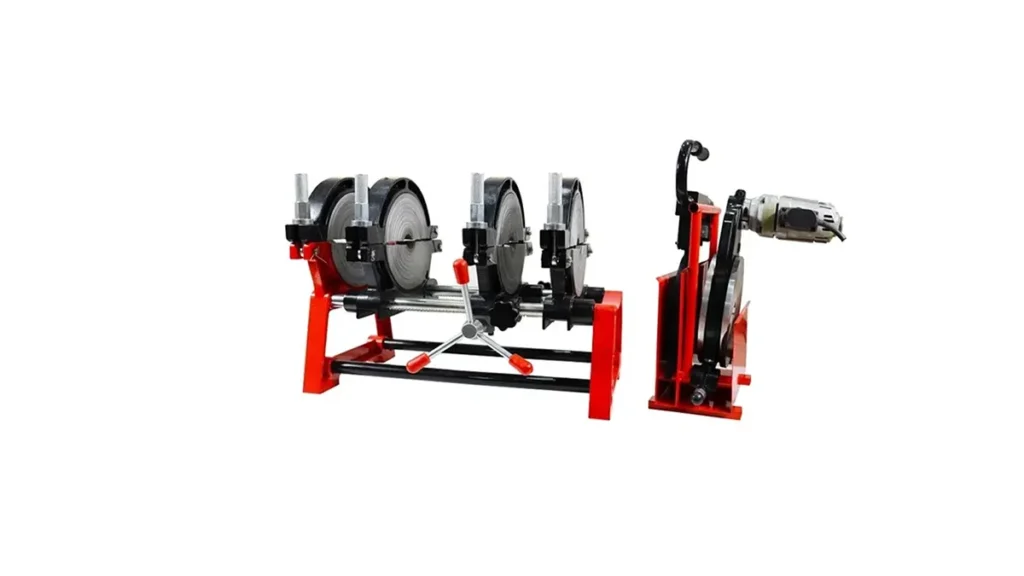
Temperature control errors during HDPE pipe butt fusion can cause weak joints, overheating, or incomplete fusion. This guide explains common causes, practical diagnostic steps, and durable solutions to restore consistent weld quality for contractors, utility crews, and site technicians working with HDPE systems.
Common Causes of Temperature Control Errors
1. Heating Plate or Heater Element Failure
Worn or damaged heating plates and internal heater elements are a primary cause of uneven or insufficient temperature. Surface damage, warped plates or broken heating cartridges reduce heat transfer and produce localized cold spots.
2. Thermocouple or Sensor Misplacement
If the thermocouple is not positioned correctly or the contact is poor, the controller receives incorrect readings and adjusts heating incorrectly. Loose sensor connections, broken wires, or corroded contacts also trigger errors.
3. Power Supply Instability
Voltage drops, unstable generators, and poor-site wiring create fluctuating heating output. Intermittent power can cause the controller to cycle heaters on/off, leading to inconsistent plate temperatures.
4. Incorrect Welding Parameters
Using wrong temperature settings for pipe material (PE80 vs PE100), SDR, or wall thickness leads to under- or over-fusion. Factory presets sometimes don’t match field conditions—double-check fusion charts.
5. Environmental and Surface Conditions
Cold weather, wind, and dirty or oxidized pipe ends increase heat loss and require compensation. Contaminants on the heating plate or pipe face reduce thermal contact and uneven heating.
6. Controller or PID Calibration Drift
Older controllers or improperly tuned PID parameters can respond slowly or overshoot target temperature. Firmware bugs or internal component aging may also affect accuracy.
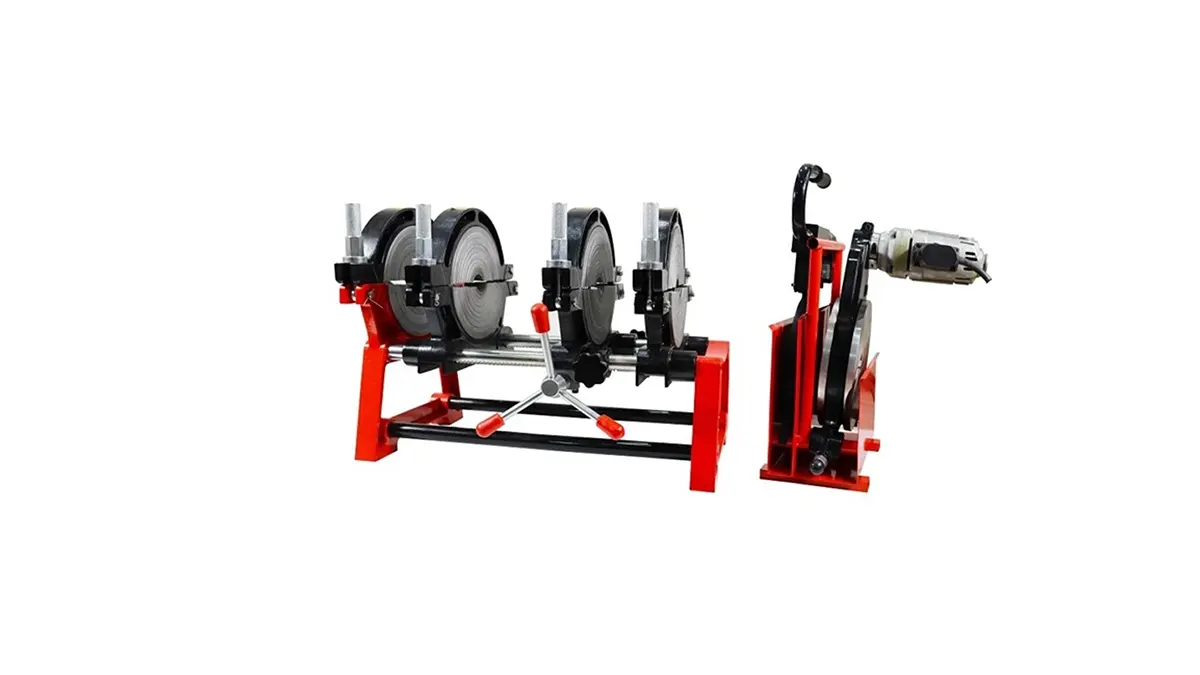
Practical Diagnostic Steps
Initial quick checks
- Confirm mains voltage and generator stability at the machine.
- Visually inspect heating plate for scratches, deposits or warping.
- Check thermocouple wiring and connectors for corrosion or breaks.
- Verify controller displays and error codes—note timestamps for logs.
Temperature verification
Use an external calibrated thermocouple or infrared thermometer to verify heating plate surface temperature at multiple points. Compare these readings to the controller setpoint to identify sensor offset or plate non-uniformity.
Solutions and Corrective Actions
Repair or replace faulty components
Replace damaged heating plates, worn cartridges, or failing thermocouples. Use OEM or high-quality replacement sensors to avoid drift. Ensure connectors are tightened and sealed from moisture.
Re-calibrate and tune controller
Recalibrate the controller against a trusted external sensor. If available, update firmware and tune PID settings to the specific thermal mass of the heating plate and pipe diameter used on site.
Stabilize the power source
Install a voltage stabilizer or use a properly sized generator for remote sites. For static installations confirm site wiring and breaker sizing to prevent voltage sag during heating cycles.
Optimize procedural parameters
Adjust temperature, heating time, and pressure according to pipe material and SDR. When in doubt, follow the pipe manufacturer’s fusion chart or an approved standard such as ISO 21307 / EN 12201 guidance.
| Material / SDR | Recommended Plate Temp (°C) | Typical Heating Time* |
|---|---|---|
| PE100, SDR 11 | 200 ± 10 | 30–60 s per 10 mm wall |
| PE100, SDR 17 | 200 ± 10 | 15–40 s per 10 mm wall |
| PE80, general | 200 ± 10 | 20–50 s per 10 mm wall |
| Large-diameter (>450 mm) | 200 ± 10 (monitor multiple points) | Increase per manufacturer’s chart |
*Heating times vary by machine type, clamp pressure and ambient temperature—use the table as a starting point and validate with test welds.
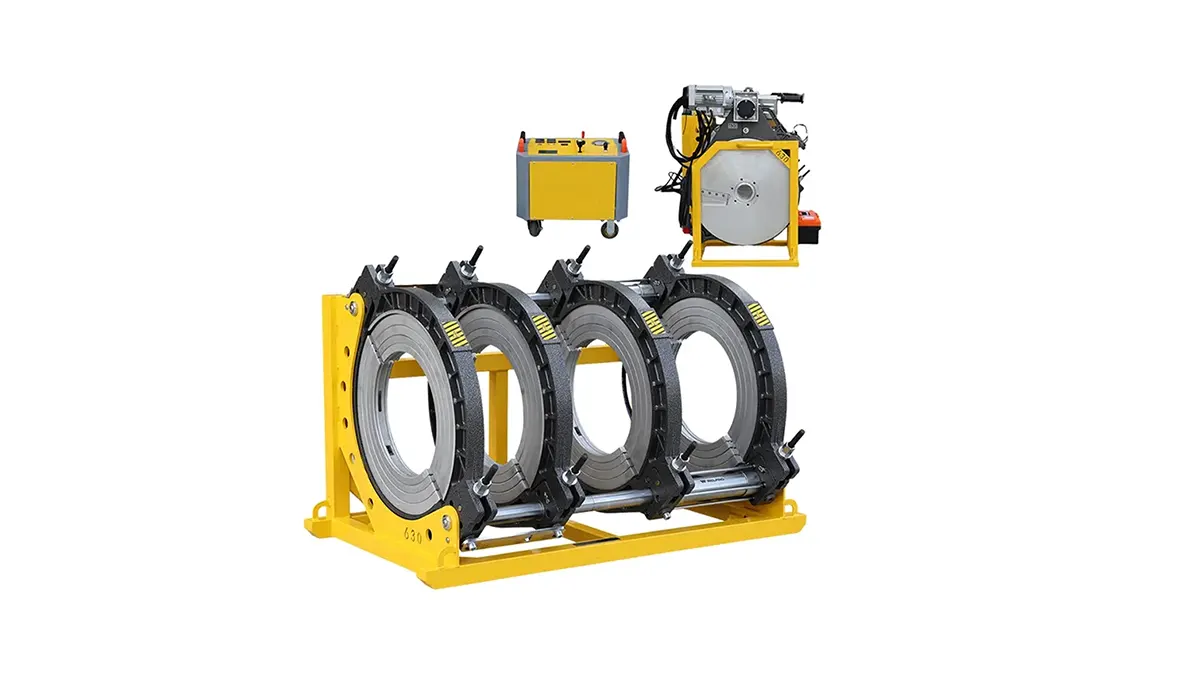
Calibration & Verification Best Practices
- Calibrate thermocouples annually and after any repair or impact event.
- Record plate surface temps at multiple points before every production run.
- Log ambient temperature and wind conditions—use windbreaks or heated tents for cold-weather work.
- Perform destructive test coupons when changing materials, machine models, or operators.
Preventive Maintenance Checklist
Weekly
- Inspect plate surface and clean with recommended solvent; remove oxidation.
- Check sensor wiring and connector tightness.
Monthly
- Verify controller calibration with a certified thermocouple.
- Test heater cartridge resistance and replace if out-of-spec.
Before each long job
- Run a warm-up sequence and record uniformity across the plate surface.
- Make a test joint and complete a peel/shear test if required.
Quick Troubleshooting Matrix
| Symptom | Likely Cause | Immediate Fix |
|---|---|---|
| Controller reads target but plate cooler | Sensor misplacement or faulty thermocouple | Verify sensor placement; use external thermometer; replace sensor |
| Plate overheats and overshoots | PID tuning or sensor short | Power cycle, check sensor resistance, recalibrate PID |
| Uneven fusion bead | Warped plate or poor contact | Replace plate and clean pipe/plate surfaces |
| Intermittent heating | Power instability | Check supply, use stabilizer or larger generator |
Tools and Best Practices for Consistent Results
- Use calibrated IR thermometers and spare thermocouples on site to cross-check readings.
- Maintain a job log with setpoints, ambient conditions, and test weld results for traceability.
- Train operators on machine-specific procedures and recognition of early symptoms of temperature drift.
About JQ-Fusion: JQ-Fusion is a professional manufacturer specializing in HDPE pipe welding machines and reliable butt fusion solutions for infrastructure projects worldwide — https://jq-fusionwelding.com/.



