
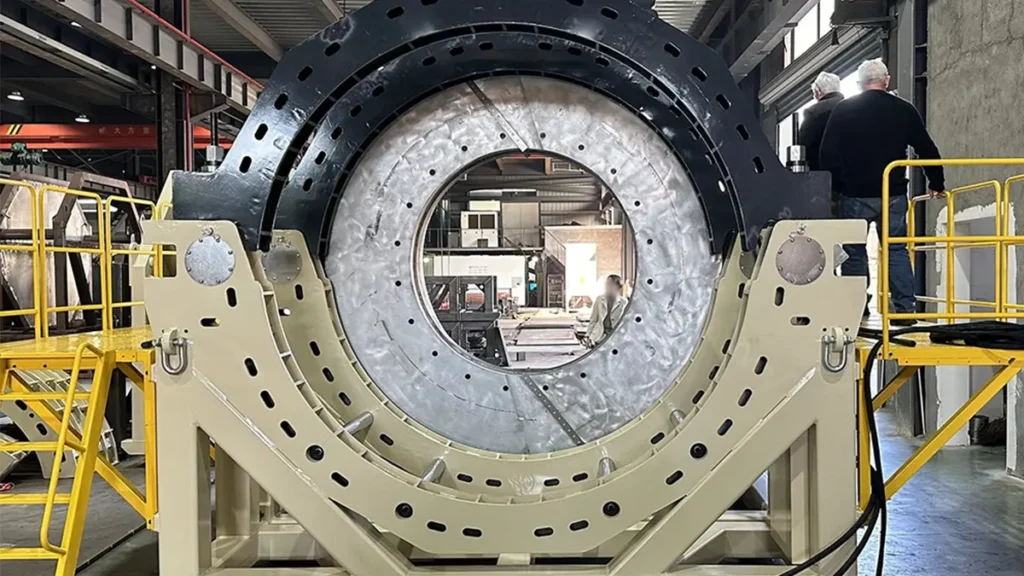
Reliable pipeline welding begins with the right equipment. This guide explains how modern butt fusion and electrofusion machines deliver durable HDPE pipeline joints for water, gas, mining and industrial networks, and what to consider when selecting a pipe fusion machine for your projects.
Why Choose High-Quality Pipe Fusion Equipment?
Durability and consistency are essential for pressure-bearing pipelines. Machines built with robust frames and precision components reduce joint failures, labor time and rework. Investing in quality fusion equipment improves field productivity and long-term system reliability.
Core Benefits at a Glance
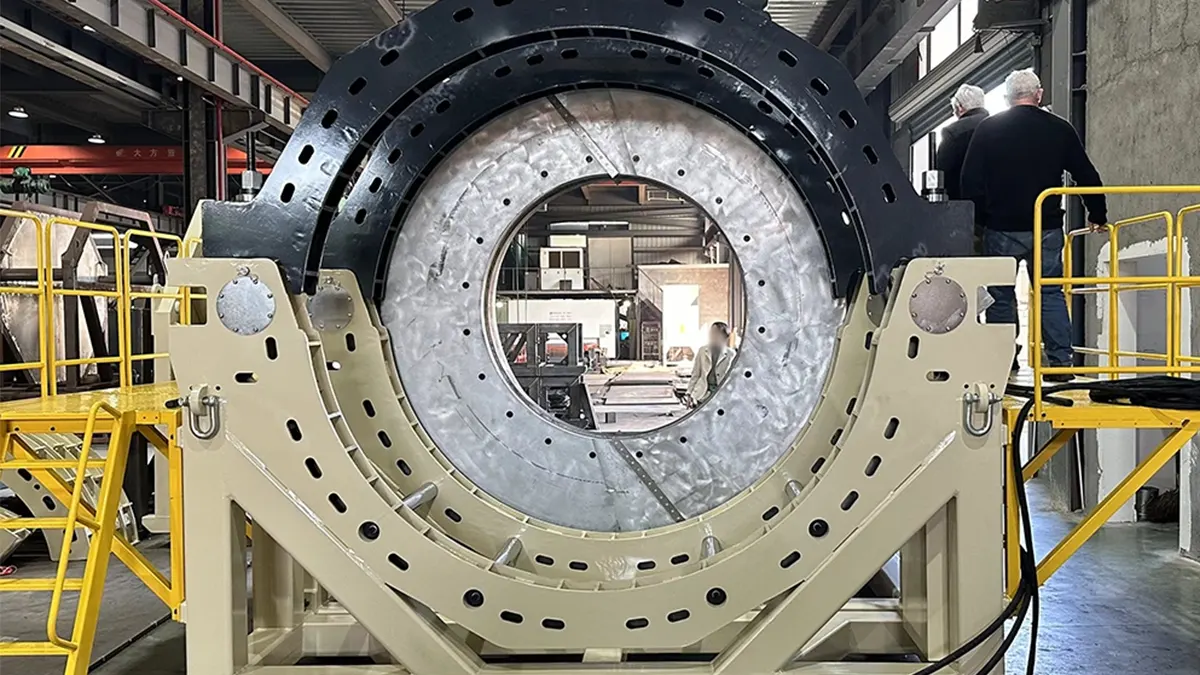
Precision fusion control reduces human error. Hydraulic and CNC automatic systems offer repeatable heat, pressure, and timing control. Portable manual frames give flexibility on small jobs while hydraulic and automatic machines scale up for large-diameter pipelines.
Real-World Advantages
- Faster cycle times—optimized heaters and hydraulic clamps shorten weld cycles.
- Improved safety—stable clamping and consistent heating lower accident risk and weld defects.
- Adaptability—models for 20mm to multi-meter diameters cover municipal, industrial and mining applications.
Product Types and Typical Applications
Different projects demand different fusion solutions. Choose based on pipe diameter, site conditions, and required automation level.
Manual Butt Fusion Machines
Ideal for small-diameter work and tight sites. Lightweight frames, simple trimmers and hand-operated presses make these machines a cost-effective option for local repairs and distribution networks.
Hydraulic Butt Fusion Machines
Best for medium to large diameters and longer runs. Hydraulic systems provide stable, uniform pressure and are widely used in water supply, gas distribution and industrial pipeline projects where consistency matters.
CNC Automatic & Electrofusion Systems
CNC automatic butt fusion and electrofusion control stations deliver the highest repeatability and data logging. These are preferred for large infrastructure projects, where traceability and minimized human variation are required.
Key Technical Features to Compare
When evaluating machines, focus on:
- Clamping range and modular frames—for fast changeovers across diameters.
- Heating plate design—uniform temperature profile and durable coatings.
- Pressure control—hydraulic stability or CNC-regulated pressure curves.
- Data logging & control—essential for compliance and quality assurance on regulated projects.
Popular Models Comparison
| Model | Pipe Range | Control | Best For |
|---|---|---|---|
| Manual Frame JQSY | 20mm–160mm | Manual | Repair & small installs |
| Hydraulic JQH Series | 160mm–2000mm+ | Hydraulic | Long runs & large diameter |
| Automatic JQA Series | 63mm–1250mm | CNC / Data logging | Infrastructure & certified projects |
Site Tips: Installation, QA and Maintenance
Proper surface preparation, correct heater temperatures, and controlled cooling are essential. Follow a documented fusion procedure and use calibrated gauges. Routine maintenance—cleaning plates, checking hydraulic fluids and inspecting clamps—extends machine life and keeps weld quality high.
Spares & Support
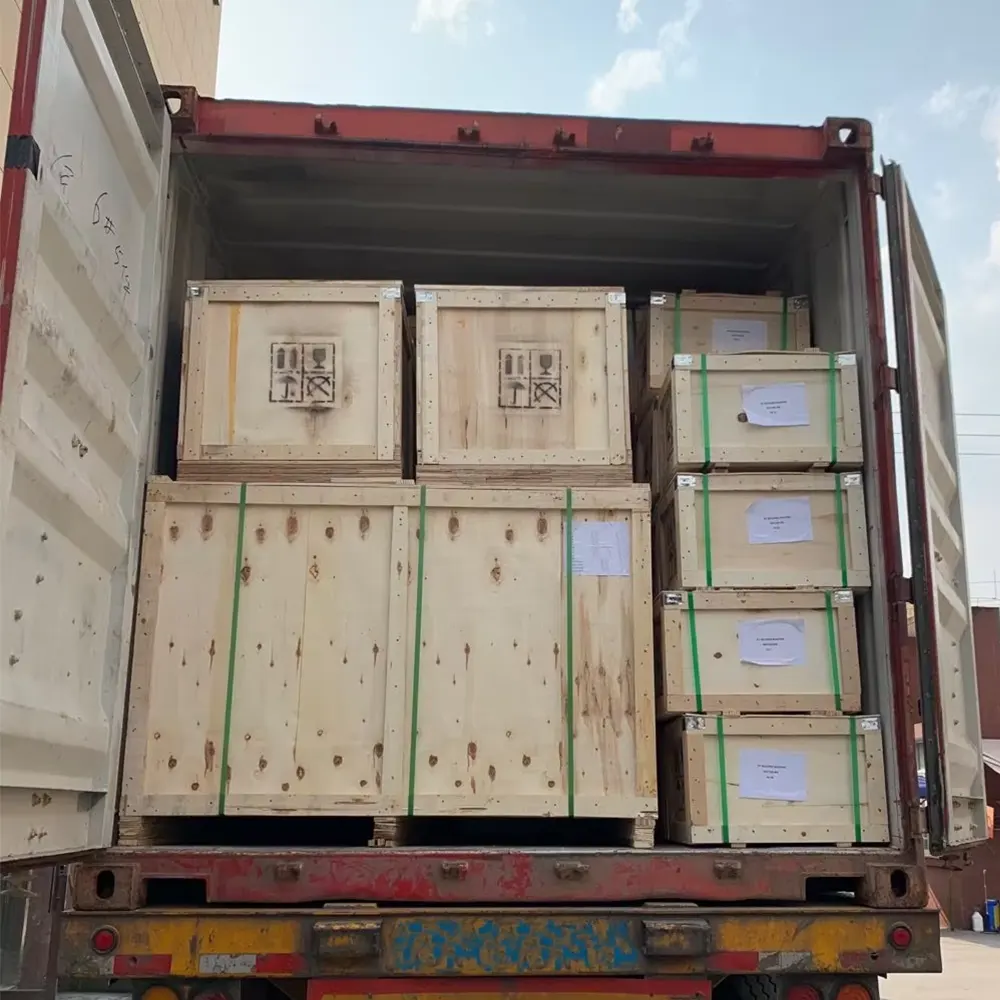
Keep spare heating plates, trimming cutters and hydraulic seals on hand. For technical support and spare parts, contact your manufacturer or authorized distributor to minimize downtime.
Get the Right Machine for Your Project
For trusted butt fusion solutions and a wide product range including manual, hydraulic and automatic machines, consider contacting the manufacturer directly: JQ-Fusion. One expert consultation can match the optimal machine to your application, helping you secure reliable pipeline joints and efficient on-site performance.



