
High-density polyethylene (HDPE) pipe welding equipment is central to creating durable, leak-free pipeline systems for water, gas, mining, and industrial projects. Choosing the right welding machine impacts joint quality, installation speed, and long-term performance. This guide compares popular HDPE pipe welding equipment types, highlights the best features to look for, and offers a practical buying checklist to help contractors and procurement teams make informed decisions.
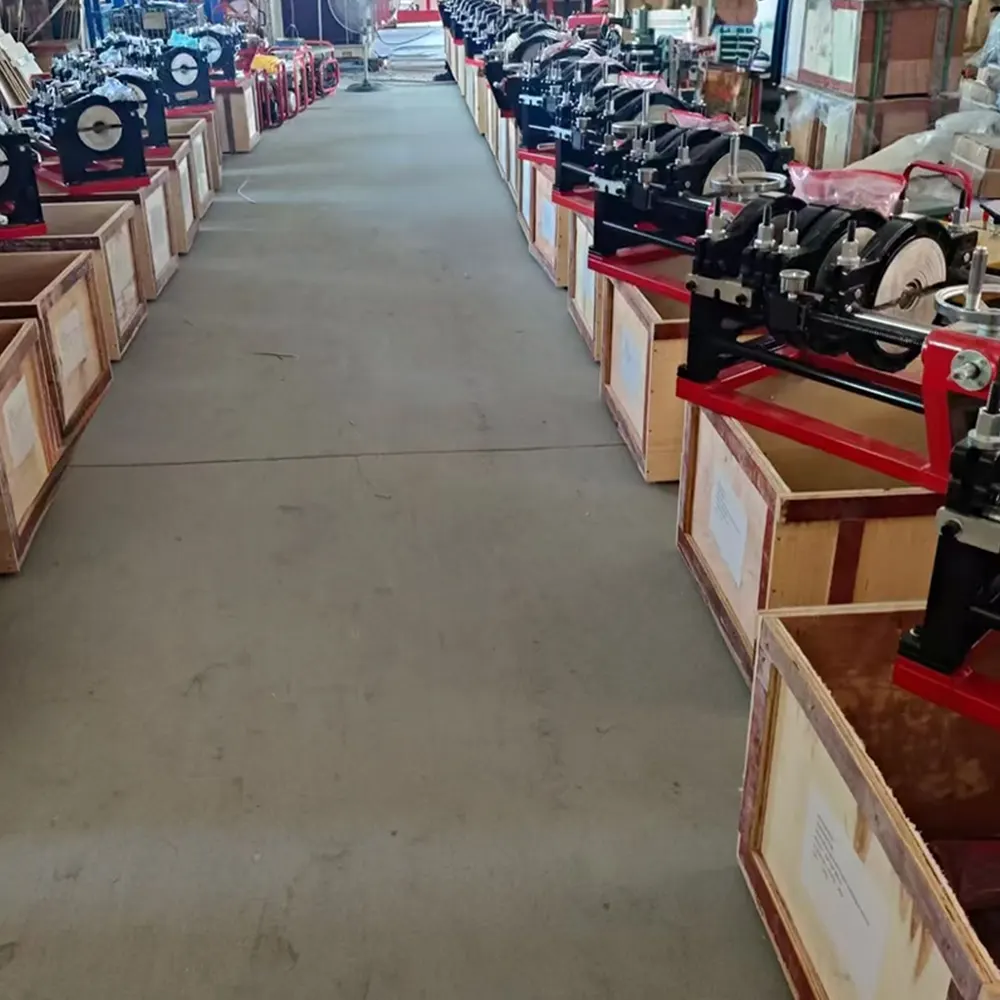
Why HDPE Butt Fusion Welding Matters
Butt fusion welding creates homogeneous joints by heating and pressing pipe ends together until they fuse. This method produces strong, corrosion-resistant connections that match the base material’s mechanical properties. For critical utility lines where long-term reliability matters, the right fusion equipment reduces rework and lifecycle costs.
Main Types of HDPE Pipe Welding Equipment
Manual Butt Fusion Machines
Manual machines are straightforward, portable, and cost-effective for small-diameter pipes (typically 20–630 mm). They require operator skill for alignment, heating, and joining, making them ideal for repair work, service lines, and small projects where mobility matters.
Hydraulic Butt Fusion Machines
Hydraulic units provide controlled pressure and consistent clamping for medium to large-diameter pipes (from ~160 mm up to several meters). They reduce operator fatigue and improve joint consistency, suitable for municipal water mains and medium industrial pipelines.
CNC / Automatic Butt Fusion Machines
Automatic machines use programmable controllers for precise heating, upset, and cooling stages. Best for high-volume production and large-diameter pipelines, they ensure repeatability, full process documentation, and reduced human error.
Electrofusion Units
Electrofusion is ideal for fittings, house connections, or when joining pipes with pre-moulded couplers. Portable electrofusion machines supply controlled current to embedded coils in fittings, producing localized melts for secure joints.
Multi-Angle & Fittings Welding Machines
Specialized multi-angle welding equipment handles complex fittings and branch connections with precise alignment. These machines streamline on-site fabrication where angled joints and tees are frequent.
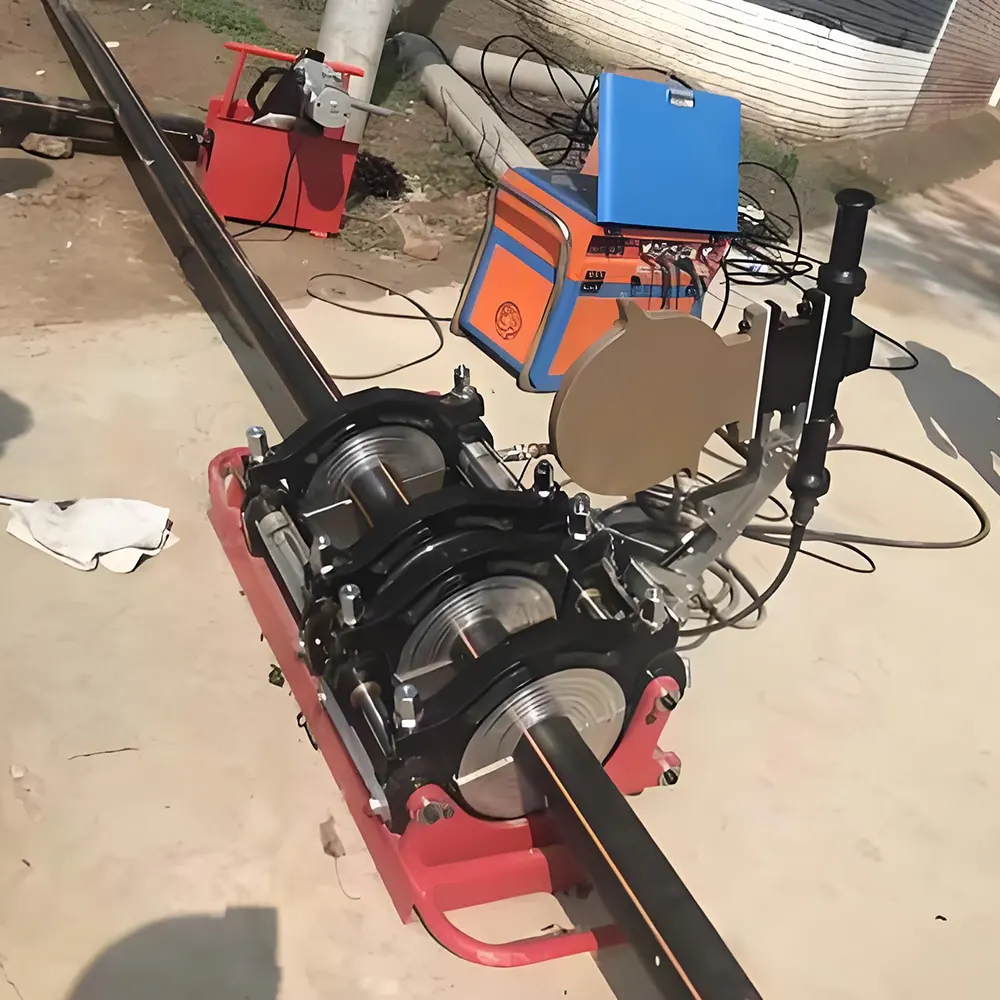
Key Features to Compare
When comparing machines, focus on repeatability, pressure control, heater plate quality, alignment systems, and documentation capabilities. Warranty, spare parts availability, and after-sales service are also critical for reducing downtime.
| Type | Best For | Typical Size Range | Strengths | Limitations |
|---|---|---|---|---|
| Manual Butt Fusion | Service lines, small projects | 20–630 mm | Portable, low cost | Operator-dependent quality |
| Hydraulic Butt Fusion | Medium/large mains | 160–1800+ mm | Consistent pressure, heavy-duty | Higher transport/logistics needs |
| CNC / Automatic | High-volume, critical pipelines | 160–2250 mm+ | High precision, data logs | Higher capital cost |
| Electrofusion | Fittings, service connections | 20–630 mm (fittings) | Portable, simple for couplers | Dependent on fitting quality |
Buying Guide — How to Choose the Right Machine
• Project scale: For single repairs choose manual machines; for municipal or pipeline contractors, prefer hydraulic or CNC units.
• Diameter range: Confirm the machine covers the minimum and maximum pipe sizes you’ll weld—overspec’ing adds cost, underspec’ing blocks project needs.
• Process control: Look for accurate pressure gauges, digital timers, and heater plate thermostats to ensure repeatable joints.
• Portability vs. automation: Balance field mobility with productivity. Automatic machines reduce human error but need power supply and transport planning.
• Support & spare parts: Choose a supplier with accessible spare parts, training, and technical support to minimize downtime.
Maintenance, Training & Safety
Regular maintenance extends service life: keep heater plates clean, inspect clamps/pistons, and perform scheduled calibration. Operator training on ISO/ASTM fusion procedures ensures weld quality. Always use PPE, stabilize pipelines during welding, and follow cooling-time guidelines to avoid joint stress.
Top Use Cases & Industries
HDPE welding equipment is used across water distribution, gas transmission, mining slurries, irrigation systems, and industrial chemical lines. Contractors working on large infrastructure projects often invest in hydraulic or CNC machines for efficiency and compliance documentation.
Pricing & Return on Investment
Initial costs vary widely: manual machines are the lowest-cost entry; hydraulic and automatic systems are pricier but yield faster cycle times and lower long-term labor costs. Factor in reduced leak risks and lifecycle savings when evaluating ROI.
Manufacturer Note
JQ-Fusion is a manufacturer specializing in HDPE butt fusion machines, offering manual, hydraulic, and CNC automatic solutions across multiple pipe diameters to support global infrastructure projects.
Final Checklist Before Purchase
• Confirm size range and compatibility with pipe SDR/PE grades.
• Verify process controls and documentation features (digital logs, traceability).
• Request training packages and spare parts lead times.
• Assess transport and site power requirements for chosen models.
• Compare warranties and on-site service options.



