
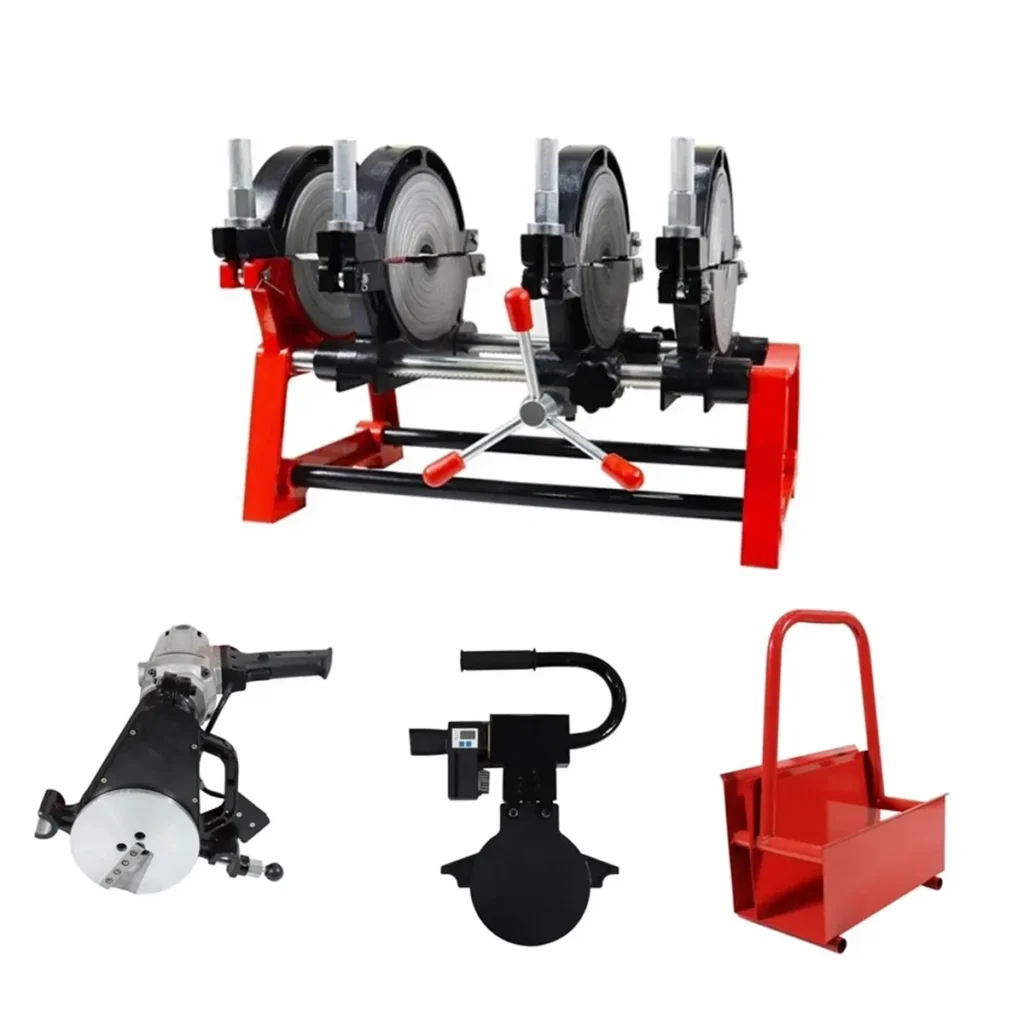
High-density polyethylene (HDPE) piping has become the industry standard for modern infrastructure projects due to its corrosion resistance, flexibility, and long service life. Choosing the right HDPE welding equipment manufacturer is critical to ensuring leak-free joints, consistent fusion quality, and efficient on-site workflow for water, gas, mining, and industrial pipeline systems.
Why Reliable HDPE Welding Equipment Matters
Reliable welding machines produce consistent fusion parameters—temperature, pressure and time—so joints meet regulatory standards and avoid costly repairs. Contractors and engineers demand equipment that is robust for field conditions, easy to calibrate, and capable of sustaining production across a range of pipe diameters.
Core Product Categories
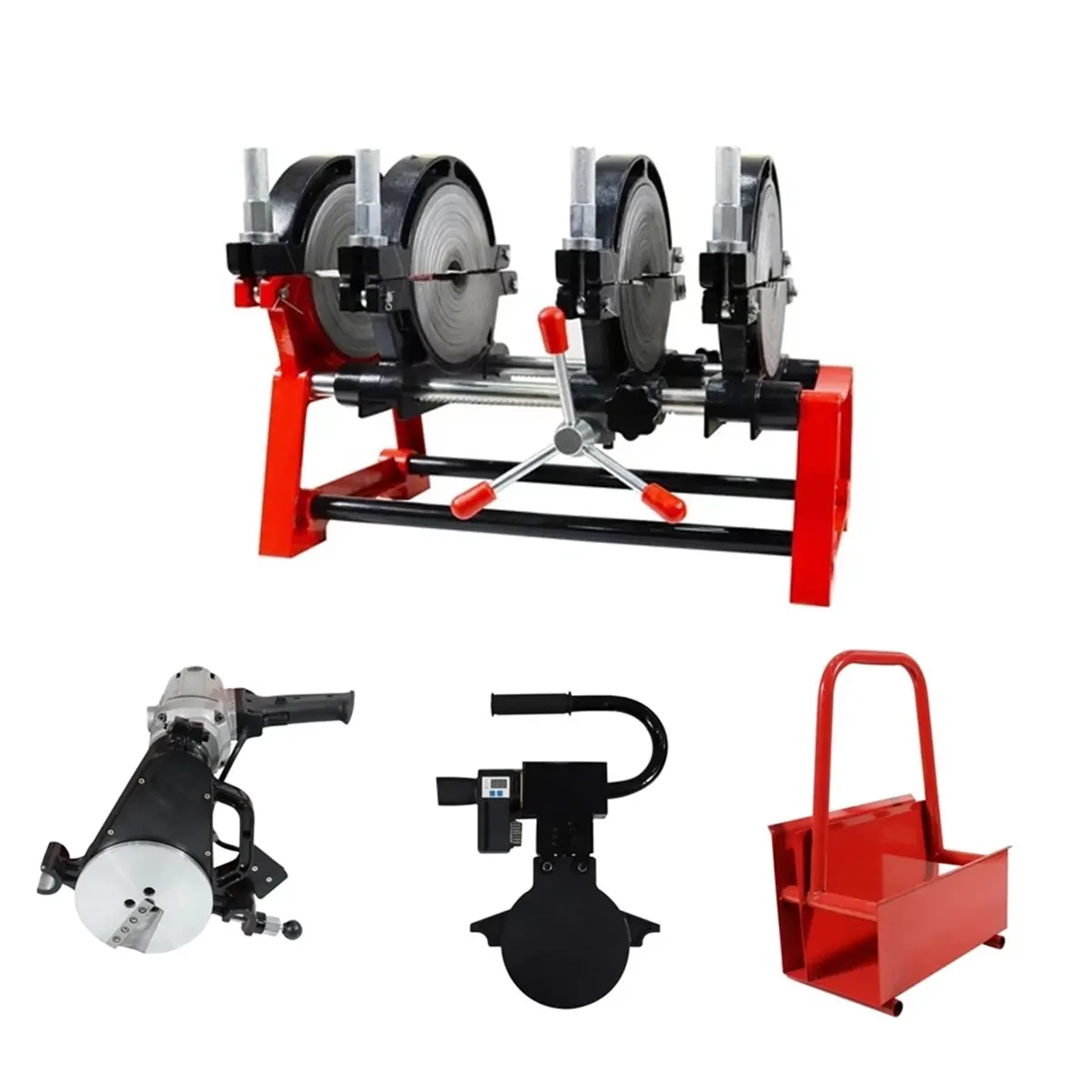
The main types of HDPE welding equipment used across projects are:
-
Manual/Mechanical Butt Fusion Machines – compact, portable, ideal for small- to mid-diameter pipes and remote sites.
-
Hydraulic Butt Fusion Machines – higher clamping force for medium to large diameter pipelines; suitable for repeated heavy-duty use.
-
CNC Automatic Butt Fusion Machines – programmable systems for precision welding, traceable weld records and reduced operator variability.
-
Electrofusion Equipment – for fittings and specialized joints where heating elements are embedded in fittings.
-
Multi-angle Fitting Welders – tailored for complex fittings and branch assemblies commonly used in municipal and industrial networks.
Technical Features to Prioritize
When evaluating suppliers, look for machines that offer:
-
Accurate temperature control and rapid heat-up plates to reduce cycle time.
-
Consistent alignment and clamping systems to avoid offset joints and ensure uniform bead formation.
-
Durable hydraulics and corrosion-resistant frames for long-term field reliability.
-
Data logging and traceability options on automatic models for QA/QC documentation.
-
Modularity and spares availability so downtime is minimized during long campaigns.
Quick Comparison — Typical Models
| Model | Type | Pipe Diameter Range | Key Advantage |
|---|---|---|---|
| JQSY-4M | Manual Butt Fusion | 63–400 mm | Highly portable for repair and small projects |
| JQH-160 | Hydraulic Butt Fusion | 90–630 mm | Stable hydraulic pressure for large-diameter joints |
| JQA-250 | Automatic CNC Butt Fusion | 125–1000 mm | Programmable cycles and weld data logging |
Common Application Sectors
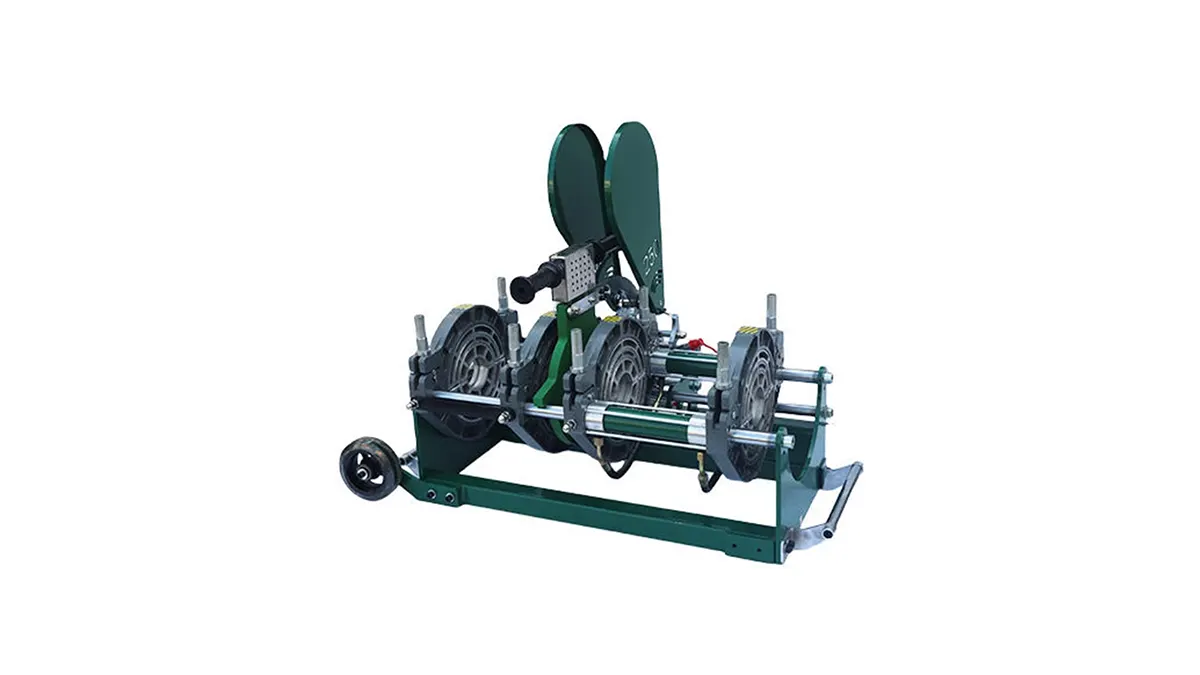
HDPE butt fusion machines are heavily used in:
-
Municipal water distribution and sewage systems
-
Gas distribution networks and service laterals
-
Mining slurries and tailings transfer lines
-
Industrial chemical and cooling water pipelines
-
Agricultural irrigation mains and drip systems
How to Choose the Right Manufacturer
Select a supplier that demonstrates:
-
Longstanding field experience and a record of delivered projects.
-
Quality control and certification for both welders and components.
-
Responsive after-sales support including spare parts and training.
-
Custom solutions for unique project specifications and pipe materials.
Maintenance, Training & Safety
Regular maintenance of heaters, face cutters, and hydraulic units preserves weld quality. Operator training is essential: correct alignment, trimming, heating and cooling procedures deliver repeatable, certified welds. Safety measures—PPE, secure clamping and clear operating protocols—reduce on-site hazards.
Ordering & Local Support
For turnkey machine supply, spares and technical guidance, contact JQ-Fusion at https://jq-fusionwelding.com/ to discuss model selection, customization and training packages that match project timelines and specifications.
Short FAQ
Q: What’s the typical warranty and support for HDPE welding machines? Most reputable manufacturers offer a base warranty plus optional extended support and parts kits to reduce downtime on long projects.
Q: Are automatic machines worth the investment? For high-volume or quality-controlled projects, automatic CNC systems reduce operator variability, provide traceable weld logs, and often improve productivity enough to offset the initial cost.



