
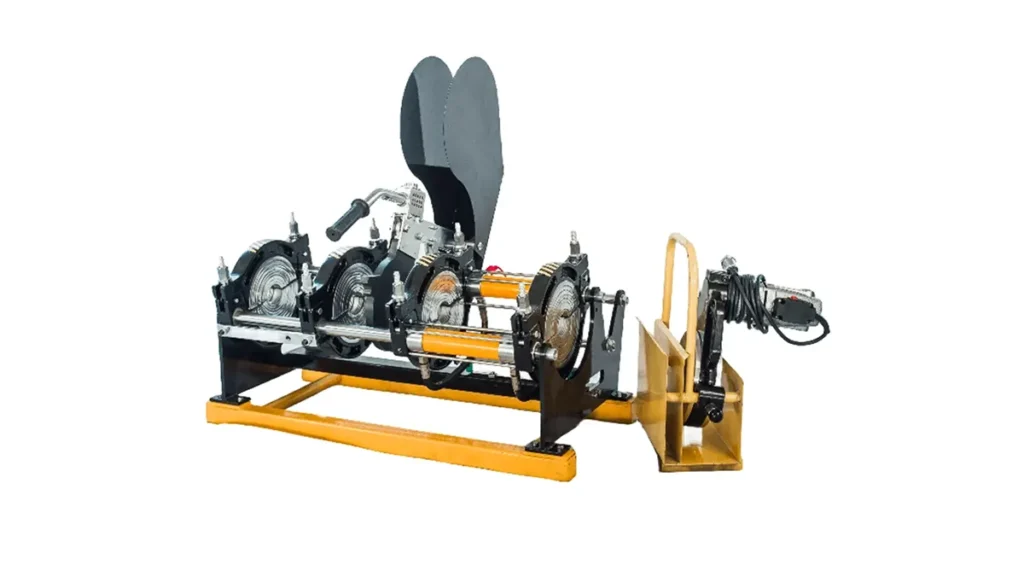
Automatic plastic pipe welding machines (also known as automatic butt fusion welding machines) are engineered to join HDPE, PP-R, and other thermoplastic pipes with consistent quality and higher productivity than manual methods. These systems reduce human error, speed up project timelines, and deliver repeatable welds ideal for water, gas, and industrial pipeline networks.
How Automatic Welding Machines Work
Automatic butt fusion machines control the entire welding cycle: alignment, facing, heating, and controlled cooling. A hydraulic or servo-driven carriage applies precise pressure and movement. Built-in controllers log parameters such as temperature, pressure, and cycle time to ensure traceable, high-integrity joints.
Key Features to Look For
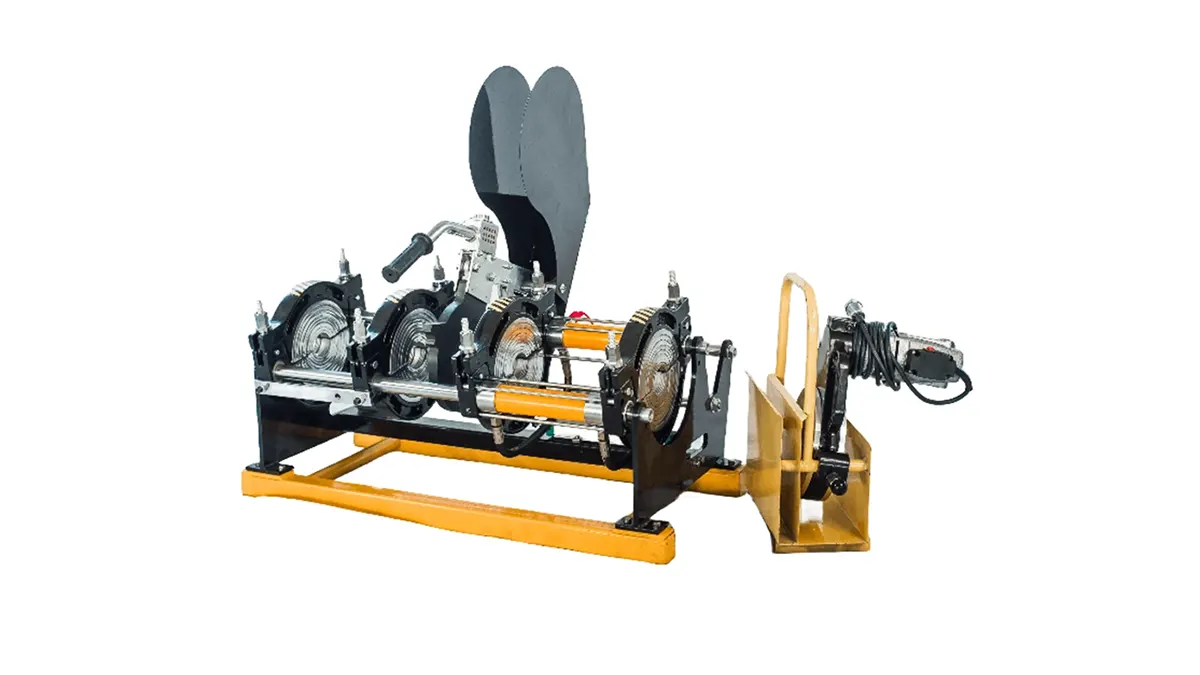
Precision control: Digital PLC or touchscreen interface to set and monitor welding parameters.
Hydraulic/servo drive: Stable axial movement for even pressure across the joint.
Automatic cycle modes: Pre-programmed sequences for different pipe materials and diameters.
Data logging & export: Built-in memory or USB/Ethernet options for quality records.
Primary Benefits
Consistency: Reduced variability vs. manual welding, improving joint strength and longevity.
Efficiency: Faster cycle times and reduced labor costs for medium-to-large projects.
Safety: Automated processes lower operator exposure to hot plates and manual handling.
Ideal Applications
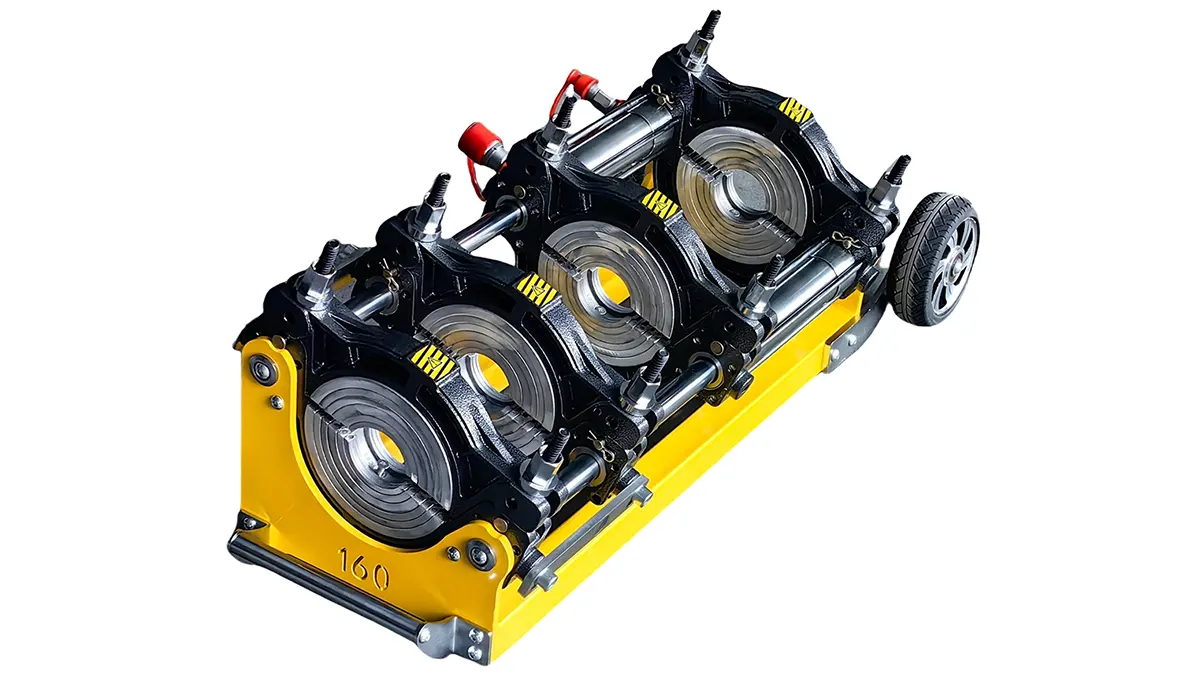
Automatic welding machines are widely used in:
– Municipal water distribution and sewer projects
– Gas distribution networks (where certified welding procedures are required)
– Industrial plants, mining, and irrigation systems
Performance Comparison Table
| Specification | Manual Butt Fusion | Automatic Butt Fusion |
|---|---|---|
| Cycle Consistency | Variable | High |
| Average Speed | Slower | Faster |
| Traceability | Limited | Built-in Logging |
| Operator Skill Required | High | Moderate (training focused on controls) |
Buying Guide: What to Consider
1. Pipe Size Range: Ensure the machine covers the inner/outer diameters used on your projects. Some models handle from 63mm up to 2000mm and above; choose based on your typical job scope.
2. Control System & Reporting: Look for user-friendly interfaces, multi-language support, and exportable weld logs for compliance.
3. Power & Mobility: Consider site power availability and whether the machine needs to be easily transportable between remote sites.
4. After-sales Service and Spare Parts: Readily available spare parts and responsive technical support minimize downtime.
5. Certification & Standards: Verify compliance with industry standards (ISO, ASTM, DVS/ISO welding procedures) relevant to your region or project owner.
Quick Selection Checklist
– Target pipe material (HDPE, PP-R, etc.)
– Diameter and SDR/pressure class
– Required degree of automation and data logging
– Transport and site conditions
Why Choose a Trusted Manufacturer
Selecting a reputable manufacturer ensures robust machine design, accurate calibration, and dependable support. For example, JQ-Fusion specializes in HDPE pipe welding equipment across manual, hydraulic, and automatic product lines, offering scalable solutions for contractors and utilities worldwide.
Final Tips Before Purchase
Request demo videos or on-site trials when possible, ask for sample weld reports, and compare warranty and service packages. Investing in the right automatic butt fusion machine pays off through faster installs, fewer leaks, and long-term reliability on critical pipeline systems.



