
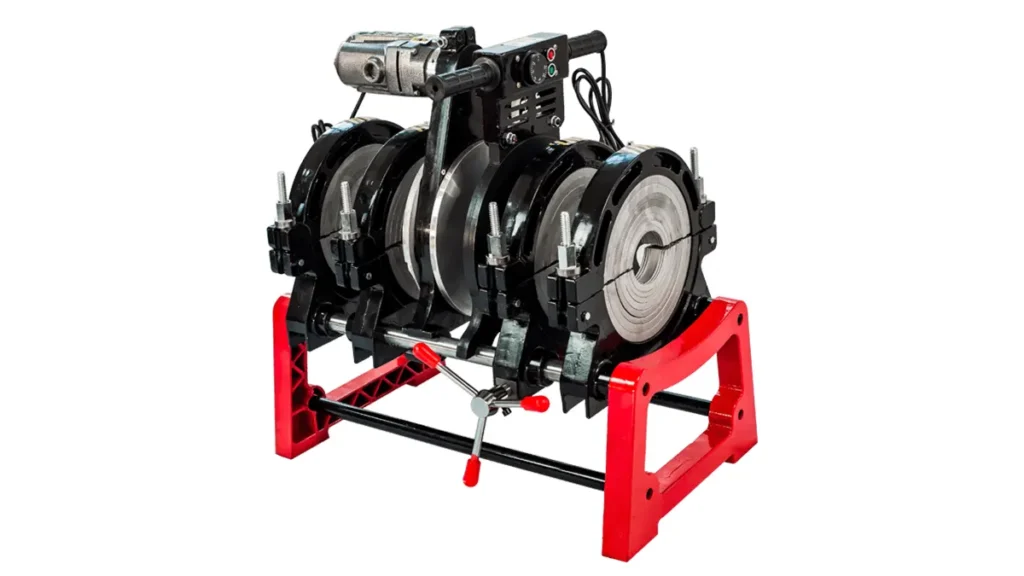
Choosing the right HDPE pipe jointing machine supplier is essential for secure, leak-free pipeline systems. A reliable supplier helps contractors and infrastructure teams achieve consistent butt fusion joints that meet project timelines and quality standards.
Why Reliable HDPE Pipe Jointing Machines Matter
Consistent joint strength reduces downtime and repair costs. Modern butt fusion equipment ensures uniform heating, precise alignment, and repeatable pressure control — all critical for pipelines used in water supply, gas distribution, mining, and industrial applications.
Core Benefits for Contractors and Engineers
Faster installations with automated controls and hydraulic drive systems shorten on-site labor time. Improved weld traceability and digital controls help meet regulatory inspection demands and reduce rework.
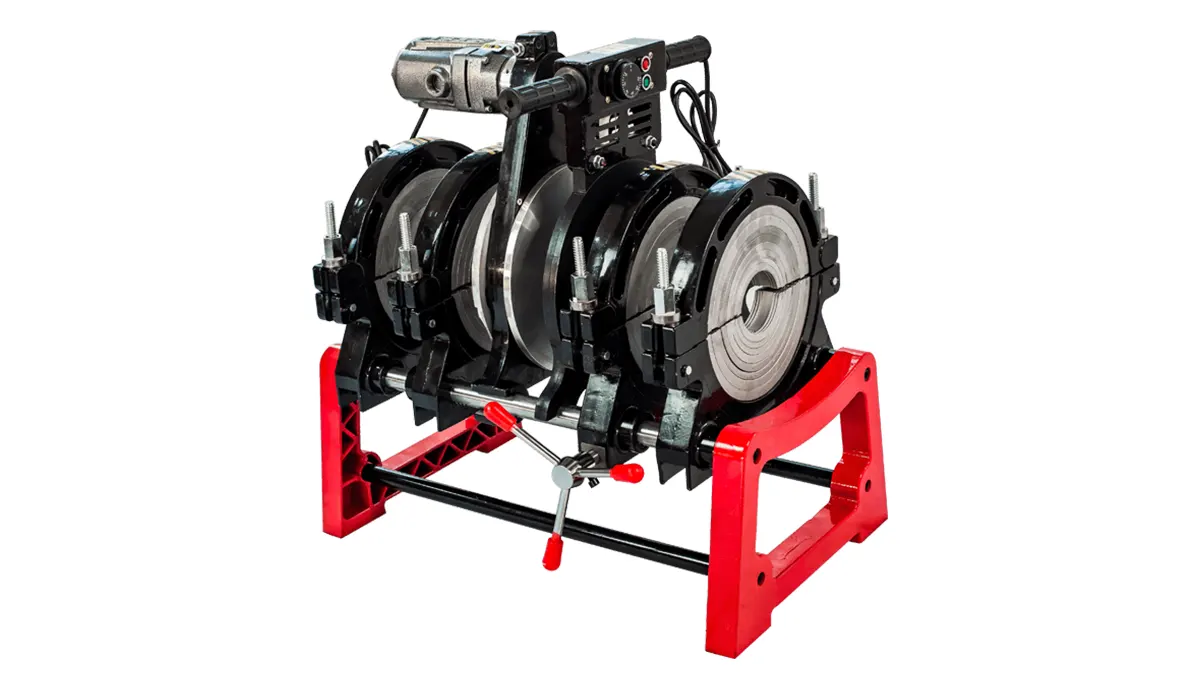
Types of HDPE Pipe Jointing Machines
Understanding the main machine types helps you choose the right tool for a project’s scale and site conditions:
Manual Butt Fusion Machines
Best for small-diameter work and remote sites. Advantages include low cost, portability, and simple maintenance.
Hydraulic Butt Fusion Machines
Ideal for medium to large-diameter pipes where controlled pressure and stability are needed. These models enhance weld quality in demanding environments.
CNC Automatic Butt Fusion Machines
Engineered for high-volume and precision work. CNC systems offer programmable heating cycles, real-time data logging, and repeatable results for critical infrastructure projects.
Quick Comparison
| Type | Diameter Range | Best For | Key Benefit |
|---|---|---|---|
| Manual | 20–315 mm | Small jobs / tight sites | Portability and cost efficiency |
| Hydraulic | 63–2000 mm | Medium to large pipelines | Stable pressure control for stronger joints |
| CNC Automatic | 90–1200+ mm | High-volume, precision projects | Repeatability and digital traceability |
What to Look for in a Supplier
Reliable suppliers should offer robust equipment, spare parts availability, clear technical documentation, and training. Verify warranty terms, after-sales support, and whether on-site commissioning or operator training is provided.
Certifications & Standards
Check for compliance with industry standards (ISO, ASTM, EN) and evidence of quality control in manufacturing. Machines with calibrated control systems and third-party test reports simplify quality assurance for contractors.
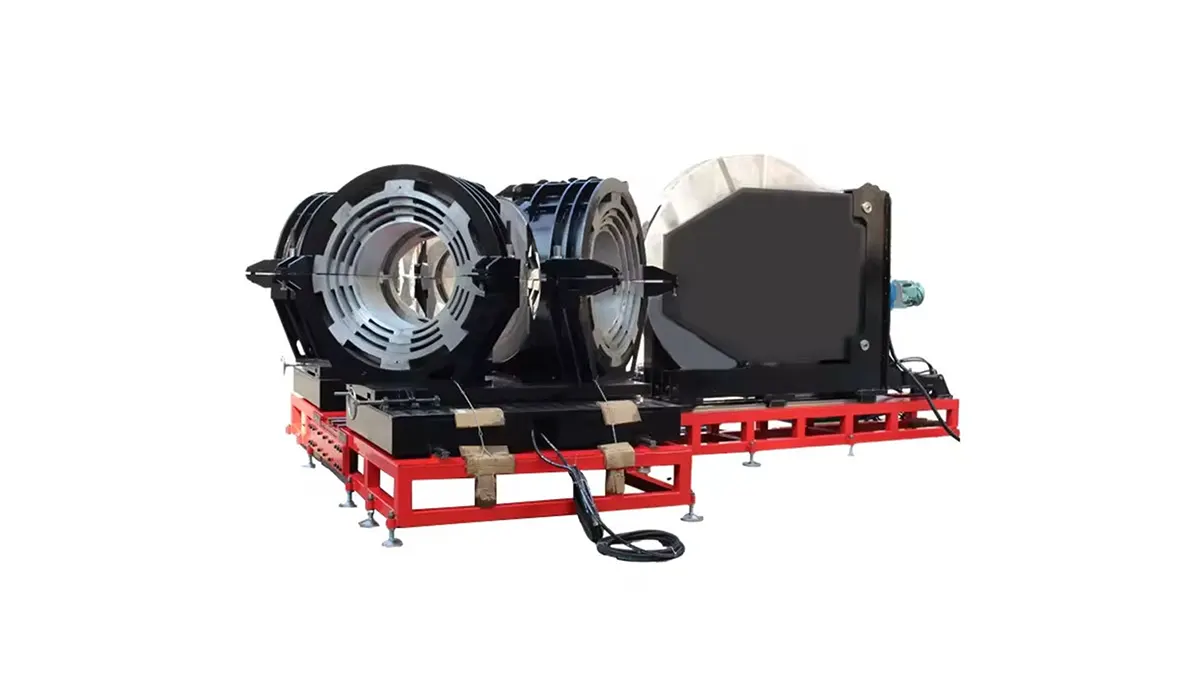
Maintenance Tips to Extend Machine Life
Regular inspection of clamps, hydraulic lines, heating plates, and electronic controllers prevents unexpected downtime. Keep heating plates clean, verify calibration periodically, and store machines in dry, temperature-stable conditions when not in use.
Site Best Practices
Ensure pipe ends are properly aligned and clean before fusion. Use certified welding procedures, log weld parameters, and allow adequate cooling time for each joint to achieve rated strength.
Typical Applications
HDPE pipe jointing machines are widely used across municipal water networks, gas distribution systems, mining slurry lines, and industrial fluid handling. The right machine selection supports long-term reliability and reduces lifecycle costs.
How to Request Quotes
Prepare a specification sheet including pipe material, SDR or pressure class, diameter range, expected daily weld count, and any site constraints. Suppliers can then recommend models, accessories, and training options tailored to your needs.
Supplier Spotlight
Manufacturer: JQ-Fusion
Final Recommendation
Invest in equipment that matches your project scale and offers local support, spare parts, and operator training. A well-chosen HDPE jointing machine delivers durable, efficient pipeline connections and long-term cost savings.



