
Hot melt welding machines are essential tools for joining thermoplastic materials like HDPE and PP in water, gas, and industrial pipeline projects. This user guide explains how to operate, maintain, and troubleshoot these machines safely and efficiently, helping operators achieve consistent, high-quality welds and reduce downtime.
Key Benefits of Hot Melt Welding Machines
Hot melt welding delivers leak-free joints, fast cycle times, and strong mechanical performance for pipes and fittings. Modern machines offer precise temperature control, hydraulic clamping, and automated timers that minimize human error and improve repeatability across long pipeline runs.
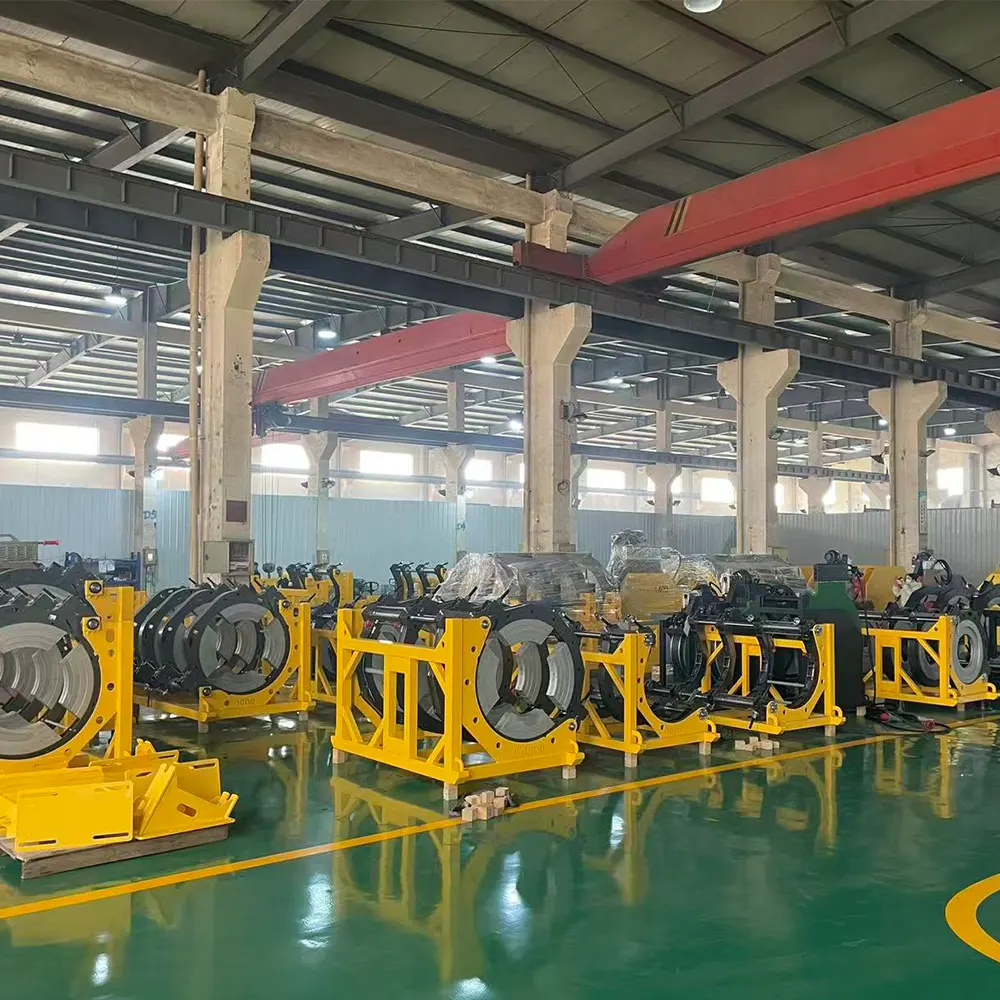
Before You Start: Safety & Setup
Always perform a pre-operational safety check. Wear appropriate PPE (heat-resistant gloves, eye protection, and closed-toe boots), and ensure the work area is ventilated and free of flammable materials. Confirm the machine is on a stable surface and power supply or hydraulic source is correctly rated.
Checklist before power-up: cable condition, grounding, clamp alignment, heater plate cleanliness, and correct heater temperature setting for the material (consult the material datasheet).
Step-by-Step Operation Guide
1. Prepare the pipe ends: Clean, square, and align pipe ends using the machine’s facing/trimming tool. Remove debris and moisture.
2. Secure and align: Place pipes into the clamps and tighten evenly so faces are flush and concentric. Use alignment marks if available.
3. Heating phase: Apply the heating plate to the abutting faces at the correct temperature and duration. Typical HDPE heating ranges are provided in the quick reference table below.
4. Remove heater and join: Withdraw the heater evenly, then press the molten faces together with controlled force until the weld cools sufficiently.
5. Cool-down and inspection: Hold the joint under pressure for the required cooling time. Inspect the bead, fusion line, and joint alignment for defects.
Maintenance Best Practices
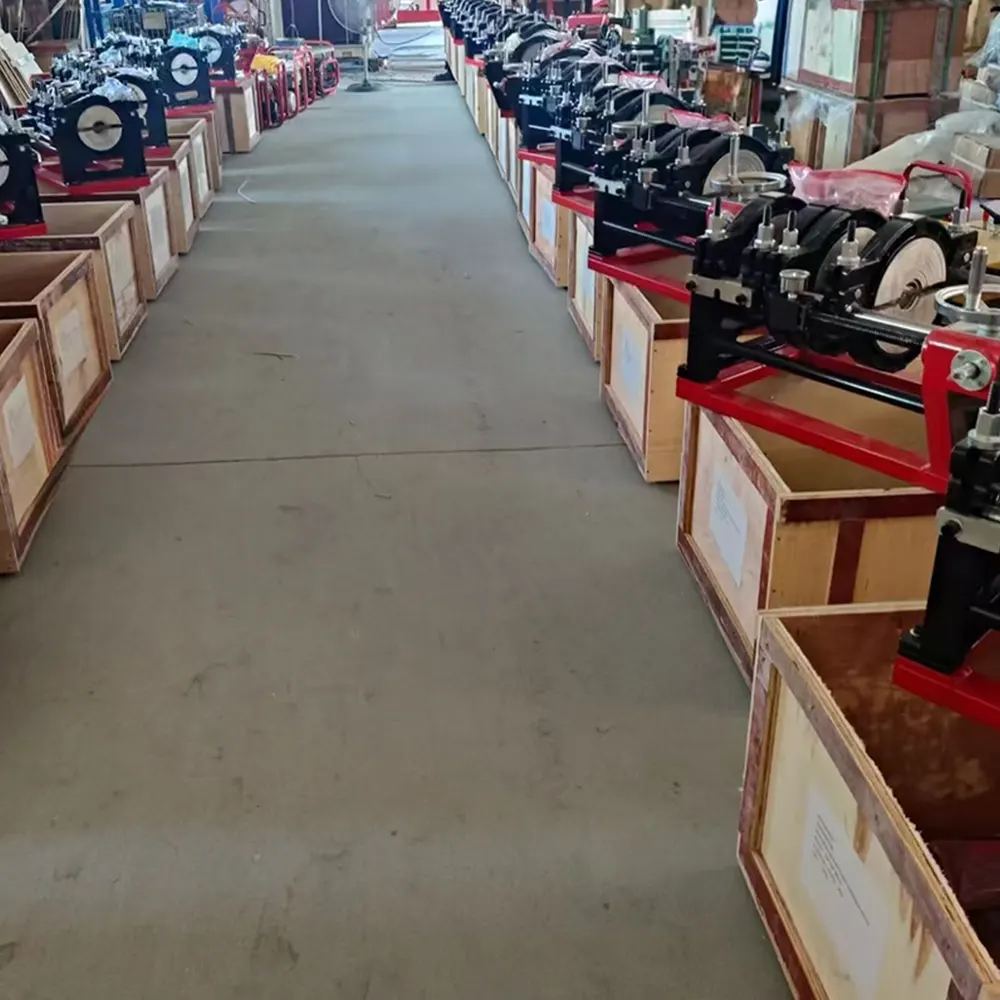
Regular maintenance preserves machine accuracy and extends service life. Keep moving parts lubricated, check hydraulic fluid levels, and confirm electronic controllers and thermocouples are calibrated.
| Component | Frequency | Action |
|---|---|---|
| Heating plate | Daily | Clean, remove contamination, verify even temperature |
| Clamps & jaws | Weekly | Inspect for wear, tighten fasteners, lubricate sliding surfaces |
| Hydraulic system | Monthly | Check hoses, fluid level, filter and pressure settings |
| Electronics & sensors | Quarterly | Calibrate thermocouples, test control logic, back up settings |
Common Problems & Troubleshooting
Understanding symptom → cause → fix helps restore production quickly. Use the table below as a rapid troubleshooting reference.
| Problem | Possible Cause | Quick Fix |
|---|---|---|
| Cold or weak weld | Insufficient heat, short heating time, or low clamp pressure | Increase temperature/time per material spec; verify pressure setting |
| Uneven fusion bead | Misalignment or dirty heating plate | Re-align clamps; clean heater plate thoroughly |
| Hydraulic slippage | Leaky seals or low hydraulic fluid | Inspect hoses/seals and top up or replace fluid |
| Controller errors | Sensor failure, loose wiring, or firmware fault | Check connectors, replace faulty sensor, reboot or update firmware |
Quick Reference: Typical HDPE Settings
| Pipe OD | Heating Temp | Heating Time (approx.) |
|---|---|---|
| 20–110 mm | 200–220°C | 30–90 s |
| 110–630 mm | 200–220°C | 1–6 min |
| >630 mm | 200–220°C | 6–20 min (depends on wall thickness) |
Operational Tips for Consistent Quality
Use the same operator for a batch when possible, document settings for each material and diameter, and maintain a clean heating surface. Keep spare thermocouples, heater plates, and seals in inventory to reduce downtime.
Record keeping: Log date, operator, temperatures, pressures, and visual inspection notes for each joint — this helps with traceability and continuous improvement.
When to Contact Manufacturer Support
If persistent electrical faults, core hydraulic failures, or repeated weld quality issues occur after following troubleshooting steps, contact the manufacturer or authorized service agent. For parts, calibration, or application advice for large or specialized projects, reach out to JQ-Fusion for professional assistance.
Final Reminders
Routine maintenance, correct settings, and safe operation are the foundation of reliable hot melt welding. Follow material-specific guidelines, validate welds with destructive/non-destructive tests when required, and schedule periodic training for operators to keep skills up to date.



