
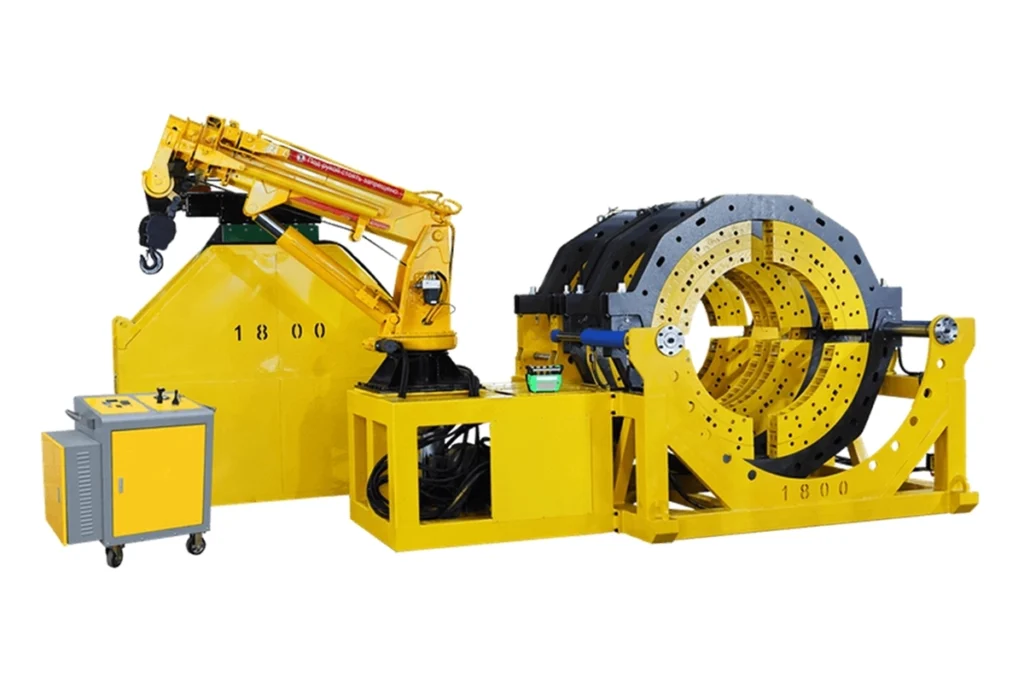
HDPE butt fusion welding machines provide a reliable, cost-effective way to join polyethylene pipes for demanding infrastructure projects. These systems combine precision heating, controlled forging pressure, and repeatable cycles to create high-strength, leak-free joints that reduce installation time and long-term maintenance costs. Whether you need compact manual units for local repairs or large automatic units for pipeline construction, the right equipment ensures consistent results on-site.
Why HDPE Butt Fusion Delivers Superior Pipe Joints
Butt fusion welding melts pipe ends and fuses them under controlled pressure, creating a molecular bond that is often stronger than the pipe material itself. This welding method is preferred for its durability, chemical resistance, and ability to maintain integrity under pressure and temperature fluctuations. For water, gas, mining, and industrial pipelines, butt fusion provides secure, long-term performance with minimal leak risk when performed with quality machines and trained operators.
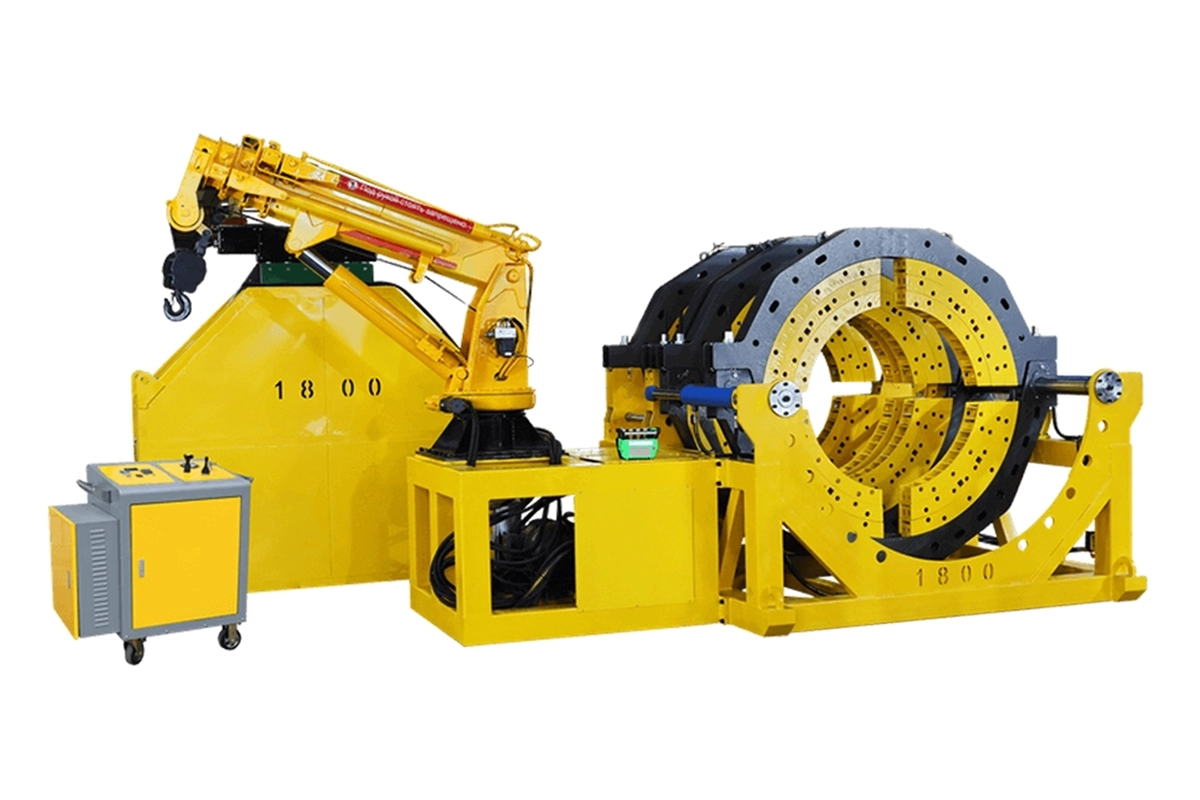
Factory Solutions: Manual, Hydraulic, and CNC Automatic Machines
Manufacturers offer a range of butt fusion machines to match project scale and budget. Manual units are ideal for small-diameter repairs and offset sites. Hydraulic machines bring higher clamping forces for medium to large diameters and faster cycle control. CNC automatic systems deliver the highest repeatability and data-logged weld records for critical pipeline networks. Choosing between them depends on pipe size range, production rate, and regulatory or contractor expectations.
Quick Comparison Matrix
| Machine Type | Typical Pipe Range | Key Advantage | Best Use |
|---|---|---|---|
| Manual Butt Fusion | 20mm – 315mm | Portable, low cost | Repairs, small projects |
| Hydraulic Butt Fusion | 160mm – 2000mm+ | High force, robust | Mainline installation |
| CNC Automatic Butt Fusion | 63mm – 1250mm+ | Repeatability, digital control | Large-volume, regulated projects |
Applications Across Industries
HDPE butt fusion machines are widely used in municipal water supply, natural gas distribution, wastewater systems, mining slurry lines, and industrial chemical pipelines. The technology is particularly valuable where corrosion resistance and joint flexibility are needed. Contractors installing pipelines in remote or harsh environments benefit from the portability and low ongoing maintenance of many machine models.
Durability, Maintenance, and Field Support
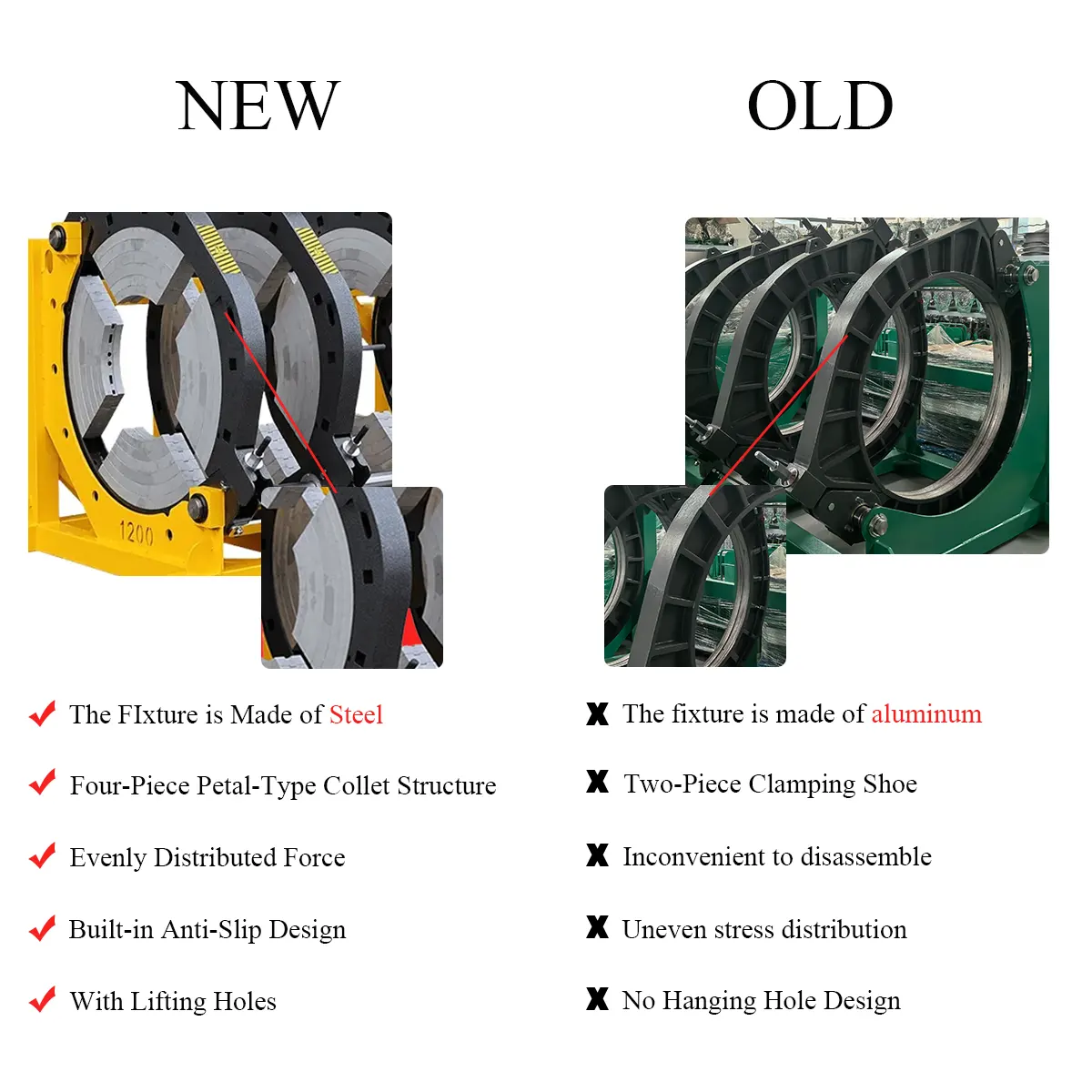
Durable components—hardened chuck systems, precision heating plates, and reliable hydraulic units—keep downtime low. Routine maintenance focuses on cleaning heating faces, checking hydraulic fluids, and verifying alignment. For high-stakes projects, data-logging automatic machines simplify QA/QC and provide weld traceability. Field service, spare parts availability, and training reduce installation risk and ensure operators follow best practices.
Selecting the Right Machine for Your Project
When choosing equipment, consider pipe diameter range, expected daily weld count, site access, and regulatory documentation needs. Prioritize machines with proven component quality, easy serviceability, and available technical support. A modest investment in the right fusion machine often returns savings through faster installs and fewer reworks.
JQ-Fusion is a professional manufacturer specializing in HDPE pipe welding machines, offering manual, hydraulic, and CNC automatic butt fusion solutions to meet diverse infrastructure demands: https://jq-fusionwelding.com/



