
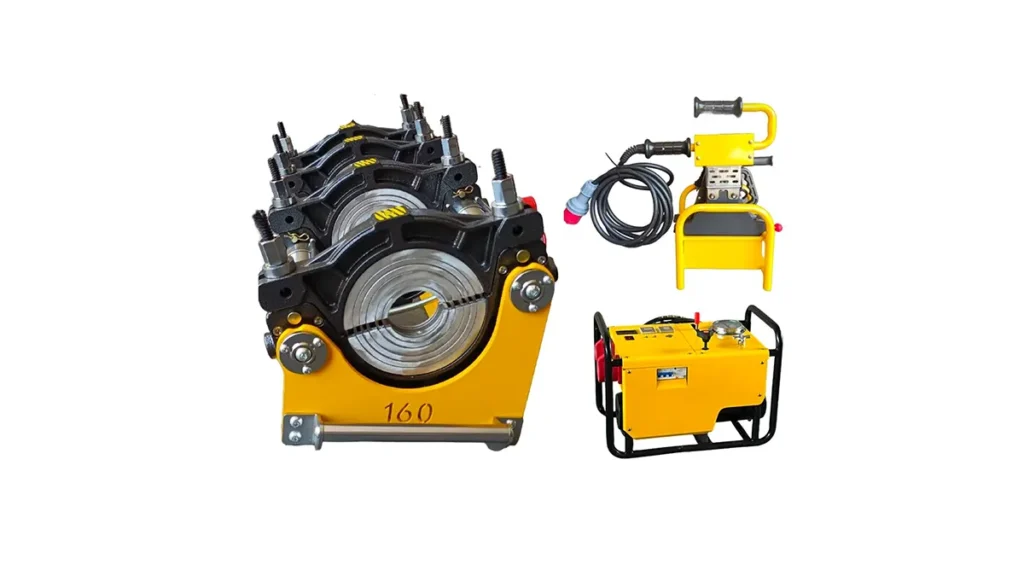
Gas pipe welding machines are essential tools for building safe, leak-free gas distribution networks. From small municipal projects to large industrial pipelines, reliable butt fusion and electrofusion equipment ensure long-term integrity for polyethylene (PE/HDPE) pipes used in gas conveyance.
Industrial Advantages of Professional Gas Pipe Welding Equipment
Durability: Machines designed for gas pipelines use heavy-duty frames, precision clamps, and robust heating elements to deliver consistent joints under demanding site conditions.
Repeatable Quality: Precise temperature and pressure control reduce the risk of weak welds, improving safety and lowering long-term maintenance costs.
Versatility: A complete factory lineup covers manual, hydraulic and automatic CNC butt fusion systems for a wide range of diameters and wall thicknesses.
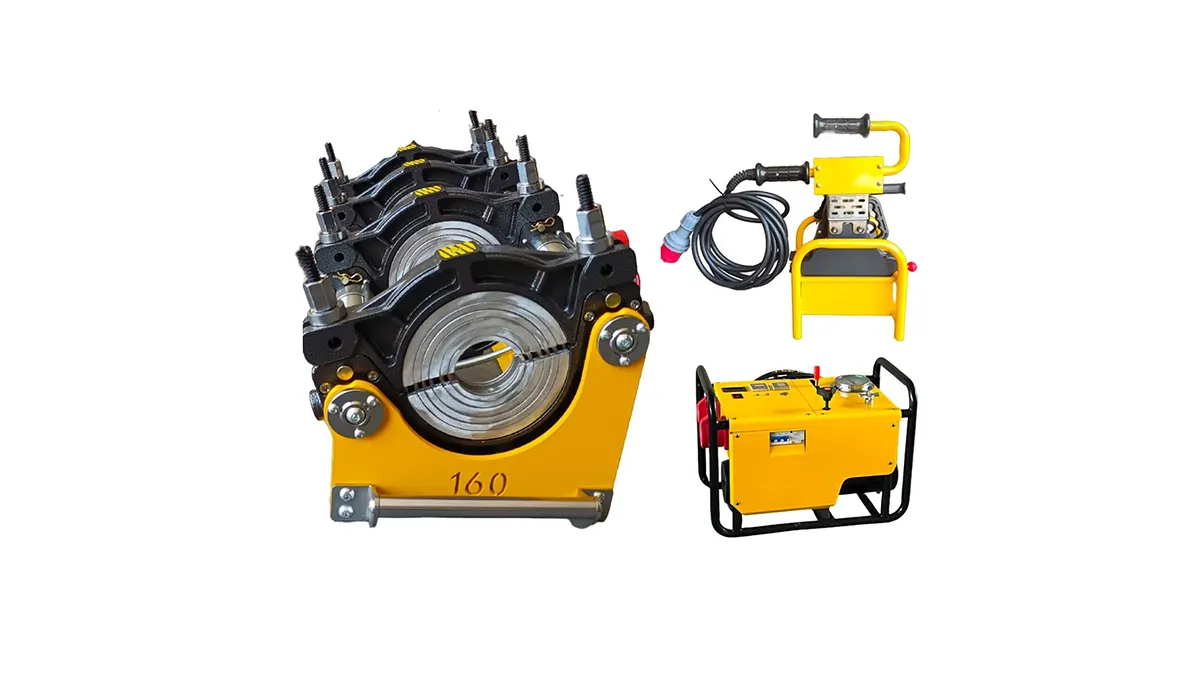
Types of Gas Pipe Welding Machines
Manual Butt Fusion: Compact and cost-effective for small repair jobs and rural distribution lines where portability matters.
Hydraulic Butt Fusion: Ideal for medium to large diameter pipes; provides steady clamping and consistent axial force for thicker walls.
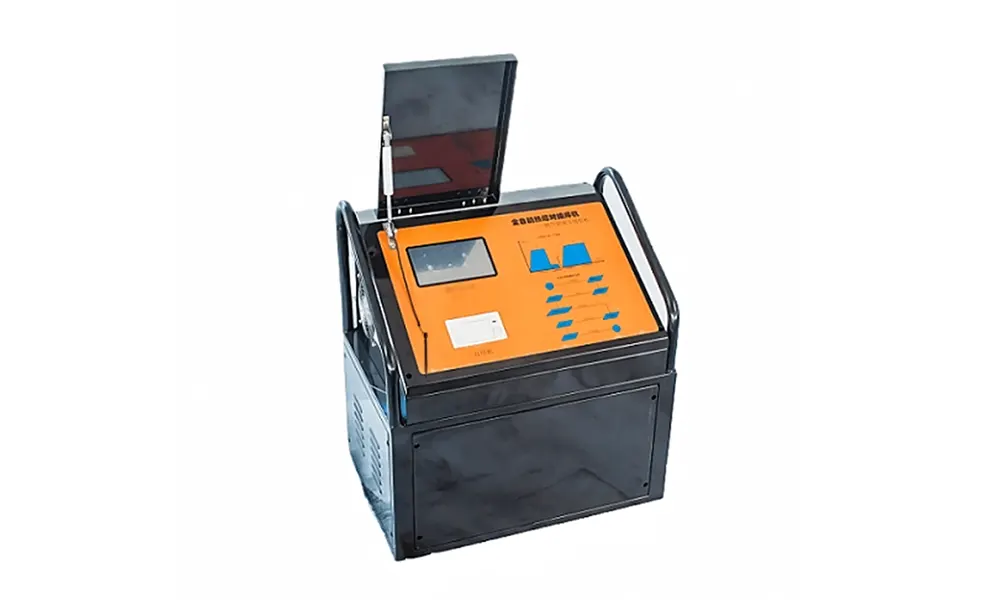
Automatic / CNC Butt Fusion: Best choice for high-volume or critical gas projects that demand digital control and repeatable weld cycles.
Electrofusion Units: Used for fittings and taps, delivering controlled current-driven joins for smaller connections and complex installations.
| Machine Type | Typical Pipe Range | Best For |
|---|---|---|
| Manual Butt Fusion | 20mm – 315mm | Repairs, small-scale distribution |
| Hydraulic Butt Fusion | 160mm – 2250mm | Utility mains, industrial pipelines |
| Automatic / CNC Butt Fusion | 63mm – 1600mm+ | Large projects, high precision |
| Electrofusion | 20mm – 630mm | Fittings, service connections |
Key Features to Look For
Precise Temperature Control: Accurate heating plate management avoids overheating and preserves pipe integrity.
Stable Clamping System: Uniform axial alignment and pressure distribution are critical for gas-grade welds.
Digital Documentation: Traceable weld reports and cycle logs help meet regulatory and safety audits.
Portability vs. Power: Choose compact units for remote sites and hydraulic/automatic systems for factory or depot operations.
Factory Standards and Customization
Manufacturers who supply gas infrastructure equipment prioritize certified materials, rigorous QA testing and optional custom clamping or control packages to match project specifications. JQ-Fusion demonstrates how production-scale manufacturing combines repeatable quality with tailored solutions for contractors and distributors.
Maintenance & Safety Best Practices
Routine Calibration: Regularly verify heating plate temperatures and hydraulic pressures to ensure consistent weld quality.
Protective Procedures: Use appropriate PPE, grounding for electrofusion, and pre-weld cleaning to avoid contaminants at the fusion interface.
Training: Certified operator training reduces joint failures and improves field productivity.
How to Choose the Right Machine
Match pipe size, installation environment and production volume. For one-off repairs, manual systems may suffice. For municipal or industrial gas mains, invest in hydraulic or automatic machines with digital control and documentation.
Common Questions
Q: Can the same machine handle water and gas pipes?
A: Yes—most butt fusion machines work with HDPE for both, but gas projects require strict traceability and sometimes different fusion parameters or certified procedures.
Q: What documentation should be kept?
A: Keep weld logs, temperature/pressure records and operator IDs to satisfy safety audits and warranty claims.
Next step: evaluate project scale, confirm pipe material and diameter, and request machine specifications and weld procedure records from a trusted manufacturer or distributor to ensure compliance with local gas safety standards.



