
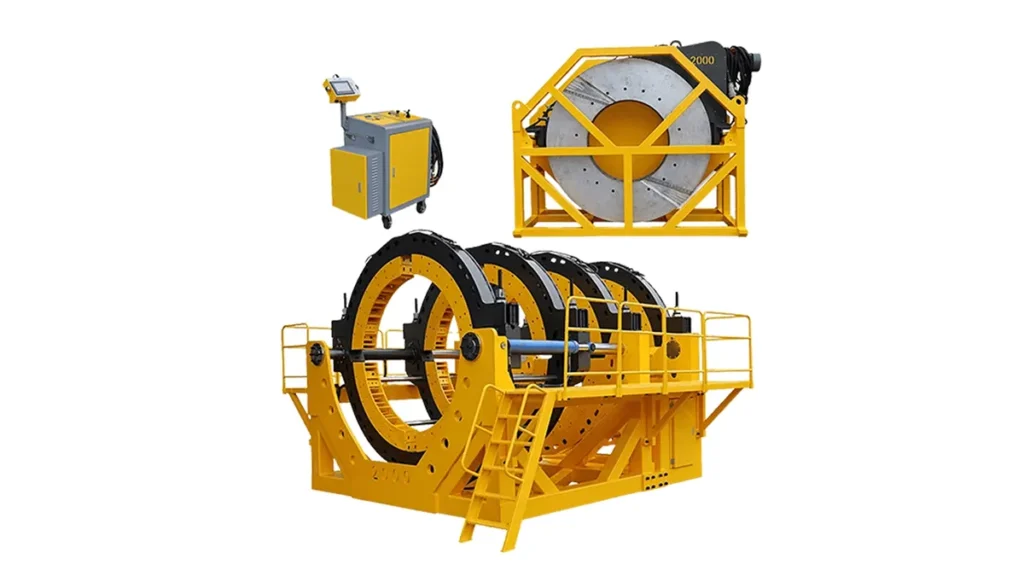
Hydraulic butt fusion welding is the industry-standard method for joining HDPE pipes for water, gas, and industrial pipeline systems. This step-by-step guide explains safe preparation, precise alignment, controlled heating and fusion, and reliable inspection to help operators achieve consistent, high-quality joints with a hydraulic butt fusion welding machine.
Safety First: Preparation and PPE
Before starting any fusion operation, verify that operators are trained and that the work area is secure. Essential personal protective equipment includes safety glasses, heat-resistant gloves, steel-toe boots, and ear protection. Keep the site clear of combustible materials and ensure proper ventilation when heating fittings or trimming pipe.
Pre-Operation Checklist
Confirm the hydraulic unit is fully charged, hoses are intact, and all controls move smoothly. Inspect clamps, heating plate, and trimming tools for damage. Make sure the pipe ends are clean, dry, and within acceptable tolerance for ovality and straightness.
Tools and Materials You Need
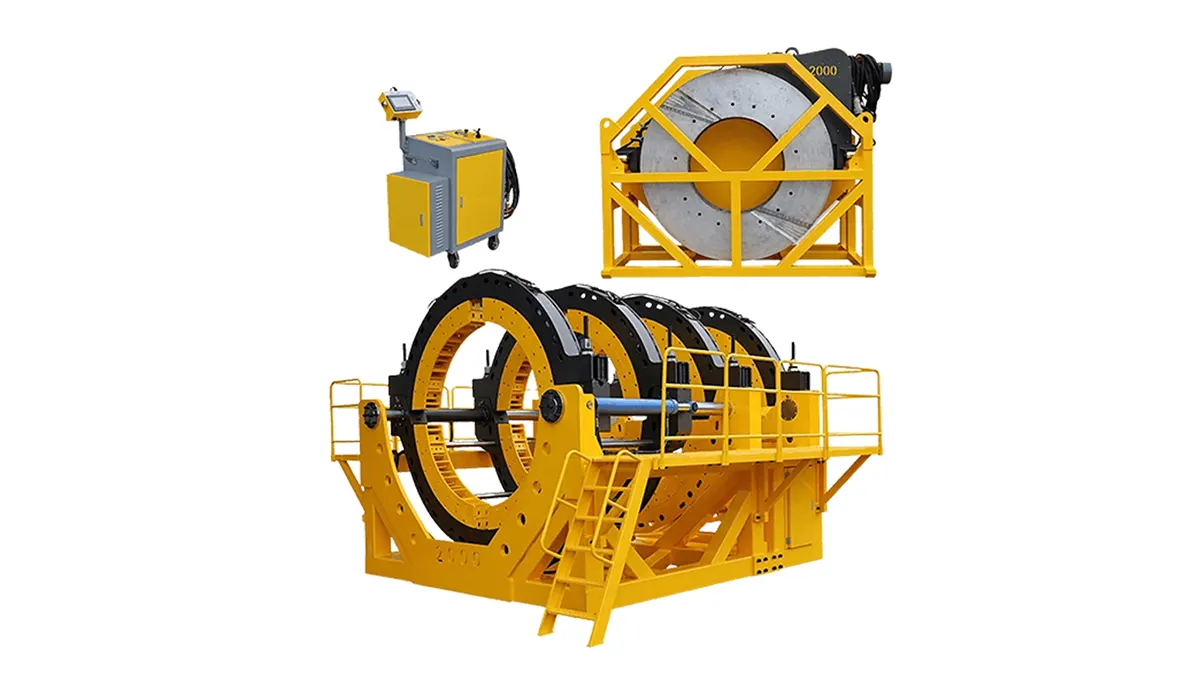
Have the following items ready: the hydraulic butt fusion machine (appropriate size for pipe OD), facing/trimming tool, heating plate with accurate temperature control, alignment clamps, hydraulic fluid and hand pump (if applicable), cleaning cloths, and a calibrated thermometer or pyrometer for verifying plate temperature. A good-grade cutting tool and chamfering tool speed up preparation and reduce defects.
Step-by-Step Fusion Procedure
1. Measure and Mark
Measure pipe OD and wall thickness; mark insertion/fusion length and alignment reference lines so both pipe ends align precisely on the machine clamp system.
2. Secure and Align
Place pipe ends in the hydraulic clamps, center them, and tighten evenly. Use alignment marks to confirm axial alignment and check that the faces are square to the pipe axis.
3. Facing (Trimming)
Use the facing tool to remove a thin layer from each pipe end until smooth, clean, and free of contaminants. Proper facing ensures full contact and consistent melt across the joint.
4. Heating
Introduce the heating plate between the two faces. Set the plate temperature according to the pipe material and standard practice (commonly around 200–220°C for HDPE). Allow the faces to contact the plate under light pressure until a uniform melt bead appears on both faces.
5. Removing the Plate and Fusion
Retract the heating plate carefully and bring the pipe ends together under controlled hydraulic pressure. Hold the recommended fusion pressure for the specified time to allow interdiffusion of polymer chains and formation of a strong joint.
6. Cooling
Keep the joint under restraint while it cools. Do not disturb or relieve clamp pressure prematurely; follow cooling time guidelines based on pipe diameter and wall thickness to avoid weak joints or misalignment.
Quick Reference Table: Typical Parameters
| Pipe OD | Heating Plate Temp | Facing Time | Cooling Time (min) |
|---|---|---|---|
| 63–160 mm | 200–220°C | 10–30 sec | 10–30 |
| 200–630 mm | 200–220°C | 30–60 sec | 30–60 |
| >630 mm | 200–220°C | 60–120 sec | 60–120 |
Inspection and Testing After Welding
Visually inspect the bead: it should be uniform, continuous, and free from voids or contamination. Measure bead width and ensure alignment and squareness are within acceptable limits. For critical systems, perform pressure testing and nondestructive evaluation as required by project standards.
Common Defects and Remedies
If the bead is too narrow or uneven, check facing accuracy and heating plate temperature. Misalignment often stems from clamp slippage—re-torque clamps and recheck alignment. Porosity or weak joints may indicate contaminated surfaces or incorrect heating; always clean pipe ends and verify plate calibration.
Maintenance Tips for Hydraulic Machines
Perform routine hydraulic fluid checks, inspect seals and hoses, and keep the heating plate surface clean to extend the life of the machine. Store the unit in a dry area and protect the plate with its cover to prevent scratches and oxidation.
Efficiency Tips for Field Operators
Organize materials and tools close to the welding station to reduce downtime. Pre-mark and pre-cut pipes in batches when possible. Use calibrated instruments for temperature and pressure verification to reduce rework and variability.
For reliable hydraulic butt fusion equipment and spare parts tailored to professional infrastructure projects, contact JQ-Fusion: https://jq-fusionwelding.com/.



