
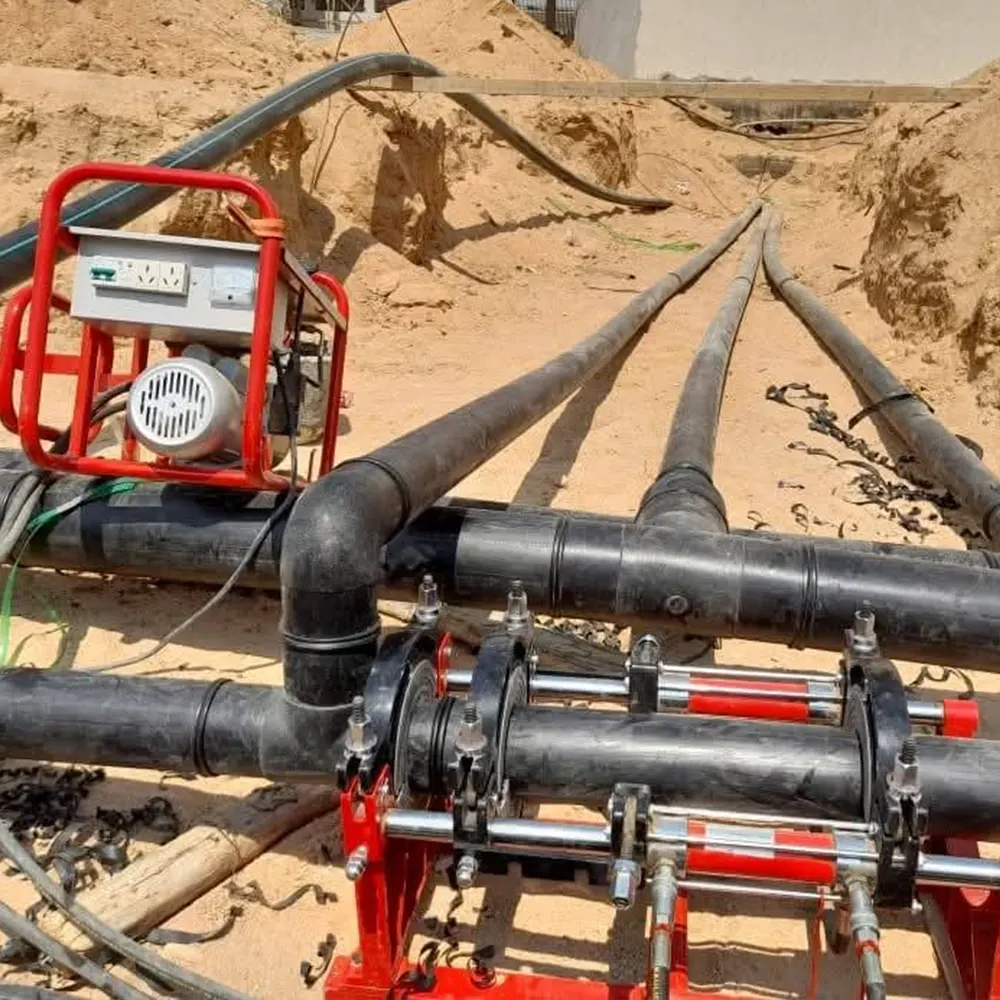
When people ask “What Is the Best Butt Fusion Machine for HDPE Pipes?”, the answer is not always a single model. The best choice depends on pipe diameter, project scale, power supply, operator skill, and the level of automation you need. For water supply systems, gas distribution lines, mining pipelines, and industrial installations, the right machine should deliver stable heating, accurate alignment, and strong, repeatable welds. In real-world projects, reliability matters more than flashy features.
If you are comparing different options, a professional butt fusion machine should be selected based on welding quality, durability, and after-sales support. HDPE pipe fusion is not just about joining two pipe ends; it is about creating a seamless connection that can perform for years under pressure. That is why contractors, distributors, and pipeline engineers often prefer machines with proven performance and consistent temperature control.
✅ Quick answer: the best butt fusion machine for HDPE pipes is the one that matches your pipe size range, offers precise heating and clamping control, and is built by a manufacturer with dependable technical support. For small jobs, a manual unit may be enough. For larger or more demanding projects, hydraulic or CNC automatic models are usually the better investment.
What a Butt Fusion Machine Does
A butt fusion machine joins two HDPE pipe ends by heating them and pressing them together under controlled force. The process creates a strong molecular bond, which is why it is widely used in modern pipeline construction. Unlike mechanical joints, fusion joints reduce the risk of leakage and can better withstand ground movement, pressure changes, and long-term operation.
For HDPE pipes, the fusion process typically includes clamping, facing, heating, removing the heater plate, and joining the softened pipe ends with precise pressure. If any of these steps are unstable, the weld quality can be affected. That is why the machine’s clamp alignment, hydraulic pressure, and temperature accuracy are key factors in choosing the best equipment.
Main Types of Butt Fusion Machines
There are three common types of butt fusion machines for HDPE pipes: manual, hydraulic, and CNC automatic. Each one serves a different job size and skill requirement.
1. Manual Butt Fusion Machines
Manual machines are suitable for smaller pipe diameters and less complex projects. They are easy to transport, simple to operate, and cost-effective for contractors who need a reliable solution without advanced automation. However, they depend more on operator experience, so they are best for teams that already understand fusion procedures well.
2. Hydraulic Butt Fusion Machines
Hydraulic models are a strong choice for medium to large HDPE pipes. They provide better pressure control and more stable alignment than manual systems. This makes them popular in municipal water projects, gas networks, and industrial pipelines. If you need consistent weld quality across many joints, hydraulic machines are often the practical middle ground.
3. CNC Automatic Butt Fusion Machines
CNC automatic machines are designed for high efficiency and precision. They reduce operator error, improve repeatability, and support large-scale production or critical projects where welding consistency is essential. These machines are ideal for contractors who want higher productivity and better digital control over the fusion process.
Important: the best machine is not always the most advanced one. A small project may not need CNC automation, while a large utility project may suffer if a low-capacity manual machine is chosen. Matching the machine to the application is the smartest decision.
Key Factors That Define the Best Machine
To identify the best butt fusion machine for HDPE pipes, you should evaluate several technical and practical factors. These points can help you avoid costly mistakes.
Pipe Diameter Range
Different machines cover different pipe sizes. A machine designed for small diameters may not be suitable for larger pipeline work. Before buying, confirm the diameter range you will use most often, and choose a unit with enough flexibility for future jobs.
Temperature Accuracy
Heating accuracy is critical because HDPE pipe fusion requires the correct melting temperature. A machine with stable temperature control helps create consistent fusion faces and reduces the chance of weak joints.
Hydraulic Pressure Stability
For hydraulic and automatic models, pressure stability directly affects weld strength. Reliable hydraulic performance ensures that the pipes are joined under the proper force throughout the fusion cycle.
Clamp Alignment
Perfect alignment is essential because misaligned pipe ends can create weak or uneven joints. A good butt fusion machine should hold the pipes firmly and keep them centered during the entire operation.
Durability and Build Quality
In demanding job sites, the machine must withstand frequent use, transport, dust, and harsh weather. Strong frames, precision machining, and quality components are signs of long service life.
Tip: If you work in remote areas or on fast-moving projects, choose equipment that is easy to maintain and supported by a manufacturer with responsive technical service.
Why JQ-Fusion Is a Strong Option
JQ-Fusion is a professional manufacturer specializing in HDPE pipe welding machines, with over 20 years of industry experience. Their product line includes manual, hydraulic, and CNC automatic butt fusion welding machines, covering a wide range of pipe diameters. This makes them suitable for contractors, distributors, and engineering companies that need dependable equipment for different project conditions.
The company focuses on advanced manufacturing technology, strict quality control, and customized solutions. Each machine is tested for temperature accuracy, hydraulic pressure stability, and clamp alignment before delivery. This approach helps ensure that every unit performs reliably in actual pipeline projects. In addition, their OEM and ODM services allow clients to customize voltage, color, branding, design, and machine configuration according to market or project needs.
⭐ Why buyers value this approach: stable welding performance, fast delivery, professional technical guidance, and export-ready manufacturing support are all essential when selecting a machine supplier for long-term business growth.
Best Choice by Project Scenario
Different pipeline tasks require different machine types. Below is a simple way to think about it:
Small Installation Jobs
For small HDPE pipe projects, a manual butt fusion machine may be the most cost-effective choice. It is compact, easy to move, and suitable for limited-site operations.
Municipal and Utility Projects
For water supply or gas distribution systems, hydraulic machines are often preferred because they combine control, stability, and efficiency. They are especially useful when weld quality must remain consistent over many joints.
Large-Scale Industrial Pipelines
For larger pipe sizes or demanding production schedules, CNC automatic models are usually the best option. They reduce operator dependency and help maintain a high standard of repeatable welding.
JQ-Fusion also provides a broad product range, including hydraulic butt fusion welding machines, automatic butt fusion welding machines, electrofusion welding machines, and multi-angle pipe fitting welding machines. This makes it easier for buyers to source multiple solutions from one manufacturer instead of coordinating with several suppliers.
How to Evaluate a Manufacturer Before Buying
Choosing the best machine is only part of the decision. You should also evaluate the manufacturer behind the product. A reliable supplier can make a major difference in project success.
Look for these signs of a good manufacturer:
• More than a decade of industry experience
• Clear quality inspection procedures
• Customization capability for different markets
• Fast logistics and shipping support
• Technical guidance before and after purchase
• Certification and compliance with international standards
JQ-Fusion highlights all of these strengths, including SGS-certified products and proven use in global pipeline projects. For buyers who need stable supply and dependable service, these factors can be as important as the machine itself.
Common Problems to Avoid
Many buyers make the mistake of focusing only on price. A low-cost machine may seem attractive at first, but poor alignment, unstable heating, or weak hydraulic performance can create expensive welding failures later. Another common issue is choosing a machine that does not match the pipe diameter range of the project. This can reduce efficiency and limit future use.
It is also important not to overlook training and support. Even the best butt fusion machine for HDPE pipes needs proper operation. A supplier that offers installation guidance and after-sales support can help your team avoid downtime and improve welding quality from day one.
Bottom line: a dependable butt fusion machine should offer stable heating, accurate pressure control, strong clamping, and long-term support from the manufacturer.
FAQ
1. What is the best butt fusion machine for HDPE pipes?
The best machine depends on your pipe size, project type, and workload. Manual machines suit smaller jobs, hydraulic models fit medium to large projects, and CNC automatic systems work best for high-precision or high-volume applications.
2. Is a hydraulic butt fusion machine better than a manual one?
For larger pipes or projects requiring more consistent weld quality, yes. Hydraulic machines provide better pressure control and alignment. Manual machines are still useful for smaller-scale work and budget-conscious buyers.
3. Why is temperature accuracy important in HDPE fusion?
Because the pipe ends must be heated correctly to form a strong bond. If the temperature is unstable, the weld can become weak or uneven, which may affect long-term performance.
4. How do I know if a manufacturer is reliable?
Check their experience, product testing standards, certifications, export history, customization options, and customer support. A reliable manufacturer will also help you choose the right model for your application.
5. Can one machine handle different HDPE pipe sizes?
Yes, but only within the machine’s specified diameter range. Always verify the supported pipe sizes before purchasing to ensure the equipment matches your current and future needs.



