
Electrofusion welding units display alarm and error codes to help technicians diagnose faults quickly and keep HDPE piping projects on schedule. This guide lists the most common electrofusion error codes, explains what they mean, and gives practical troubleshooting and preventive tips tailored for field engineers, site supervisors, and maintenance teams.
Understanding Electrofusion Welding Error Codes
Modern electrofusion welders report discrete codes for electrical, thermal, mechanical, and software issues. Reading codes correctly reduces downtime and avoids rework. Below you’ll find a complete alarm-code table for common on-site problems and compact, actionable steps to resolve each one.
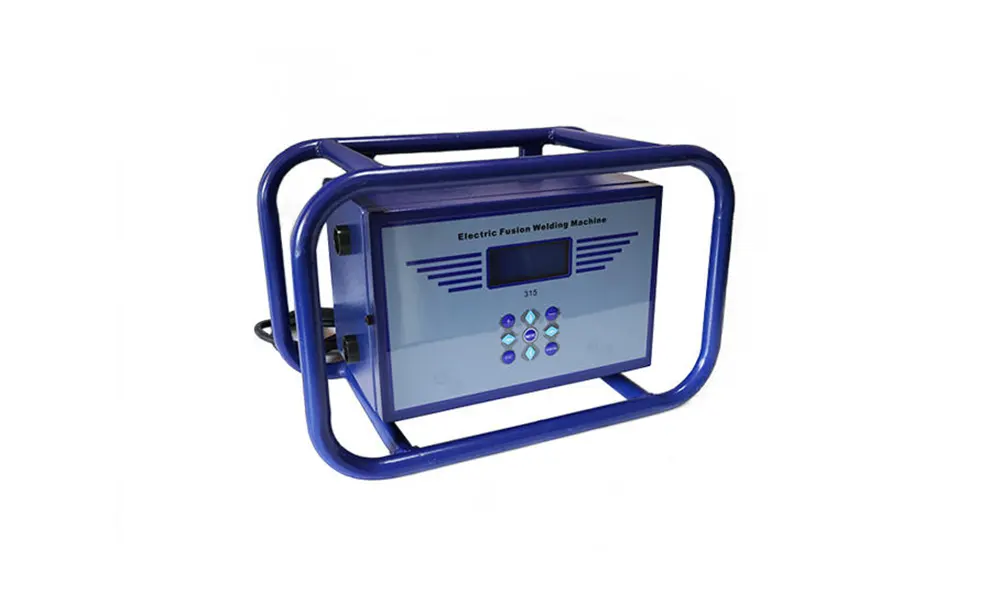
Quick Tips Before You Begin
Always check power source stability, electrode/coupler cleanliness, and that the fusion fittings are within manufacturer temperature and traceability guidelines before running a welding cycle.
Complete Error & Alarm Code List (Common Codes)
| Code | Meaning | Likely Cause | Immediate Fix | Preventive Action |
|---|---|---|---|---|
| E01 | Low mains voltage | Weak generator/unstable supply | Switch to stable supply or run generator at rated load | Use a regulated power source and monitor voltage |
| E02 | Over temperature | Heater overheated or sensor drift | Allow cool down; inspect heater and sensor wiring | Regular heater inspection and avoid extended idle heating |
| E03 | Under temperature | Bad contact, low power or damaged element | Check connections, clean electrodes, retry | Clean electrodes before each weld and test preheat |
| E04 | Short circuit | Damaged cable or connector, moisture | Power down, inspect/replace cable or coupler | Store cables dry; protect connectors from contaminants |
| E05 | Open circuit | Broken wire, loose clamp | Reconnect or replace wiring/clamps | Check continuity regularly and secure clamps |
| E06 | Heater element fault | Worn or burnt heating coil | Replace heating plate/element | Follow duty cycle limits; inspect before use |
| E07 | Temperature sensor fault | Sensor disconnected or failed | Replace sensor, verify connector pins | Calibrate sensors annually; secure wiring |
| E08 | Communication error | Internal module comms or display bus fault | Restart unit; if persistent, update or reflash firmware | Keep firmware updated and log repeated faults |
| E09 | Blown fuse | Overcurrent event | Replace fuse with specified rating | Check for root cause before replacing fuses |
| E10 | Drive/motor fault | Stalled feed, hydraulic motor issue | Inspect motor, clear jam, check hydraulics | Lubricate and test motor under load periodically |
| E11 | Software mismatch | Corrupted firmware or incompatible library | Reinstall approved firmware | Version control and authorized updates only |
| E12 | Ground fault | Insulation failure or moisture | Isolate unit, dry and inspect insulation | Protect instruments from water ingress |
| A01 | Clamp not closed | Misalignment or obstruction | Reposition pipe and ensure proper seating | Train operators on alignment checks |
| A02 | Fitting code/template mismatch | Wrong program or incompatible fitting | Select correct fitting profile and retry | Cross-check QR/barcode read before weld |
| Err1 | Calibration required | Sensor drift or elapsed calibration interval | Run calibration procedure per manual | Log calibration dates; schedule regular checks |
How to Read a Code and Act Fast
1. Record the exact code and any secondary indicators (LEDs, beeps, log entry).
2. Isolate the unit from the power supply if a safety or electrical code appears.
3. Follow the immediate fix column in the table above. If the error persists, escalate to qualified service.
Typical Troubleshooting Workflow
Start with visual checks (connectors, cables, fuses), then validate power and ground. If electrical checks clear, verify temperature sensors and heater continuity. For intermittent communication or software codes, capture logs and perform a controlled firmware reinstall if endorsed by the manufacturer.
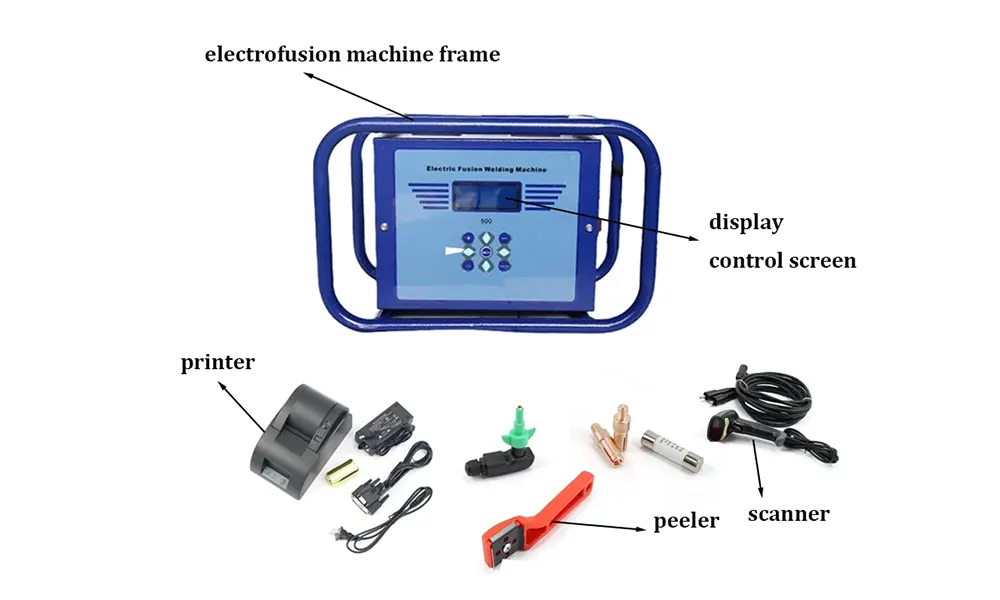
Preventive Maintenance & Calibration Checklist
– Check and clean electrode contacts before each shift.
– Inspect power leads, clamps, and protective insulation weekly.
– Replace worn heating elements as part of scheduled maintenance.
– Keep firmware and welding profiles up to date and backed up.
– Perform sensor calibration per manufacturer intervals or when Err1 appears.
Safety & Best Practices
Always wear PPE, keep the welding area free of flammable materials, and use a verified earth/ground connection. Confirm coupler codes and fitting compatibility before initiating any cycle. For critical pipelines, use traceable weld records and retain logs for quality audits.
When to Contact Professional Support
If an error code persists after basic fixes, if there are repeated electrical faults, or if weld profile data is inconsistent, contact qualified service. Save logs/screenshots and give the service team the exact code sequence to speed diagnosis.
For factory-authorized parts, calibration, and specialized troubleshooting, contact JQ-Fusion via https://jq-fusionwelding.com/ — the manufacturer provides HDPE welding machines, support, and replacement components for field and workshop operations.



