
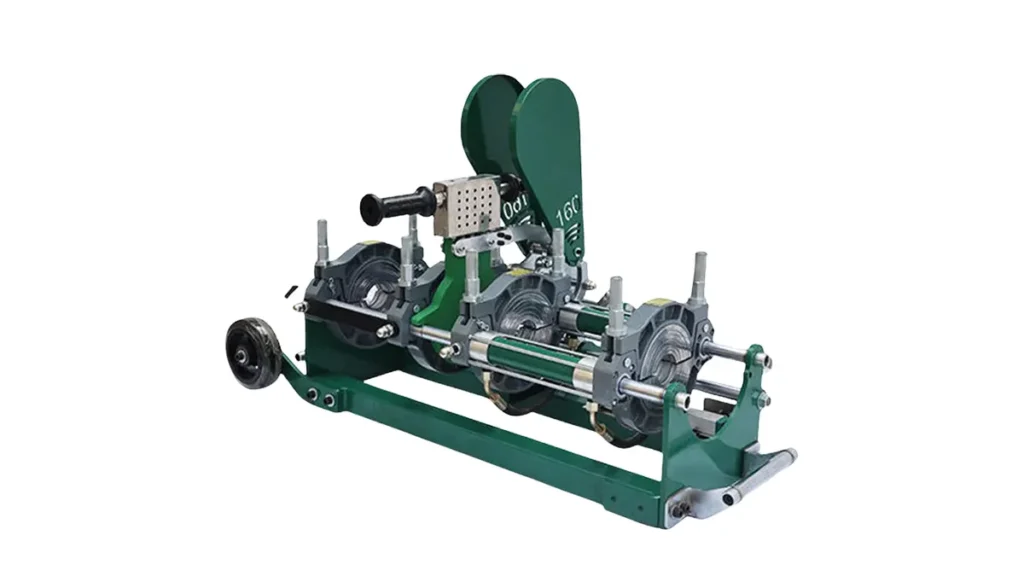
Operating a PE (HDPE) pipe butt fusion welding machine safely and reliably depends as much on the work environment as on the machine and operator skill. This guide explains the environmental conditions, site preparation, power and safety checks, and practical tips you need to achieve high-quality joints and reduce risks during welding operations.
Why Environmental Control Matters
Butt fusion welding creates a molecular bond by heating pipe ends and applying pressure. Environmental factors such as temperature, wind, moisture and cleanliness directly affect heating plate performance, cooling rates, and fusion integrity. Controlling these variables reduces rework, prevents weak welds, and improves on-site productivity.
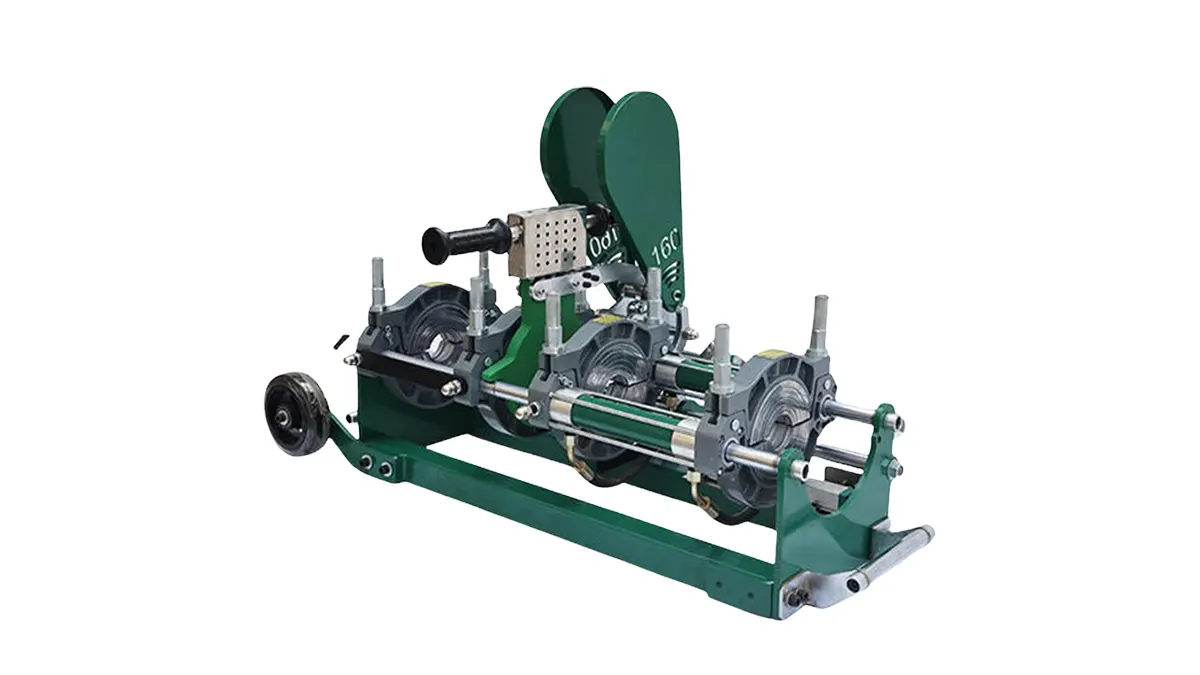
Key Site Conditions for Safe Operation
Before you start, verify these core environmental factors to ensure repeatable, compliant welds:
- Ambient temperature: Preferably between 5°C and 40°C (41°F–104°F) for standard procedures; extreme cold or heat requires special pre‑ and post‑heating protocols.
- Relative humidity: Keep below 85%. High humidity increases condensation risk on pipe faces and heating plates, compromising fusion.
- Wind and dust control: Shield the joint area from strong winds and airborne dust using windshields or portable enclosures to maintain heater plate temperature stability and cleanliness.
- Stable, level base: Place the machine on firm, level ground or a prepared platform to avoid movement during fusion pressure stages.
- Dry, clean surfaces: Pipe ends must be free from water, dirt, oil and frost. Use proper scrapers and cleaners and keep the area covered until welding.
- Lighting and visibility: Provide adequate lighting for alignment and visual inspection—important for QA documentation and operator safety.
Quick visual: recommended ranges
| Parameter | Recommended | Why it matters |
|---|---|---|
| Ambient temperature | 5°C–40°C (41°F–104°F) | Controls melt layer behavior and cooling profile |
| Relative humidity | <85% | Prevents condensation and contamination |
| Wind | Calm or shielded | Maintains heater plate temp and alignment |
| Surface cleanliness | Dry, free of oil/dirt/frost | Essential for full molecular fusion |
| Ground level | Firm & level | Prevents misalignment and pressure variation |
Power, Grounding & Electrical Safety
Electrical supply stability is critical for electric heating plates and CNC controls. Always check supply capacity, implement proper grounding, and protect circuits with RCDs or circuit breakers.
- Use suitably rated cables and keep them off walkways. Avoid long, undersized leads that cause voltage drop.
- Confirm machine grounding and bonding to prevent shocks and interference with electronic controls.
- When using generators, ensure they provide stable voltage and clean sine wave output—sensitive automatic weld controllers benefit from an inverter-type generator.
- Store heaters and control units in dry conditions and disconnect power when not in use.
Personal Safety & Site Controls
Operator safety goes beyond PPE. Combine physical protection with procedural controls:
- PPE: heat-resistant gloves, eye protection, high-visibility clothing and safety boots.
- Fire precautions: keep extinguishers nearby and remove flammable materials from the work zone.
- Access control: limit the work area to authorized personnel during heating and pressing stages.
- Ventilation: in enclosed spaces provide mechanical ventilation to disperse fumes if any additives or contaminants are being heated off pipe surfaces.
Weather & Seasonal Considerations
Cold climates require preheating of pipe ends and slower cooling profiles to avoid brittle joints. In hot climates, shade the joint area to prevent overheating and ensure cooling does not occur too rapidly. Plan schedules to avoid peak precipitation and inspect for condensation before starting.
Pre-Welding Setup Checklist
- Confirm machine calibration and heating plate cleanliness.
- Verify environmental readings (temp, humidity, wind) and document them for QA records.
- Inspect pipe faces and scrapers; remove all contaminants.
- Level and secure the machine and clamps; perform trial fit alignment.
- Test electrical supply, grounding, and emergency stop functions.
- Have spare consumables (scrapers, heater covers, seals) on hand.
Maintenance, Storage & Transport
Protect heaters and precision components from impact, moisture and dust during transport. Clean heating surfaces after each use and store machines in ventilated, dry spaces. Regularly inspect hydraulic lines, seals and control connectors for wear; follow manufacturer maintenance intervals.
Final Safe Operation Tips
Consistent documentation and adherence to environmental limits make the difference between a passable joint and a reliable pipeline. Implement a short site-specific SOP that includes environmental thresholds, sheltering methods, power checks and a pre-weld sign-off that the operator and site supervisor complete.
For professional HDPE welding equipment, reach out to JQ-Fusion for machine options and setup advice tailored to your project conditions.



