
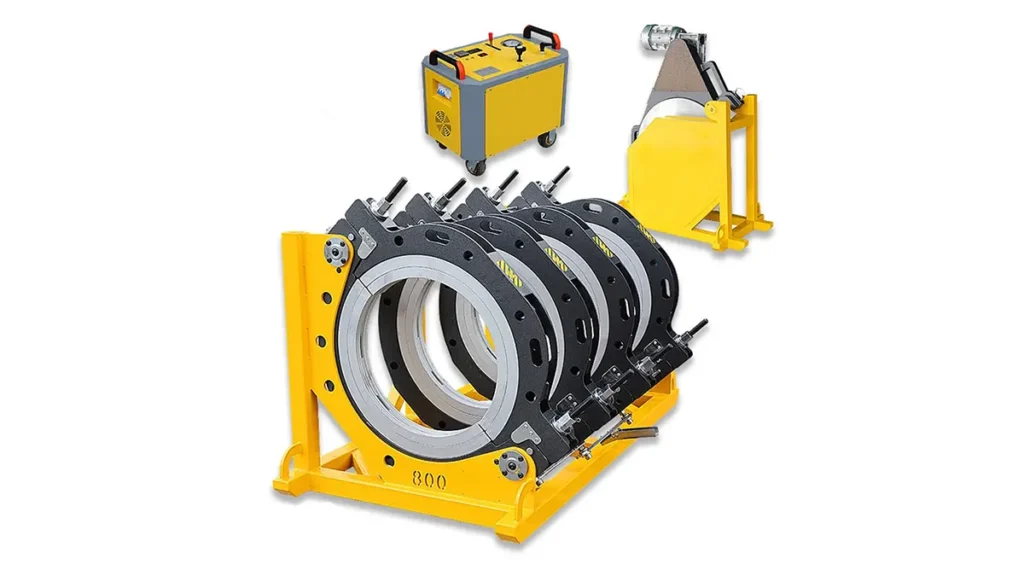
Introduction to HDPE Pipe Welding Safety
Installing HDPE pipelines requires strict attention to safety and quality to ensure long-term performance and leak-free operation. This guide outlines practical safety standards and best practices for butt fusion and related welding methods used in HDPE pipeline installation. Follow these practices to protect personnel, maintain equipment reliability, and meet regulatory expectations.
Core Safety Principles
Risk assessment before every job is essential: inspect the worksite for hazards, verify underground services, and ensure proper ventilation in confined spaces. Prioritize PPE — gloves, eye protection, high-visibility clothing, and heat-resistant gear — and confirm all team members understand emergency procedures.
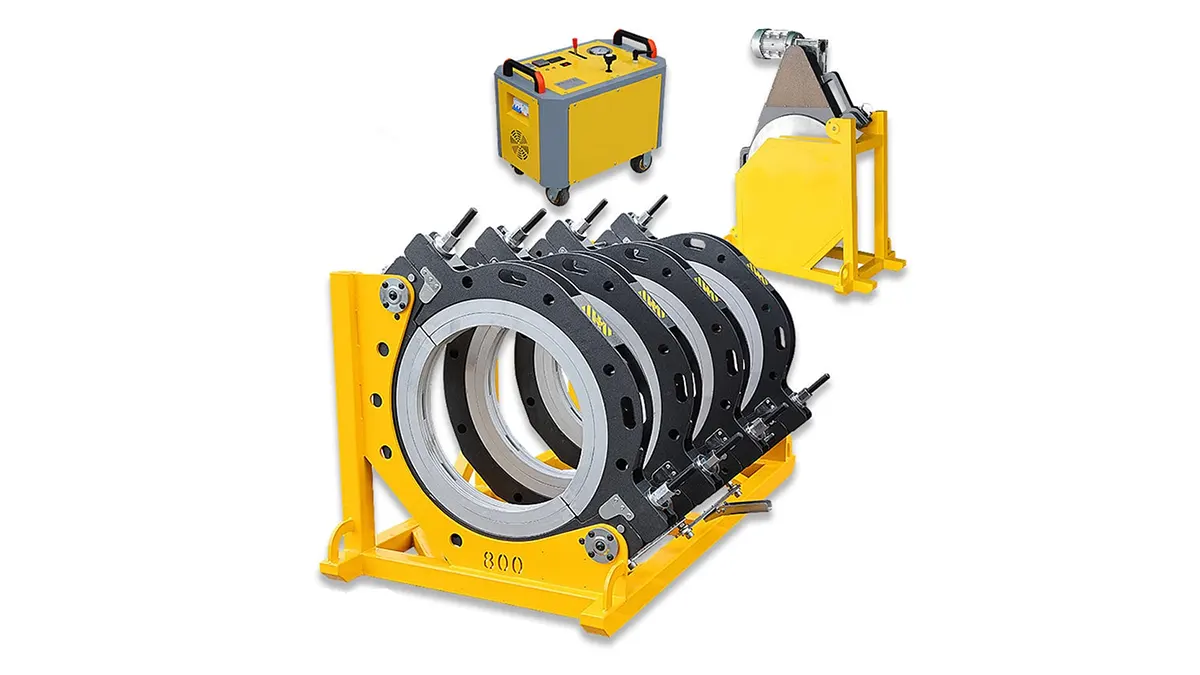
Equipment Safety and Maintenance
Well-maintained machines reduce the risk of failures during fusion. Conduct a pre-shift checklist that includes hydraulic fluid levels, electrical connections, heater plate condition, and alignment clamps. Calibrate temperature controllers and pressure gauges regularly, and keep heating plates clean and scratch-free to avoid weak joints.
Daily Pre-Operation Checklist
- Inspect clamps and alignment fixtures for wear or deformation.
- Verify heater plate temperature accuracy against calibrated instruments.
- Test hydraulic systems for leaks and proper pressure response.
- Ensure trimmers and facing tools are sharp and secured.
- Confirm the workspace is free of combustible materials and tripping hazards.
Welding Procedure and Quality Control
Follow a documented fusion procedure for each joint. Standard practices like surface preparation, correct heating times, alignment, and controlled cooling are non-negotiable. Use traceable weld logs to record ambient conditions, machine settings, operator, and joint identifiers for future inspection and warranty claims.
Operator Training and Certification
Competent operators make safe, reliable welds. Implement a training program that combines classroom instruction, hands-on practice, and periodic re-certification. Train teams on emergency shutdown procedures and how to interpret machine alarms and nondestructive test results.
Testing, Inspection, and Documentation
Non-destructive testing (visual inspection, hydrostatic testing where applicable) and sample destructive testing provide confidence in weld integrity. Maintain clear documentation for each welded joint and retain records per project or local regulatory requirements. A typical inspection protocol includes visual checks for flash symmetry, bead formation, and measurement of bead height.
Common Defects to Watch For
- Craters or underfill at the joint center — often from insufficient heating.
- Asymmetric flash — caused by misalignment or uneven pressure.
- Burn marks or overheating — due to excessive plate temperature or long heating time.
- Contamination in joint faces — clean surfaces are essential for molecular fusion.
Sample Guidance Table: Typical Fusion Parameters (Reference Only)
Always follow the machine manufacturer’s manual and applicable standards for exact parameters. The sample ranges below are illustrative for planning and training purposes; do not use them as final specifications for live projects.
| Pipe OD (mm) | Typical Heating Time (s/mm) | Alignment Pressure (bar) | Cooling Time (min) |
|---|---|---|---|
| 20–63 | 3–6 s/mm | 4–6 | 3–6 |
| 75–160 | 4–8 s/mm | 6–12 | 6–12 |
| 180–355 | 6–10 s/mm | 8–14 | 10–20 |
Regulatory Standards and Best Practice References
Adopt recognized standards and local regulations as the baseline for your quality system. Well-known references for HDPE fusion work include international and national standards for thermoplastic piping systems and fusion procedures. Always align project protocols with the client’s technical specifications and local authority requirements.
Operational Tips for Safer Installations
- Plan logistics to avoid delays that increase risk exposure on site.
- Use windbreaks and sunshades to stabilize heating plate temperatures outdoors.
- Store pipes on flat, clean surfaces to prevent contamination and deformation.
- Implement a permit-to-work system for hot works and confined-space entries.
- Keep a first-aid kit and fire extinguisher readily accessible at the fusion area.
Final Notes
Consistent adherence to safety standards, routine equipment maintenance, and thorough operator training create reliable HDPE pipeline systems that serve communities and industries safely for decades. Use documented procedures, verify every critical parameter, and maintain traceable records for each joint.
About JQ-Fusion: JQ-Fusion is a professional manufacturer specializing in HDPE pipe welding machines, providing reliable butt fusion solutions for global infrastructure projects. https://jq-fusionwelding.com/



