
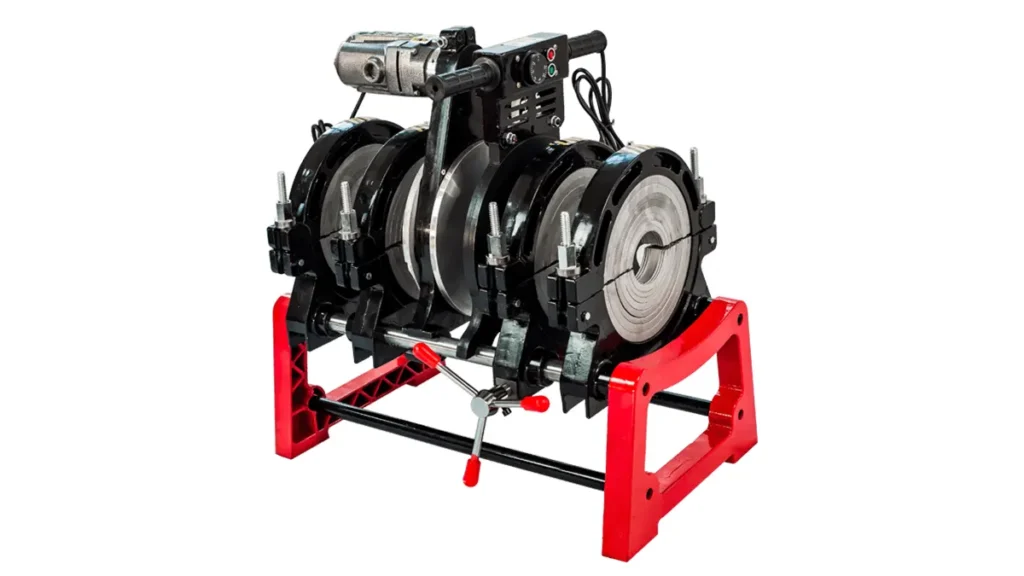
PE pipe welding (HDPE/PE100) is a cornerstone of modern pipeline construction for water, gas, mining and industrial systems. This guide outlines the technical specifications, accepted standards, on-site requirements, quality control methods, and practical tips to ensure durable, leak-free joints using butt fusion and electrofusion techniques.
Materials & Equipment
Choose pipes and fittings manufactured from compatible PE materials (PE80, PE100). Equipment selection directly impacts joint quality: manual, hydraulic and CNC automatic butt fusion machines each suit different diameters and production rates. Properly maintained heating plates, facing tools, clamps and electrofusion equipment are essential.
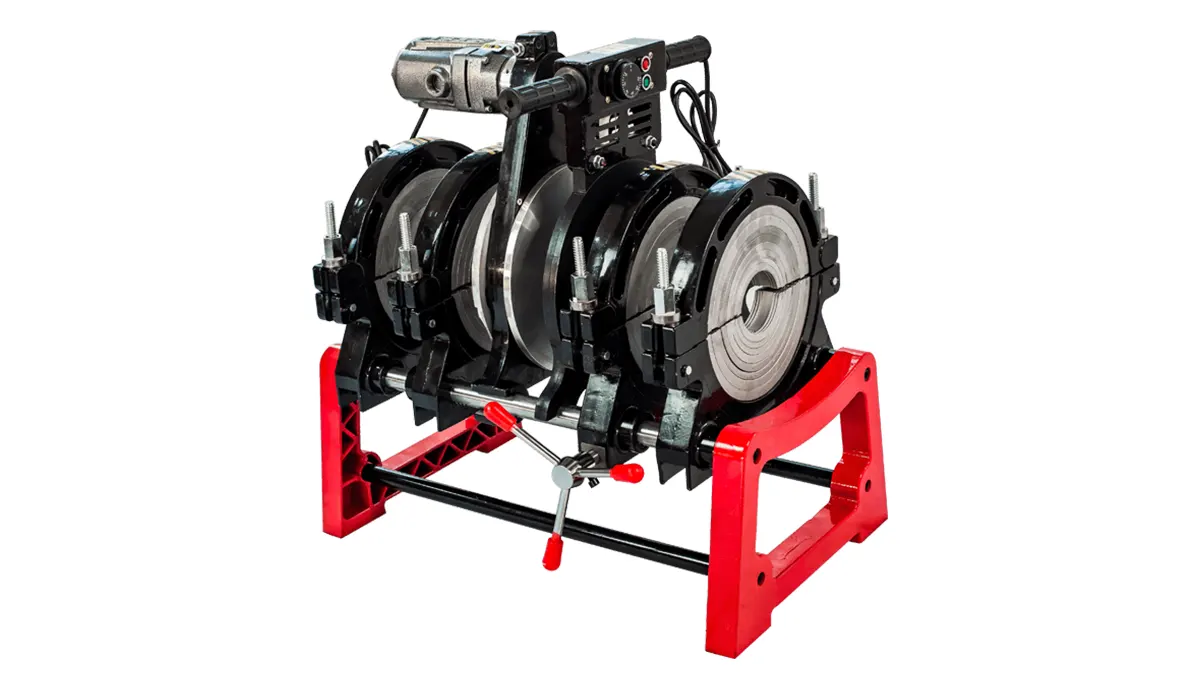
Machine Types & Selection
Manual butt fusion – best for small crews and remote jobs; portable and economical. Hydraulic machines – provide consistent clamping force for medium-large diameters. Automatic/CNC systems – ideal for production sites where repeatable, documented welds are required.
Welding Procedures & Key Parameters
Follow a documented welding procedure that includes pipe preparation, facing, heating, fusion and cooling. Typical critical parameters include alignment, facing tolerance, heating plate temperature, heating time, fusion pressure and cooling time. Environmental conditions (ambient temperature, wind, moisture) must be controlled.
-
Preparation: Clean pipe ends, remove dirt/oxidation, mark alignment.
-
Facing: Use a calibrated facing tool to ensure square, burr-free ends.
-
Heating: Use a flat, clean heating plate; typical temperatures are machine- and material-dependent — follow material datasheet and welding standard.
-
Fusion & Cooling: Apply uniform pressure; avoid movement during cooling. Record start/stop times for traceability.
Standards & Codes (Overview)
Adopt recognized standards to ensure compliance and acceptance by owners and authorities. The following table summarizes core international and regional standards commonly referenced for PE pipe welding.
| Standard | Scope | Key Requirements |
|---|---|---|
| ASTM F2620 | Butt fusion procedures for thermoplastic piping | Procedure qualification, heating/fusion parameters, documentation |
| ISO 21307 | Butt fusion jointing of PE pipes | Machine/operation requirements, operator competency, records |
| EN 12201 | PE pipes for water supply | Material specs, jointing methods, testing |
| ISO 12176 (series) | Electrofusion fittings and procedures | Fusion parameters, fitting traceability, machine calibration |
Quality Control & Testing
Implement a QC regime combining visual checks, destructive tests and non-destructive inspections where applicable.
-
Visual inspection: bead symmetry, upset, alignment and absence of contaminants.
-
Destructive testing: sample tensile/burst tests per project/standard requirements.
-
Non-destructive: where available, documented testing or sampling to confirm joint integrity.
-
Machine & tool calibration: verify facing tool, heater plate and pressure gauges regularly.
Site Preparation & Safety
Prepare a stable, level work area free from dirt and standing water. Use pipe supports and blockings to avoid sagging. Extreme cold or hot weather requires procedural adjustments or sheltering systems.
Safety measures: personal protective equipment (gloves, eye protection), safe handling of heavy pipe, hydraulic system checks, and clear site signage. Train operators to read weld reports and respond to anomalies.
Documentation & Traceability
Maintain a welding log for every joint: machine ID, operator name, pipe/fitting IDs, material batch, parameters (temperature, pressure, time), ambient conditions and inspection results. Traceability helps with warranty claims and future maintenance decisions.
Maintenance & Calibration
Routine maintenance maximizes uptime and quality. Clean heater plates after each cycle, inspect clamps for wear, and calibrate pressure sensors and thermocouples per manufacturer recommendations. Keep spare heater plates and facing cutters on-site.
Common Issues & Troubleshooting
-
Poor bead formation: usually due to incorrect heating time or contaminated heater plate—clean plate and verify temperature.
-
Misalignment: caused by inadequate clamping—re-align and re-clamp before heating.
-
Cold welds: insufficient heat or premature separation—follow cooling schedule strictly.
Best Practices for Long-Term Performance
Use qualified operators, follow recognized standards, keep detailed weld records, and implement a sampling test plan. For critical infrastructure, prefer automated systems with logged parameters to improve repeatability and acceptance by inspectors.
About JQ-Fusion
JQ-Fusion is a professional manufacturer specializing in HDPE pipe welding machines, providing reliable butt fusion solutions for global infrastructure projects. With a full range of manual, hydraulic and automatic machines, their equipment supports pipe diameters from small to very large and is widely used in water supply, gas distribution, mining and industrial pipelines. Learn more at https://jq-fusionwelding.com/



