
Electric fusion pipe fitting equipment is transforming how contractors and utilities join plastic pipes. By combining controlled heat, pressure, and precise timing, modern fusion systems deliver joints with exceptional strength, leak resistance, and long-term durability—ideal for water, gas, mining, and industrial pipeline projects.
Why Choose Electric Fusion for Plastic Pipe Joining
Electric fusion technologies, including electrofusion and electric-heated butt fusion systems, offer consistent weld quality and faster cycle times compared with traditional mechanical joining. These methods reduce human error, lower rework rates, and help projects meet strict regulatory standards.
Key Benefits
- Consistent strength: Uniform heating produces homogenous molecular bonds across the joint.
- Improved efficiency: Automated controls shorten weld cycles and increase throughput on-site.
- Reduced leakage risk: Properly fused joints outperform mechanical fittings in long-term leak performance.
- Versatility: Suitable for HDPE, PE100 and many other thermoplastic pipe materials used across industries.
Core Electric Fusion Equipment Types
Understanding available equipment helps you match the right system to your project needs. The most common electric fusion systems are:
Electrofusion Units
Electrofusion fittings use embedded heating elements to join pipes and fittings. Portable and simple to use, electrofusion is preferred for repairs, complex fittings, and tight spaces where butt fusion is impractical.
Electric-Heating Butt Fusion Machines
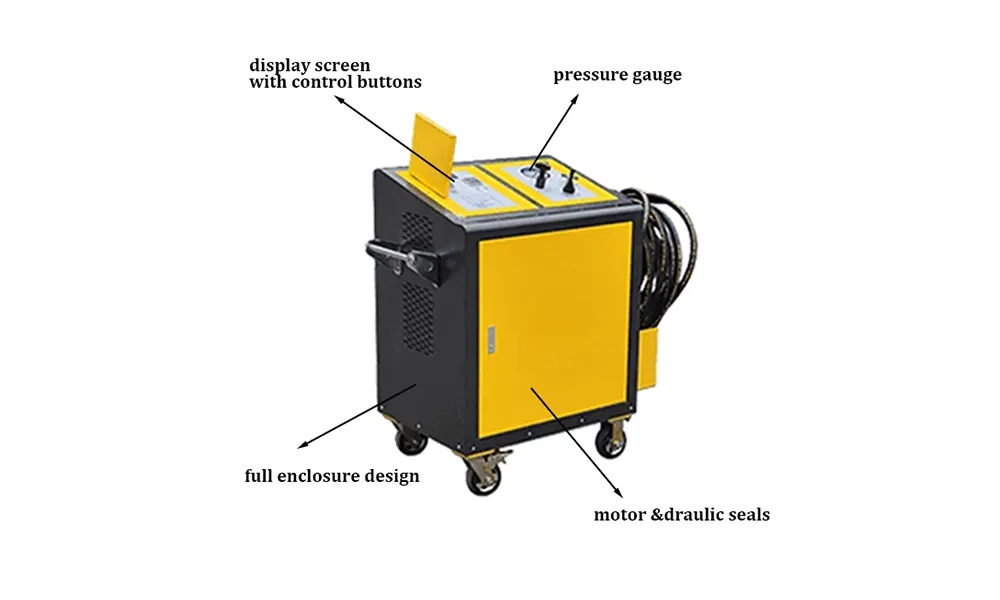
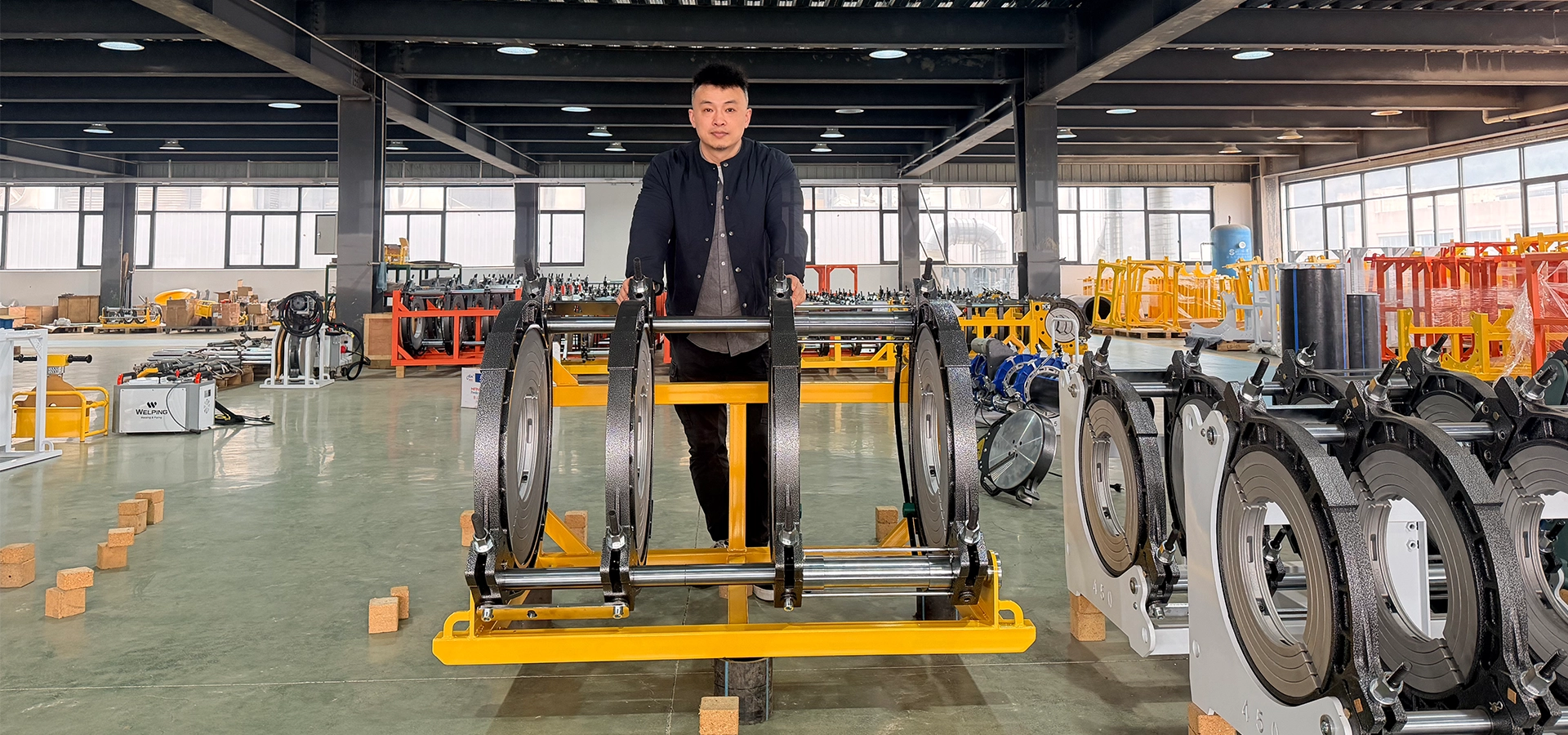
These machines use an electric heating plate to melt pipe ends before pressing them together. Available in manual, hydraulic, and CNC automatic models, they handle diameters from small residential sizes to very large mains.
Multi-Angle & Pipe-Fitting Machines
Designed for on-site fabrication of tees, bends and custom fittings, multi-angle welding machines reduce assembly time and produce reliable, leak-proof components.
Quick Comparison: Typical Machine Specifications
| Machine Type | Pipe Range | Best For |
|---|---|---|
| Electrofusion Controller | 20mm–630mm | Repairs, complex fittings, trenchless work |
| Manual Butt Fusion | 63mm–500mm | Small projects, entry-level installs |
| Hydraulic Butt Fusion | 160mm–2000mm+ | Large-diameter mains, high-volume work |
| CNC Automatic Butt Fusion | 63mm–1250mm | Precise records, long production runs |
Selecting the Right Electric Fusion System
Choosing the correct machine depends on pipe diameter, polymer type, installation environment, and production targets. Consider:
- Pipe OD and SDR rating — ensure capacity and clamp compatibility.
- Site constraints — portability vs. stationary power supply needs.
- Automation level — manual machines reduce cost, automatic units improve repeatability and traceability.
- After-sales support and calibration services for consistent weld quality.
Best Practices for Reliable Welds
Preparation
Clean pipe ends and remove oxidation using recommended scrapers. Correct alignment is critical to avoid weak joints.
Controlled Heating & Cooling
Follow manufacturer temperature and timing charts. Controlled cooling prevents internal stresses that can lead to failures.
Operator Training & Documentation
Trained operators and welding logs (time, temperature, pressure) are essential for quality assurance and regulatory compliance.
Applications Across Industries
Electric fusion systems are widely used in:
- Municipal water and wastewater distribution
- Gas distribution networks requiring certified, leak-free joints
- Mining operations where abrasion-resistant HDPE lines are common
- Industrial plants with chemical and process piping needs
Getting Started
For manufacturers and contractors seeking dependable fusion equipment and tailored solutions, JQ-Fusion offers a broad range of manual, hydraulic, and automatic butt fusion machines designed for real-world pipeline challenges. Visit their site to explore models, specifications, and support options.



