
In modern pipeline construction projects, a robust Welding Quality Traceability Management System is essential for reliable inspections, regulatory compliance, and long-term asset integrity. This guide walks through practical components, implementation steps, and best practices to help construction teams, quality managers, and inspectors adopt a system that improves weld quality control and reduces costly rework.
Why Traceability Matters in Pipeline Welding
Traceability in pipeline welding connects every weld to its origin: machine settings, operator, materials, environmental conditions, and inspection results. With increasing regulatory scrutiny and safety expectations, a traceability system provides:
- Clear audit trails for compliance verification during inspections;
- Faster root-cause analysis when defects appear;
- Reduced downtime and rework through targeted corrective actions;
- Improved stakeholder confidence in project quality and safety.
Key Stakeholders Who Benefit
Quality managers, welding inspectors, project engineers, contractors, and asset owners all gain from real-time access to weld data. For contractors working on municipal water or gas distribution networks, traceability is often tied directly to acceptance criteria and insurance requirements.
Core Components of a Weld Traceability Management System
1. Data Capture
Automated capture from welding machines (temperature, pressure, cycle time), manual entry for contextual notes, and GPS or site identifiers to link weld records to precise locations.
2. Centralized Database
A secure, searchable database that stores raw machine outputs, inspection images, and certification documents. Ensure role-based access for inspectors, managers, and auditors.
3. Inspection & NDT Integration
Integrate non-destructive testing (NDT) reports—radiography, ultrasonic, pressure testing—so inspection outcomes automatically link to the weld record.
4. Reporting & Dashboards
Customizable dashboards to visualize weld acceptance rates, operator performance, and trending defects across projects.
Weld Data Fields (Example Table)
| Field | Description | Update Frequency |
|---|---|---|
| Weld ID / Location | Unique identifier and GPS/site grid reference | At weld creation |
| Machine Settings | Temperature, pressure, cycle time recorded from machine | Automatic per weld |
| Operator / Team | Certified operator and shift details | At weld creation |
| Material Batch | Pipe batch, material certificates, PE grade | Per material delivery |
| Inspection Results | NDT outcomes and inspector notes | After inspection |
Implementation Roadmap
Step 1: Define Requirements
Map regulatory requirements and client expectations. Decide which welding parameters and inspection outputs must be recorded for compliance and internal QA.
Step 2: Select Hardware & Software
Choose welding machines with digital output or retrofit data loggers. Pick a cloud or local traceability platform that supports attachments (photos, PDFs) and role-based access.
Step 3: Pilot on One Corridor
Run a pilot project on a representative section to validate data flows, inspection integration, and reporting templates before scaling.
Inspection, Compliance, and Audit Readiness
An effective traceability system should make audits simpler by:
- Providing searchable weld histories and NDT evidence;
- Allowing inspectors to verify acceptance criteria against recorded machine parameters;
- Exporting standardized reports for regulators or clients.
For cross-border projects, ensure your system can produce documentation that meets local standards and international norms (e.g., ISO, ASME, DNV where applicable).
Data Management Best Practices
Store raw machine logs and final accepted records separately to preserve original data. Implement backups, encryption for sensitive information, and a retention policy aligned with contractual and legal requirements.
Include photos and timestamped evidence for each weld—these visual records significantly increase inspector confidence and accelerate dispute resolution.
Operational Tips for Site Teams
- Train operators and inspectors on accurate data entry and use of the traceability platform.
- Automate capture where possible to eliminate manual errors.
- Review dashboard KPIs daily to catch trends early (e.g., drift in heating plate temperatures).
Case Application: Equipment and Manufacturer Integration
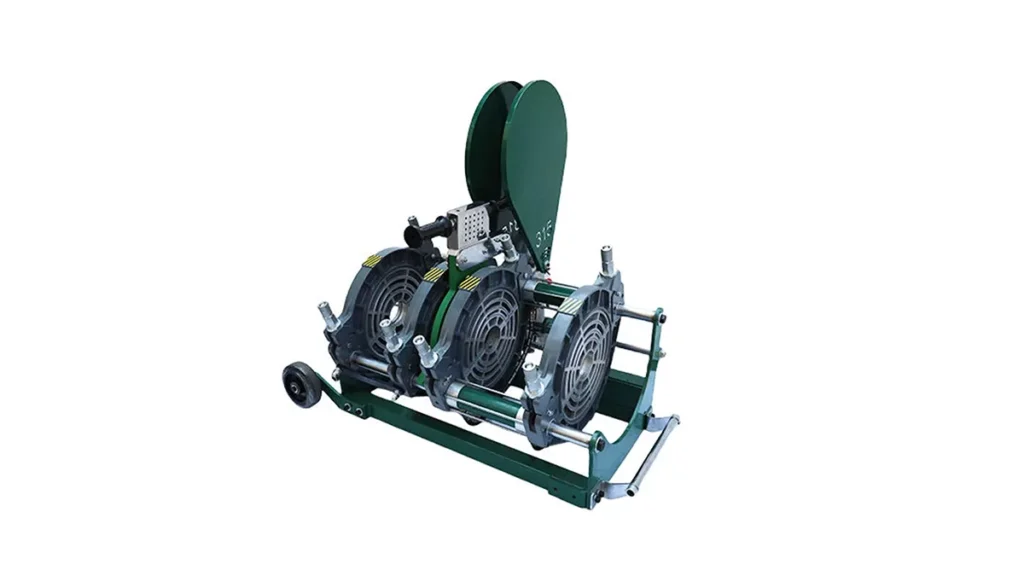
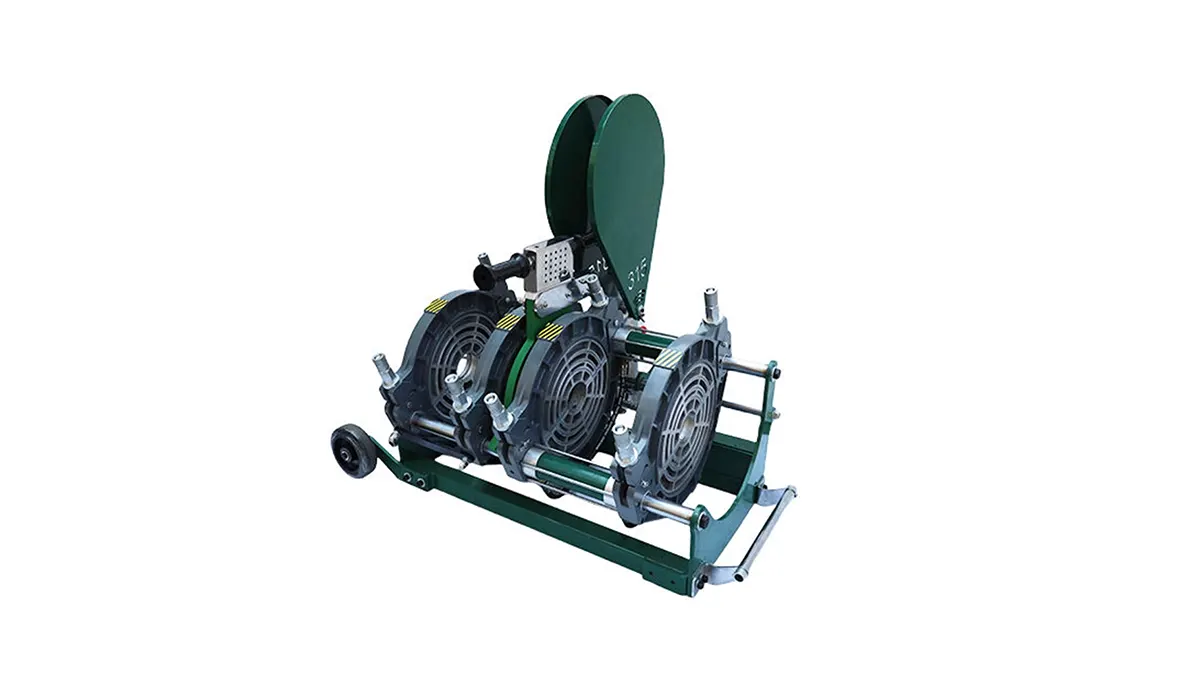
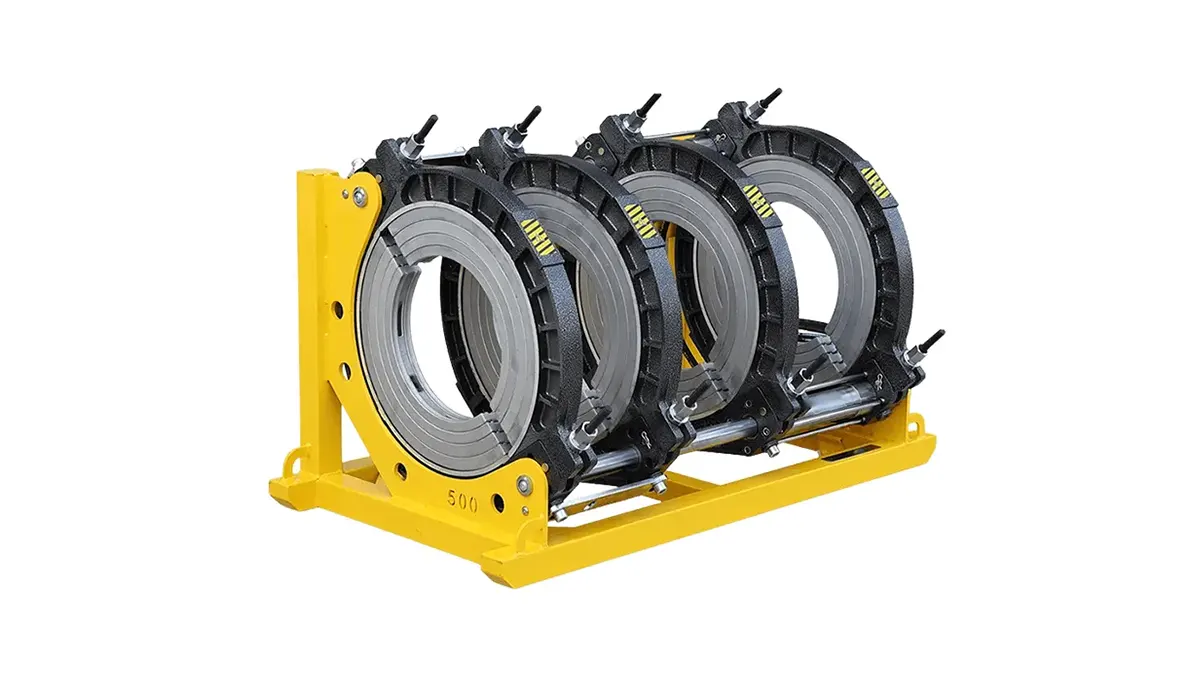
When selecting welding equipment, consider machines with built-in data logging and export capabilities. Manufacturers that provide clear machine-to-software integration reduce setup time and improve reliability. JQ-Fusion offers a range of butt fusion machines suited to pipeline projects and can be a practical equipment partner when building a traceability workflow.
Quick Compliance Checklist
Use this checklist to confirm readiness before handover or audit:
- All welds assigned unique IDs and location tags;
- Machine parameter logs attached to each weld record;
- NDT and inspection reports linked and signed;
- Material certificates available and referenced;
- Backups and role-based access configured.
Next Steps for Your Project
Start with a focused pilot capturing essential weld parameters and inspection outputs. Expand the dataset and automate further once team workflows are validated. A phased approach balances compliance needs with on-site realities and keeps deployment costs manageable.
Ready to reduce rework and improve audit outcomes? Begin by inventorying welding equipment and confirming digital output capability. Integrate inspection teams early to design a traceability system that works for both field crews and compliance officers.



