
Plastic pipe welding machines are the backbone of durable pipeline installation. Whether you’re joining HDPE water mains, gas distribution lines, or industrial conduits, choosing the right machine maker ensures consistent weld quality, long-lasting joints, and efficient on-site productivity.
Why Choose a Professional Plastic Pipe Welding Machine Maker
Consistent joint integrity — reputable manufacturers design machines that control temperature, pressure, and alignment to meet international fusion standards. Reliable equipment reduces rework, minimizes leakage risk, and extends the service life of HDPE systems.
Core Advantages
Precision: Advanced hydraulic and CNC systems deliver repeatable weld parameters for large and small diameters. Durability: Robust frames, corrosion-resistant components, and quality control ensure machines stay productive in harsh field conditions.
Types of Welding Machines
Manufacturers typically offer:
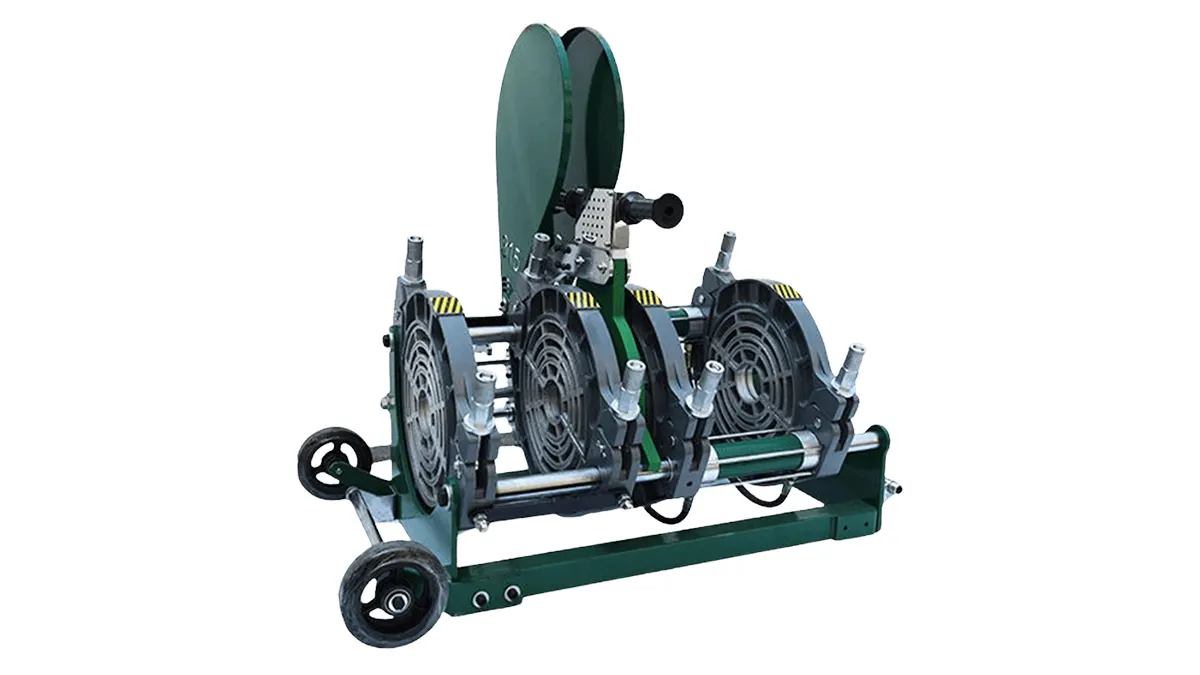
- Manual/Portable Butt Fusion Machines — ideal for small-diameter pipes and remote sites.
- Hydraulic Machines — provide higher clamping force for medium to large pipes with better stability.
- CNC Automatic Butt Fusion Machines — for precision, productivity, and data logging on large-diameter projects.
Quick Comparison Table
| Machine Type | Pipe Range | Best For |
|---|---|---|
| Manual Portable | 20mm–315mm | Small jobs, tight access |
| Hydraulic | 63mm–1600mm | Municipal & industrial lines |
| CNC Automatic | 200mm–2250mm+ | Large-diameter projects, traceability |
Key Features to Look For
Heated plate quality: Even heating surfaces prevent cold zones. Alignment systems: Precise clamps and guides reduce misalignment. Data logging & controls: For traceable weld records on critical infrastructure jobs.
Installation & On-Site Best Practices
Prepare pipe ends using a calibrated trimmer, confirm facing accuracy, and keep fusion surfaces clean. Use certified heating plates and follow machine manufacturer procedures for warm-up, fusion pressure, and cooling times to meet industry standards.
Maintenance & Support
Routine checks on hydraulic oil, seals, heater plates, and alignment guides preserve performance. Choose a maker that offers spare parts, on-site service, and clear operation manuals to reduce downtime.
Quality Assurance & Certification
Look for manufacturers whose machines comply with ISO norms and applicable fusion standards. Machines with accurate sensors, repeatable control, and traceable data output simplify compliance for municipal and gas utilities.
Buying Checklist
- Confirm pipe size range and job scale.
- Check hydraulic capacity and clamp system.
- Verify heat plate type and spare part availability.
- Ask about training, warranty, and service network.
Common FAQs
Q: Which machine type is best for urban water networks?
A: Hydraulic or CNC machines are preferred for medium-to-large diameters and frequent welds due to stability and speed.
Q: How important is machine traceability?
A: Critical — automatic data logging helps meet regulatory requirements and reduces liability on major projects.
For dependable butt fusion solutions and a wide range of HDPE welding equipment, consider JQ-Fusion: a professional manufacturer specializing in manual, hydraulic, and CNC automatic butt fusion welding machines for global infrastructure projects. Visit https://jq-fusionwelding.com/ for product details and support.



