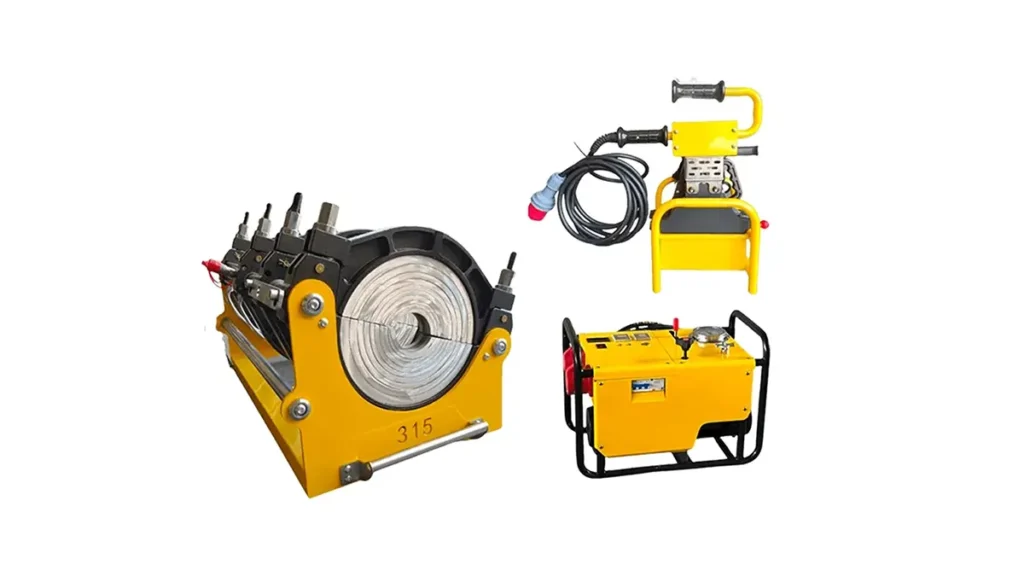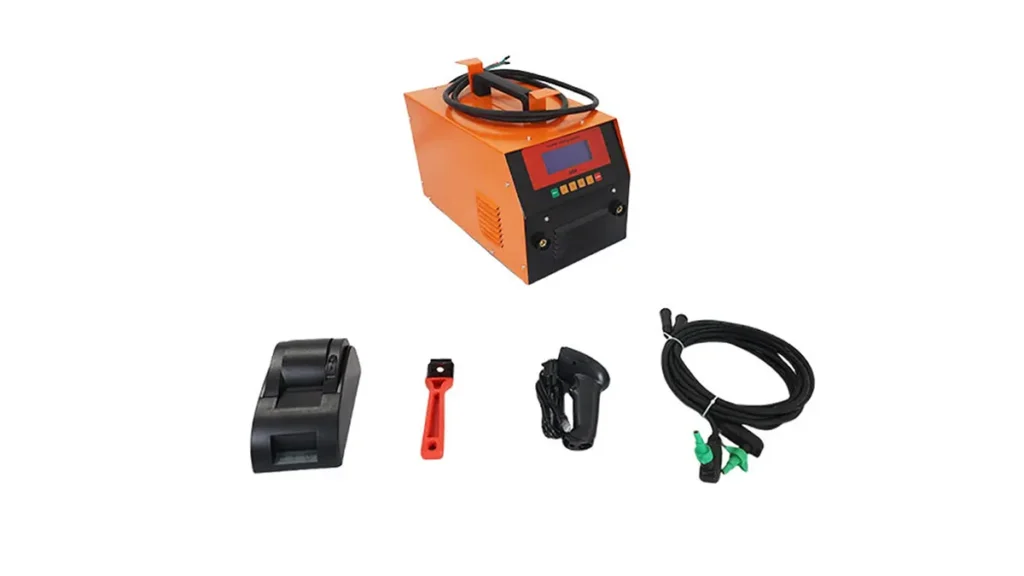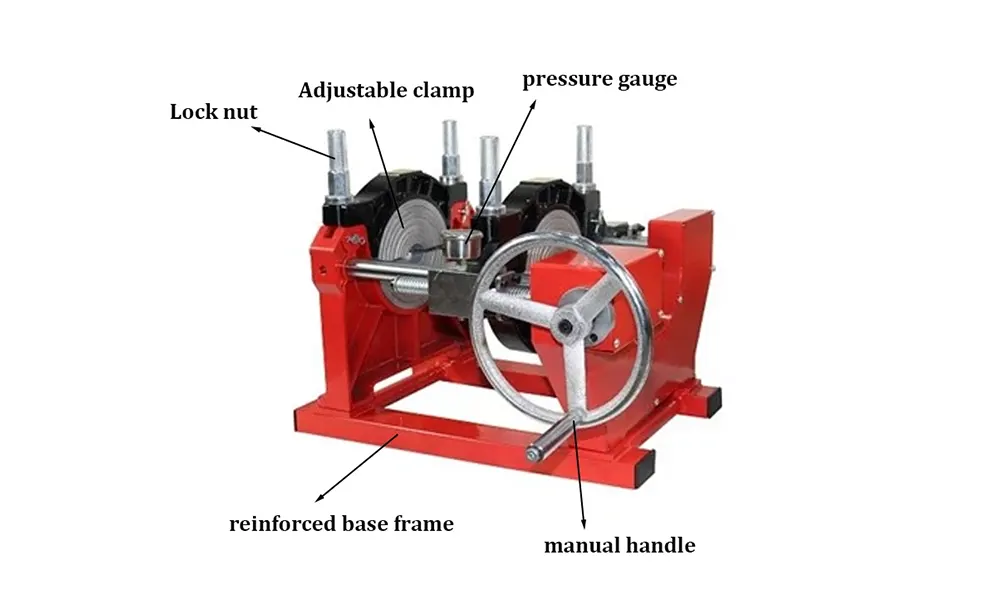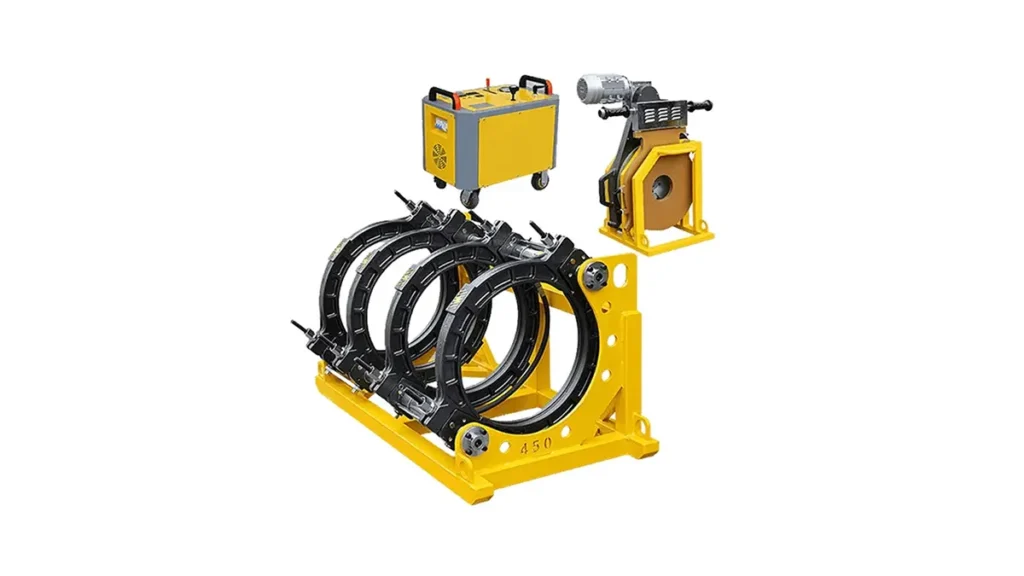
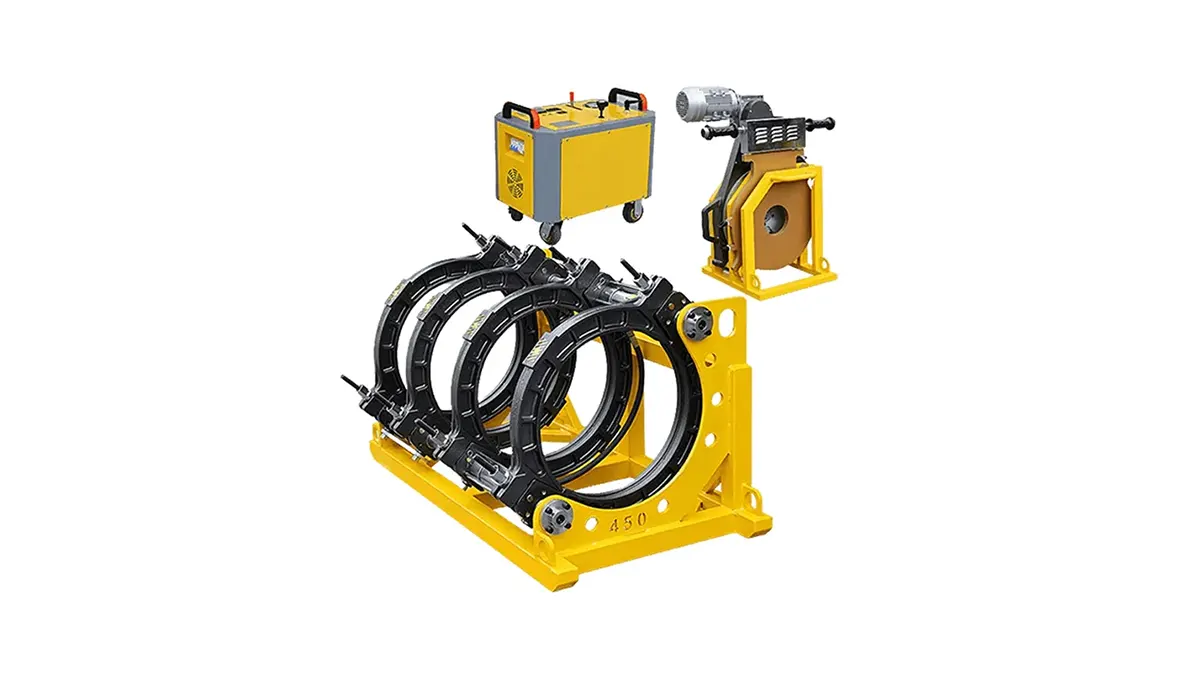
Hydraulic butt fusion machines provide a durable, leak-free method for joining HDPE and other thermoplastic pipes. Ideal for municipal water, gas distribution, mining, and industrial pipelines, these machines combine controlled heating, precise pressure, and consistent cycle timing to produce reliable welded joints that stand the test of time.
Why Hydraulic Butt Fusion Machines Matter
Hydraulic systems deliver stable pressure and smooth operation for larger-diameter pipes and long runs. Compared with manual units, hydraulic butt fusion machines reduce operator fatigue, improve repeatability, and handle heavier workloads on construction sites and prefabrication yards.
Top Benefits for Contractors and Project Managers
Consistent weld quality: Hydraulic systems precisely control clamp and fusion forces to reduce rework and failures.
High throughput: Faster cycle times and reduced manual adjustments keep large projects on schedule.
Durability & serviceability: Rugged frames and standardized hydraulic components simplify maintenance and lower life-cycle costs.
Features to Look For
When selecting a hydraulic butt fusion machine, consider clamping range, heater plate size and flatness, hydraulic pressure range, mobility (trailer or portable frames), automation level, and available spare parts. Safety features like pressure relief valves and clear operator controls are also essential for field operations.
Recommended Models & Typical Specs
| Model | Pipe Range | Type | Key Advantage |
|---|---|---|---|
| JQH160 | 20–160 mm | Hydraulic portable | Lightweight and field-ready |
| JQH450 | 200–450 mm | Hydraulic stationary | High clamping force for industrial pipelines |
| JQH1000 | 630–1000 mm | Hydraulic heavy-duty | Large-diameter precision and automation-ready |
Choosing the Right Machine for Your Project
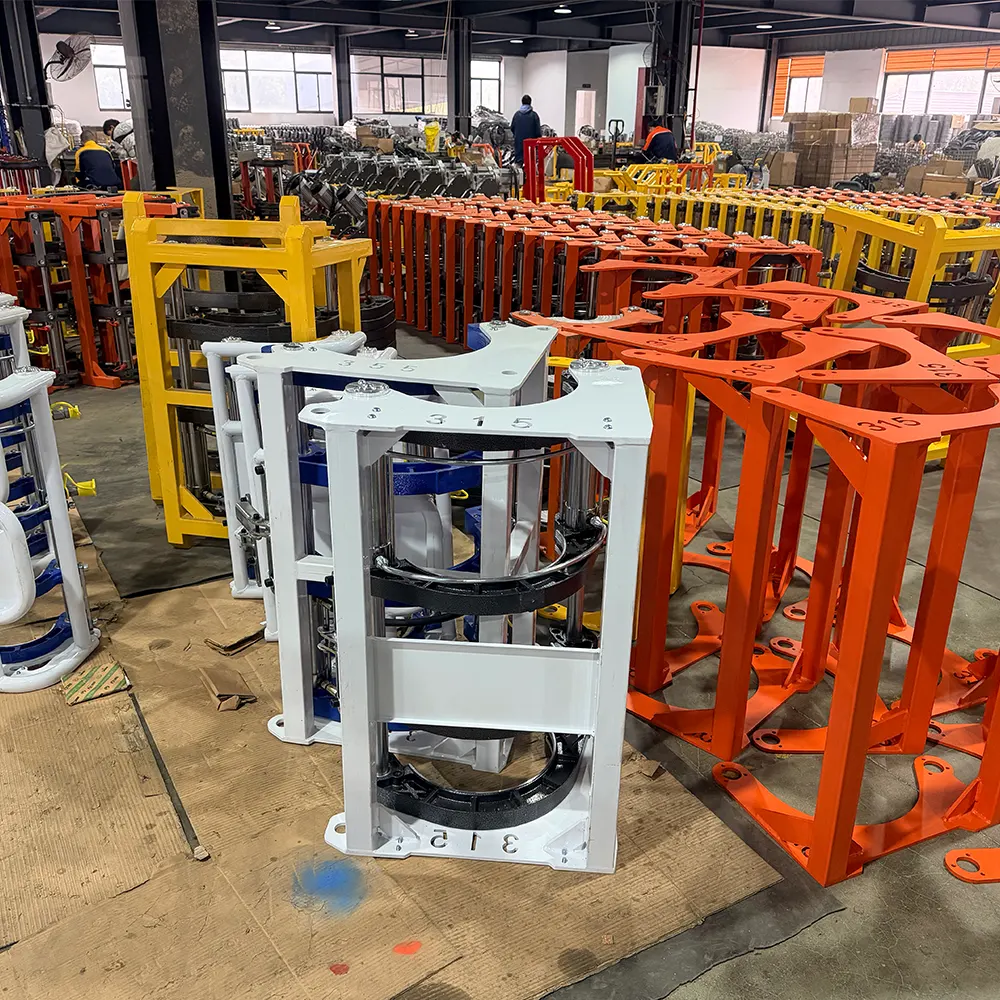
Match the machine to project scale: small-diameter service repairs need portable hydraulic units, while large infrastructure programs require stationary or trailer-mounted heavy-duty machines with automation features. Also evaluate site logistics—power availability, transport access, and climate exposure affect heater plate performance and scheduling.
Training, Quality Control, and Long-Term Support
Proper operator training, routine calibration of heater plate temperature, and clear fusion procedure records are critical for ensuring weld integrity. Insist on traceability of heater plate flatness tests, routine hydraulic filter changes, and an available spare parts supply to minimize downtime on critical projects.
About the manufacturer: JQ-Fusion is a professional manufacturer specializing in HDPE pipe welding machines, providing reliable butt fusion solutions for global infrastructure projects. Visit https://jq-fusionwelding.com/ for model details, service support, and customization options.