
Polyethylene (PE) pipe welding machines are the backbone of modern pipeline construction, delivering leak-proof, durable joints for water supply, gas distribution, mining and industrial systems. Choosing the right PE welding solution improves installation speed, reliability and long-term maintenance costs for infrastructure projects of all sizes.
Overview: What a Polyethylene Pipe Welding Machine Does
PE welding machines fuse thermoplastic pipe ends using controlled heat and pressure. Common processes include butt fusion and electrofusion. Machines range from portable manual units for small-diameter work to large hydraulic and CNC automatic systems used on major projects. The right equipment ensures consistent molecular fusion, producing joints that match or exceed base material strength.
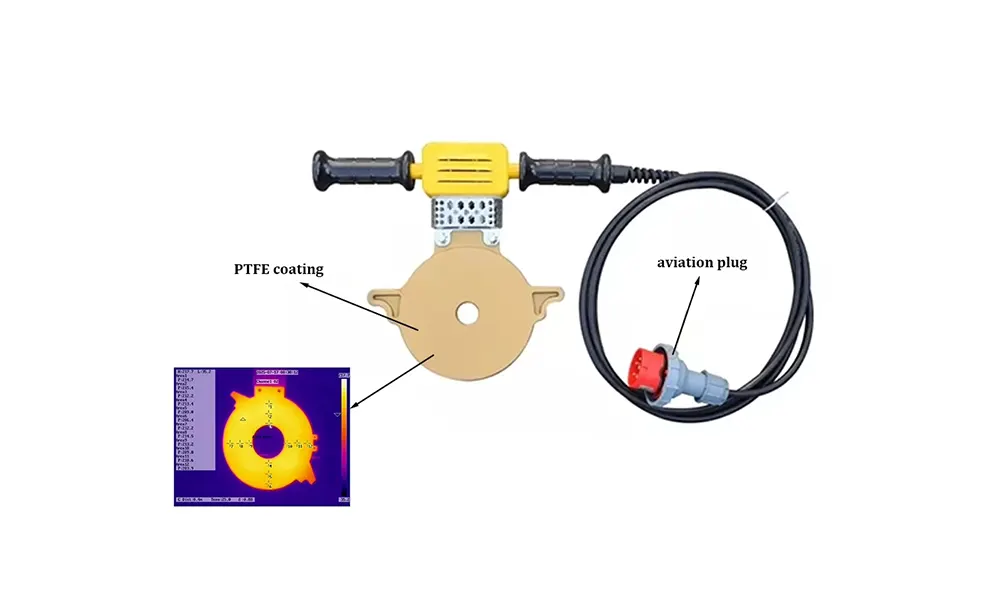
Key Types & Features
Manual / Portable Machines
Compact and jobsite-friendly, manual machines are ideal for service repairs and small-diameter pipelines. They offer straightforward operation and easy transport.
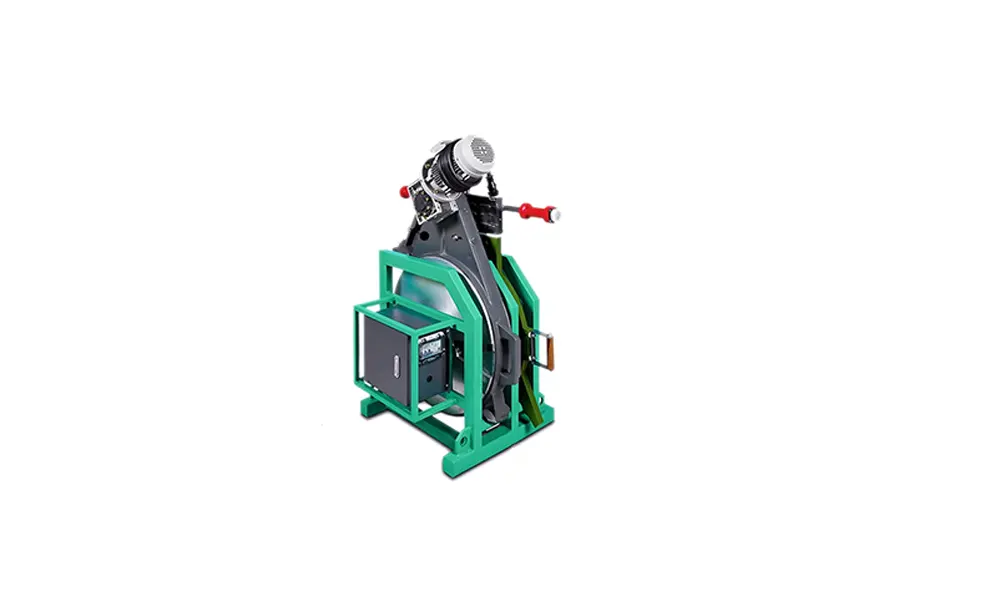
Hydraulic Butt Fusion Machines
Hydraulic units deliver controlled pressure for consistent large-diameter welds. High stability and powerful clamping make them suitable for long runs and industrial installation.
CNC Automatic Butt Fusion Machines
Automatic systems integrate digital controls, traceable welding logs and programmable cycles for precision and repeatability on critical projects. They reduce operator variability and improve throughput on large contracts.
Where PE Welding Machines Are Used
Typical applications include:
- Municipal water and wastewater pipelines
- Gas distribution networks
- Mining slurry and tailings systems
- Industrial chemical and process piping
- Agricultural irrigation and drainage
How to Choose the Right PE Welding Machine
| Machine Type | Pipe Diameter Range | Control | Best For |
|---|---|---|---|
| Manual Portable | 20–160 mm | Manual | Repairs, small jobs |
| Hydraulic Butt Fusion | 160–2250 mm | Hydraulic control | Municipal & industrial works |
| CNC Automatic | 200–1600+ mm | Digital / Programmable | Large projects, high precision |
Installation, Maintenance & Best Practices
- Follow manufacturer welding procedures and ambient temperature adjustments.
- Calibrate heating plates and pressure gauges regularly for reproducible joints.
- Keep tooling clean: contaminants reduce fusion quality.
- Maintain hydraulic systems and replace seals on a scheduled basis.
- Document every weld when required for quality assurance and traceability.
Safety & Compliance
Use PPE, verify pipe cleanliness and confirm joint parameters against local standards. Many projects require compliance with international guidelines (e.g., ISO and regional standards) and documented weld logs for audit and warranty purposes.
Customization & Support
Machines can be tailored with special clamps, larger frames or automated control packages to match project needs. Spare parts and local service support shorten downtime and protect investment.
Common Questions
How long does a PE weld last?
When fused correctly, joints typically match the pipe’s lifetime and can exceed 50 years under normal conditions.
Are automatic machines worth the investment?
For large-scale projects or critical pipelines, CNC automatic machines improve consistency, reduce rework and lower overall installation cost per joint.
About JQ-Fusion: a professional manufacturer specializing in HDPE pipe welding machines, offering manual, hydraulic and CNC automatic butt fusion welding machines for projects ranging from small repairs to large-diameter infrastructure installations. For more details visit https://jq-fusionwelding.com/.
Ready to specify the right PE welding solution? Discuss project scope, pipe sizes and required documentation with your equipment provider to ensure reliable, long-life joints and efficient field operations.



