
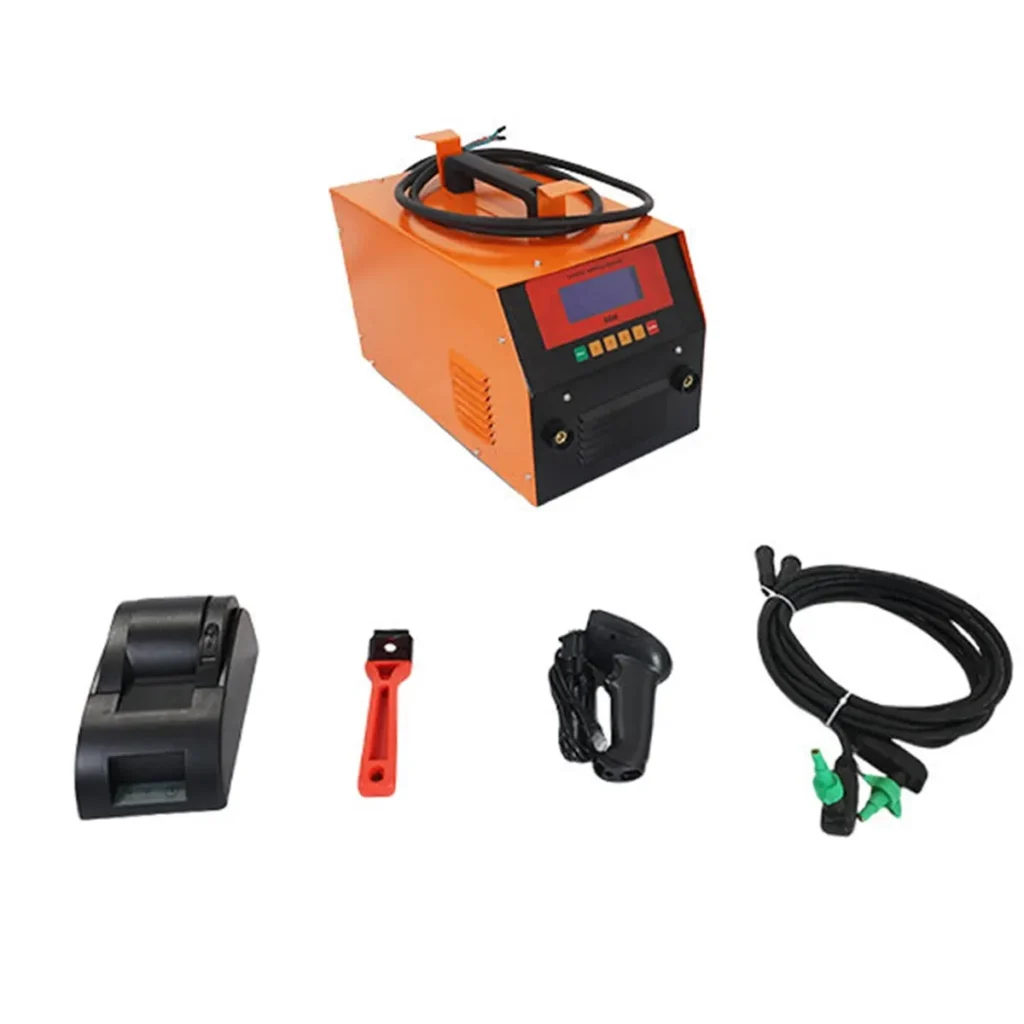
Electrofusion pipe welding machines are a cornerstone technology for joining HDPE and other thermoplastic pipes. This guide explains real-world applications, clear benefits, selection tips, and best practices to help contractors, engineers, and procurement teams get the most value from electrofusion equipment.
Key Applications of Electrofusion Pipe Welding Machines
Residential and commercial plumbing: Electrofusion fittings deliver leak-free connections for potable water, drainage, and underground pipe runs. The method is ideal in congested urban sites where precise, compact joints reduce excavation.
Gas distribution networks: Many utilities prefer electrofusion for medium- and low-pressure gas mains and service connections because it produces controlled, consistent joints that enhance safety and regulatory compliance.
Municipal water and wastewater systems: Electrofusion provides durable, corrosion-resistant joints suitable for buried mains, service laterals, and rehabilitation works where long-term reliability is critical.
Industrial and mining pipelines: For chemical processing, slurry transport, and mine dewatering systems, electrofusion connections resist chemical attack and mechanical stress, offering dependable performance in harsh environments.
Irrigation and agricultural networks: Large-scale irrigation systems and rural distribution networks benefit from quick, field-friendly electrofusion assembly that reduces downtime and maintenance.
When to Choose Electrofusion Over Butt Fusion or Mechanical Fittings
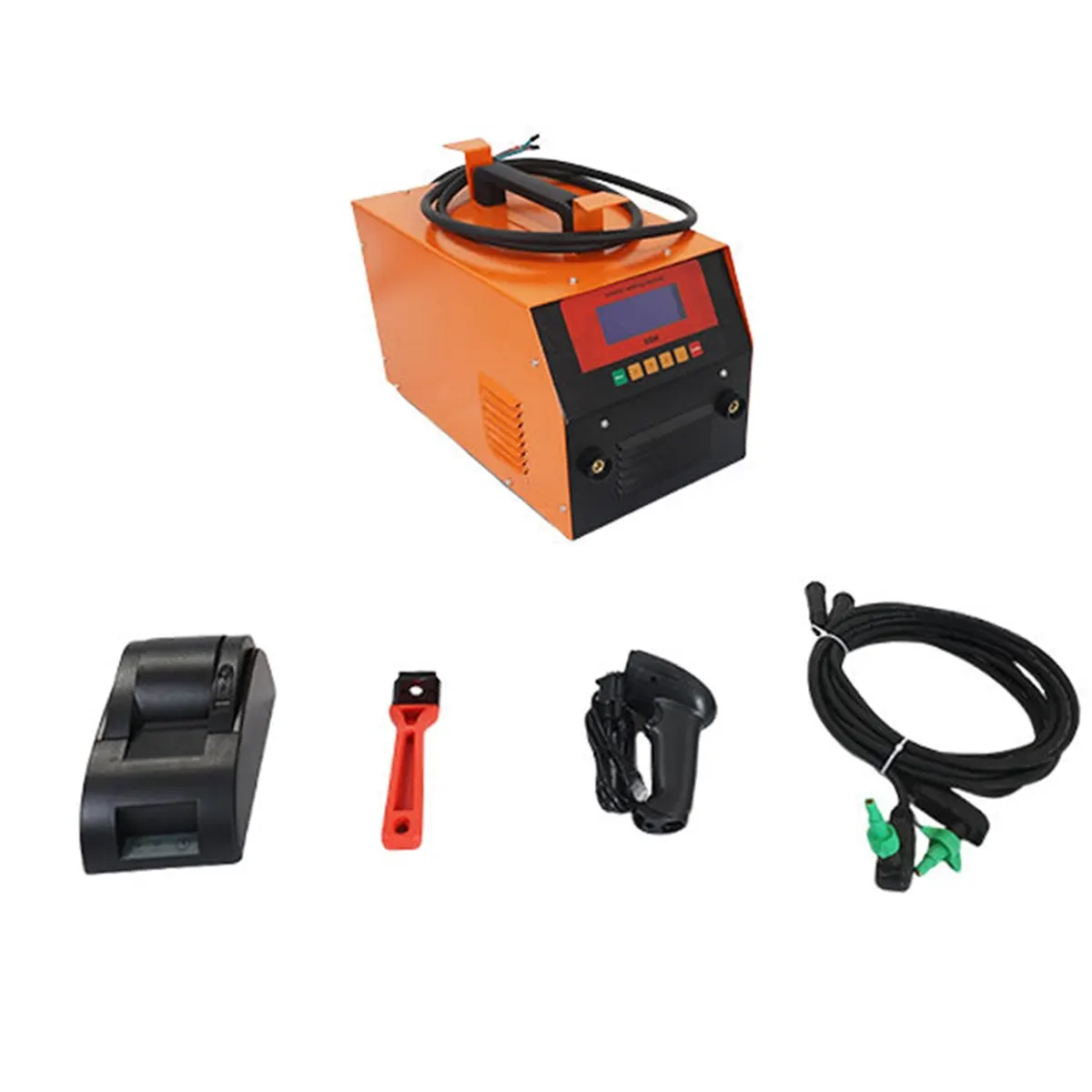
Electrofusion is often preferred when joining fittings, tapping into existing lines, or making repairs where access is limited. It excels with small-diameter service connections, saddle fittings, and complex assemblies where precision heating of the fitting’s embedded coil is required.
Top Benefits and ROI of Electrofusion Welding
Electrofusion welding reduces installation risk and lifecycle costs. Key benefits include greater joint consistency, minimal excavation for repairs, and improved safety for gas works. For many projects, these advantages translate to lower long-term operating costs and faster commissioning timelines.
| Benefit | Impact |
|---|---|
| Consistent joint quality | Reduces rework and inspection time |
| Suitable for repairs & connections | Minimizes excavation and downtime |
| Enhanced safety for gas lines | Meets regulatory expectations with reliable welds |
| Portable and field-friendly | Faster mobilization and flexible deployment |
Industries That See Immediate Gains
Utilities (water & gas), municipal works, mining, agriculture, and industrial plants all benefit from electrofusion’s reliability. Projects that prioritize reduced maintenance and long-term leak prevention see the fastest ROI.

How to Choose the Right Electrofusion Machine
Key selection criteria
Pipe size and fitting types: Verify the machine supports the diameter range and fitting formats you use most often (saddles, couplers, tees).
Controller features: Look for programmable units with traceable weld logs, clear displays, and adjustable power profiles for consistent weld cycles.
Portability vs. throughput: Handheld or compact units are excellent for service work; bench or cart-mounted systems suit workshop environments with high volumes.
Operation Best Practices for Reliable Joints
Surface prep: Ensure pipe and fitting surfaces are clean, free of oxidation, and properly scraped where required to expose fresh material.
Alignment and clamping: Use correct clamping fixtures to prevent movement during the heating and cooling cycle — alignment is critical to joint integrity.
Follow recommended heating/cooling cycles: Adhere strictly to manufacturer-specified power and cooling times to avoid weak welds. Document each weld for quality assurance.
Maintenance & Troubleshooting
Regularly inspect electrical connections, fuses, and control software. If weld failures occur, review weld logs, verify coil continuity in fittings, and confirm correct surface prep. Replace worn cables and ensure batteries or power supplies are fully charged for consistent output.
Safety & Compliance
Always follow local codes and industry standards for gas and water installations. Use appropriate PPE, and ensure operators are trained in electrofusion procedures and safety protocols to prevent hazards related to electrical equipment and hot surfaces.
Getting Started: Training, Parts & Support
Invest in operator training and maintain a stock of certified fittings and spare coils. For procurement or technical support, contact JQ-Fusion via their website for product options and service resources.



