
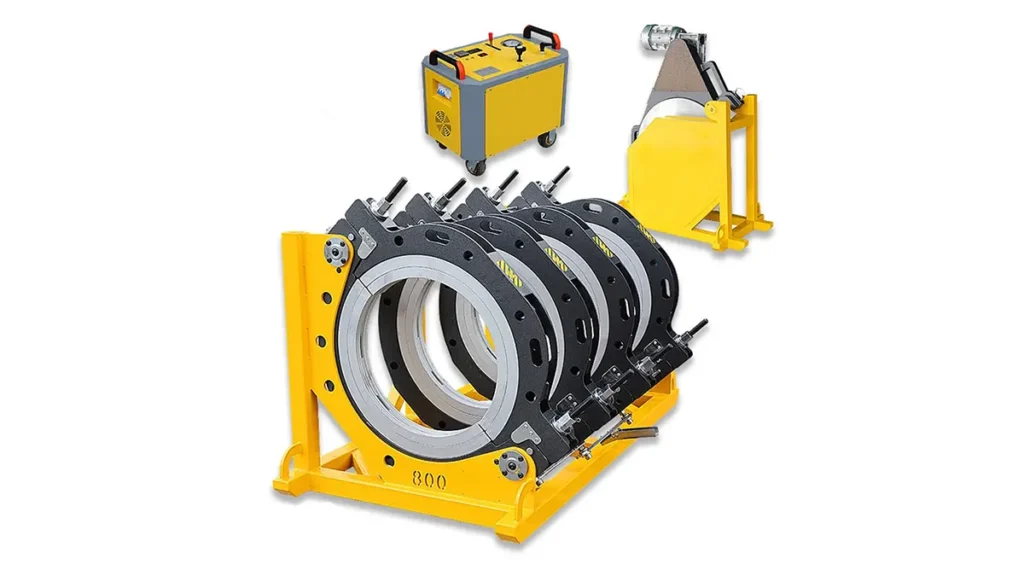
Polyethylene welding machines (commonly used for HDPE pipe butt fusion) are essential for reliable pipeline installation in water, gas, mining and industrial projects. This guide explains how to operate a polyethylene welder safely and effectively, with practical setup steps, safety checks, parameter guidance, and maintenance tips to ensure strong, leak-free joints.
Quick Overview: Types of Polyethylene Welding Machines
Manual butt fusion: Hand-operated clamps and hydraulic pumps for small to medium pipes; ideal for remote sites.
Hydraulic butt fusion: Higher clamping force and consistent pressure for medium to large diameters.
Automatic/CNC butt fusion: Programmable heating and controlled cycles for high-volume or precision requirements.
Key components to know
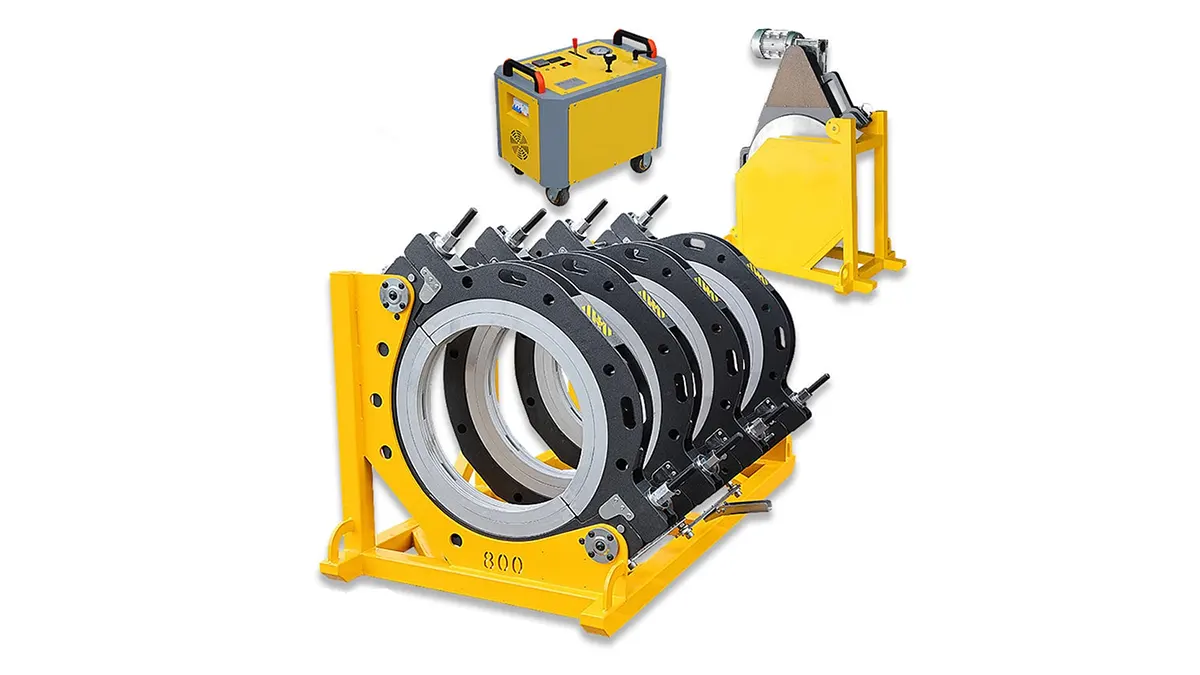
Heating plate, facing (trimmer) unit, clamps/carriage, hydraulic pump or control station, alignment tools, and a pressure gauge. Familiarize yourself with each before starting — correct part function is critical to joint quality.
Safety Checklist Before You Weld
Inspection: Check machine frame, clamps, and hydraulic lines for damage or leaks.
PPE: Safety glasses, heat-resistant gloves, steel-toe boots, and hearing protection if needed.
Work area: Stable, level ground, clear of tripping hazards and flammable materials.
Power & fuel: Confirm safe electrical connections and that any fuel or batteries are secure.
Environmental considerations
Welding outdoors? Shield the heating plate from strong winds and rain. In cold climates protect equipment and maintain recommended preheat and fusion times — low ambient temperatures lengthen heating and cooling cycles.
Step-by-Step Operation (Butt Fusion Process)
Step 1 — Clean & align: Remove dirt, moisture and burrs from pipe ends. Use alignment tools to center pipes in the clamps.
Step 2 — Face the pipe ends: Use the facing tool to trim until surfaces are flat and parallel. Do not use a damaged facer.
Step 3 — Heat-up: Position the heating plate between the pipe ends and apply specified heating pressure. Start the timer and follow manufacturer heating times for pipe material and diameter.
Step 4 — Remove heater & join: Withdraw the heating plate, rapidly bring pipe ends together under controlled fusion pressure. Hold until initial cooling phase is complete.
Step 5 — Cooling: Maintain the specified cooling time with steady pressure. Disturbing the joint while cooling causes weak welds and misalignment.
Recommended Welding Parameters (Reference Table)
| Pipe OD (mm) | Heating Temp (°C) | Heating Time (s) | Fusion Pressure (bar) | Cooling Time (min) |
|---|---|---|---|---|
| 63 | 200 | 30–60 | 1.5–2.0 | 3–5 |
| 160 | 200 | 120–240 | 3.0–5.0 | 10–20 |
| 315 | 200 | 300–600 | 6.0–8.0 | 30–45 |
Note: Table values are typical reference ranges for common HDPE grades. Always follow material supplier and machine manufacturer specifications for exact parameters.
Common Troubleshooting
Cold joint (poor fusion): Causes — insufficient heating time, low heater temperature, contamination. Remedy — re-trim and re-fuse with corrected parameters.
Flash too much or asymmetric: Causes — misalignment or uneven pressure. Remedy — check clamps and alignment; adjust pressure balance.
Hydraulic pressure drops: Causes — leaks or pump faults. Remedy — inspect hoses, seals, and reservoir; repair before next weld.
Routine Maintenance Tips
Wipe heating plates clean with a lint-free cloth and alcohol after cool-down. Inspect facing blades and replace when dull. Keep hydraulic oil within recommended level and change at specified intervals. Store machines in dry, shaded locations and protect electronic controls from moisture.
Spare parts & calibration
Maintain spare heating elements, facer blades, seals and filters on-site to reduce downtime. Calibrate pressure gauges and control units annually or per local code requirements for critical infrastructure work.
Choosing the Right Machine for Your Project
Match machine capacity to the pipe diameter range of your project. For larger diameter municipal pipelines, hydraulic or CNC automatic butt fusion machines are preferred for consistency and throughput. For small service lines or repair work, a portable manual unit may be sufficient.
Manufacturer note
JQ-Fusion offers a wide selection of manual, hydraulic and automatic butt fusion machines and supports custom solutions to match project requirements: https://jq-fusionwelding.com/
Final Best Practices
Document each weld: date, operator, pipe material, OD, wall thickness, heating and fusion times, pressures and cooling time. Proper records support quality assurance and troubleshooting. Invest in operator training and periodic refresher courses to keep weld quality consistent and safe.



